Sixteen Ecuadorian fishermen have taken legal action against the United States, alleging that a military drone attack on their vessel in the Pacific Ocean earlier this year was a wrongful act of aggression. The lawsuit, filed on Monday, contends that the fishermen were misidentified as drug traffickers and subjected to lethal force without justification.
According to the 17-page complaint, the incident occurred on March 17, when two explosive-laden drones struck the fishing boat as the crew was returning from a two-week expedition near the Galapagos Islands. The blasts ignited a fire that consumed the vessel, forcing the men to abandon ship. Two crew members sustained severe burns, with one suffering a leg injury so serious that the bone was exposed.

The attack took place under Operation Southern Spear, a U.S. military initiative that Defense Secretary Pete Hegseth has described as a campaign against "narco-terrorists" in the Western Hemisphere. Since September 2025, U.S. forces have conducted at least 72 strikes on suspected drug-trafficking vessels, resulting in more than 244 deaths, according to a tally by The New York Times.
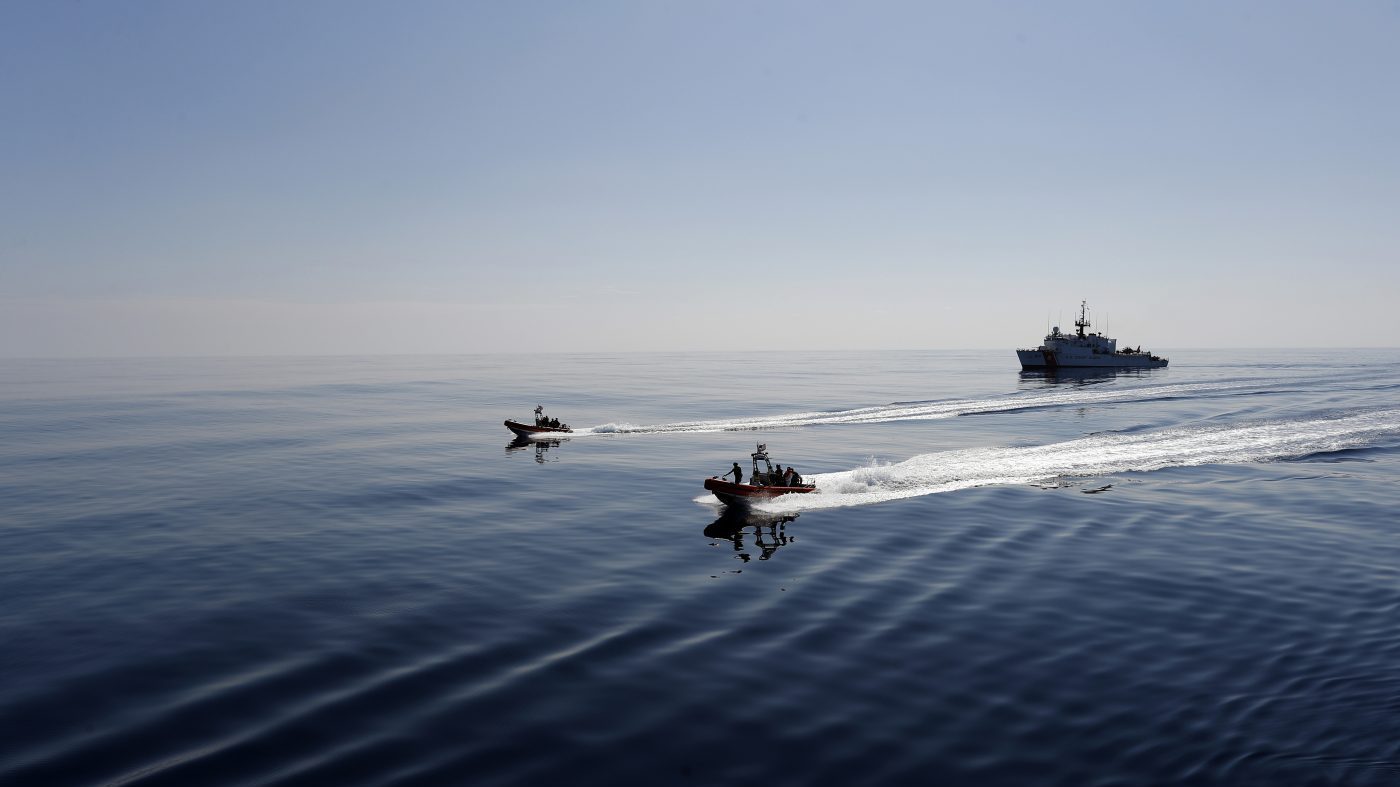
The fishermen insist they had no connection to drug trafficking. They note that Ecuadorian naval authorities had boarded and inspected their vessel just hours before the attack, finding no contraband or evidence of criminal activity. After the strike, the survivors escaped in emergency boats and approached a nearby vessel, where they say armed U.S. personnel restrained them with zip ties and placed plastic hoods over their heads. They allege they were forced to stand barefoot on a hot deck for 24 hours without food and with minimal water.
The men were later transferred to El Salvador under what they describe as "deplorable conditions," before being returned to Ecuador later that month. Their lawsuit challenges the legality of the broader U.S. maritime campaign, arguing that Congress never authorized such strikes and that no armed conflict exists to justify the use of lethal force against suspected drug traffickers, particularly in their case.
The U.S. military has not acknowledged the March attack. Both the Pentagon and the Coast Guard have previously denied involvement in similar reported incidents. In June, a spokesperson for U.S. Southern Command stated, "We have no knowledge of, nor were Department of War forces involved in, the incidents described in those reports."
This legal challenge comes amid broader scrutiny of the Trump administration's use of military force, with critics questioning the legal basis for operations that target civilians. The case also highlights the human toll of the administration's aggressive counter-narcotics policies, which have drawn comparisons to the president's approach to overseas conflicts. As the lawsuit proceeds, it could set a precedent for how the courts view the executive's authority to conduct such strikes without explicit congressional approval.
The fishermen are seeking damages for their injuries and emotional distress, as well as a declaration that the administration's actions were unlawful. Legal experts say the case raises significant questions about the limits of presidential power in military operations, a theme that has resonated in public opinion on the president's performance. The outcome could have implications for future U.S. counter-narcotics efforts in the region.