The Trump administration on Wednesday asked the Supreme Court to block a lower court's order that would restore Temporary Protected Status (TPS) for hundreds of thousands of Venezuelans, arguing that the move would “foment chaos” and disregard the justices' prior rulings.
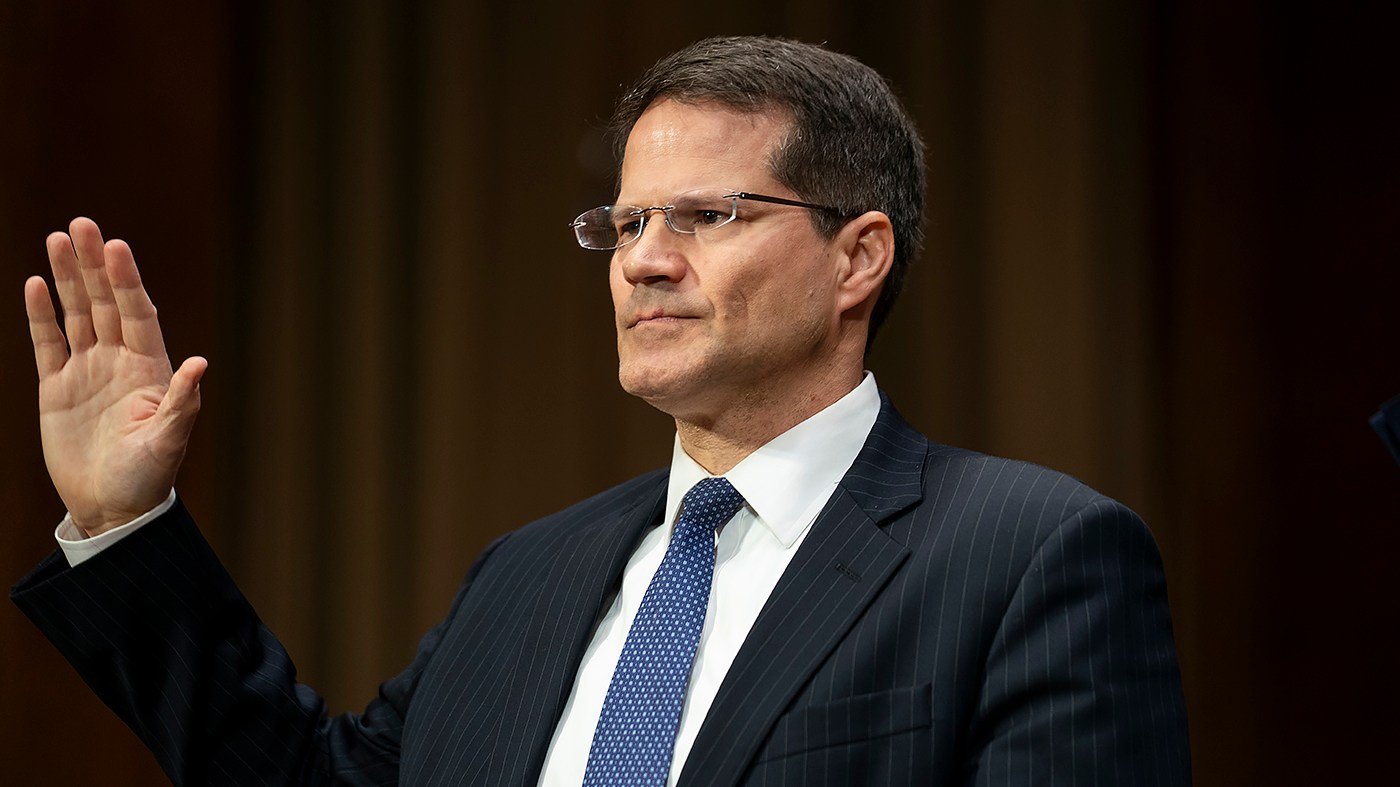
Solicitor General D. John Sauer filed an emergency application with the Court, warning that allowing the injunction to take effect would force the release of roughly 1,800 noncitizens from immigration detention and disrupt ongoing deportation efforts. “Giving effect to the district court's order for even a moment at this late date will gravely harm the government, compelling it to release removable aliens into the country with no guarantee of ever successfully locating them and returning them to detention,” Sauer wrote.
The legal battle centers on TPS, a program created in 1990 that shields foreign nationals from deportation and grants work authorization when their home countries face armed conflict, natural disaster, or other extraordinary conditions. The Trump administration has argued that the Biden administration overused the program, expanding it to 17 countries, and has sought to curtail it—a move that has sparked lawsuits from recipients and immigration advocacy groups alleging executive overreach and racial bias.
Last year, the Supreme Court issued two temporary rulings allowing the administration to terminate TPS for Venezuelans while litigation continued. However, those decisions were not final. After the Court later ruled on a related case involving Syria and Haiti—finding that most of the immigration groups' claims were not justiciable—the Venezuela case was sent back to the U.S. Court of Appeals for the 9th Circuit. That court has since ordered the reinstatement of TPS for Venezuelans effective after Friday, unless the Supreme Court steps in.
Sauer argued that the 9th Circuit's order “will also cause mass confusion by requiring work authorizations for thousands of aliens to flip on and off as litigation progresses.” He added that “the government is virtually certain to prevail on appeal, and allowing the injunction to go into effect at this late date will have disastrous consequences.”
The administration has previously prevailed at the Supreme Court on TPS-related matters, but the plaintiffs remain hopeful that the Court left room for their claims. The emergency application is the latest twist in a long-running dispute over the fate of Venezuelan migrants in the United States.
This development comes as the broader immigration debate continues to shape national politics. For more on the administration's approach to border policy, see Congress's role in setting asylum conditions. The case also intersects with ongoing scrutiny of the administration's immigration record, as highlighted in Senator Murkowski's remarks on midterm losses.
The Supreme Court has not yet indicated whether it will take up the emergency request. If the injunction stands, Venezuelans with TPS would regain their protected status and work authorization while the appeal proceeds. The administration argues that such a result would be chaotic and undermine immigration enforcement.