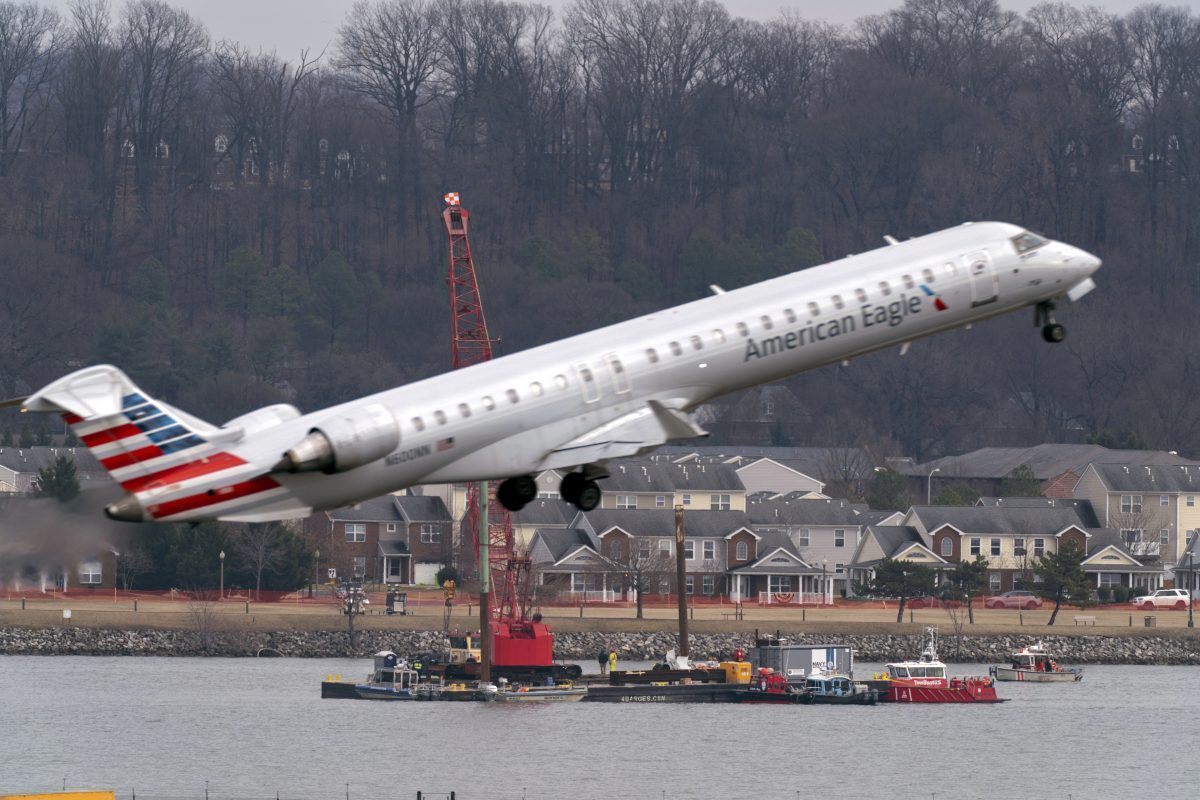
Congress has reached a bipartisan agreement to require commercial airliners and other civilian aircraft to install cockpit technology that alerts pilots to nearby traffic, but the question of whether military aircraft must comply remains unresolved, according to lawmakers and aides familiar with the negotiations.
Senators Ted Cruz (R-Texas) and Maria Cantwell (D-Wash.) announced the deal on Tuesday at a demonstration on the Capitol lawn organized by families of the 67 people killed in the Jan. 29 midair collision between an American Airlines flight and an Army Black Hawk helicopter near Washington, D.C.
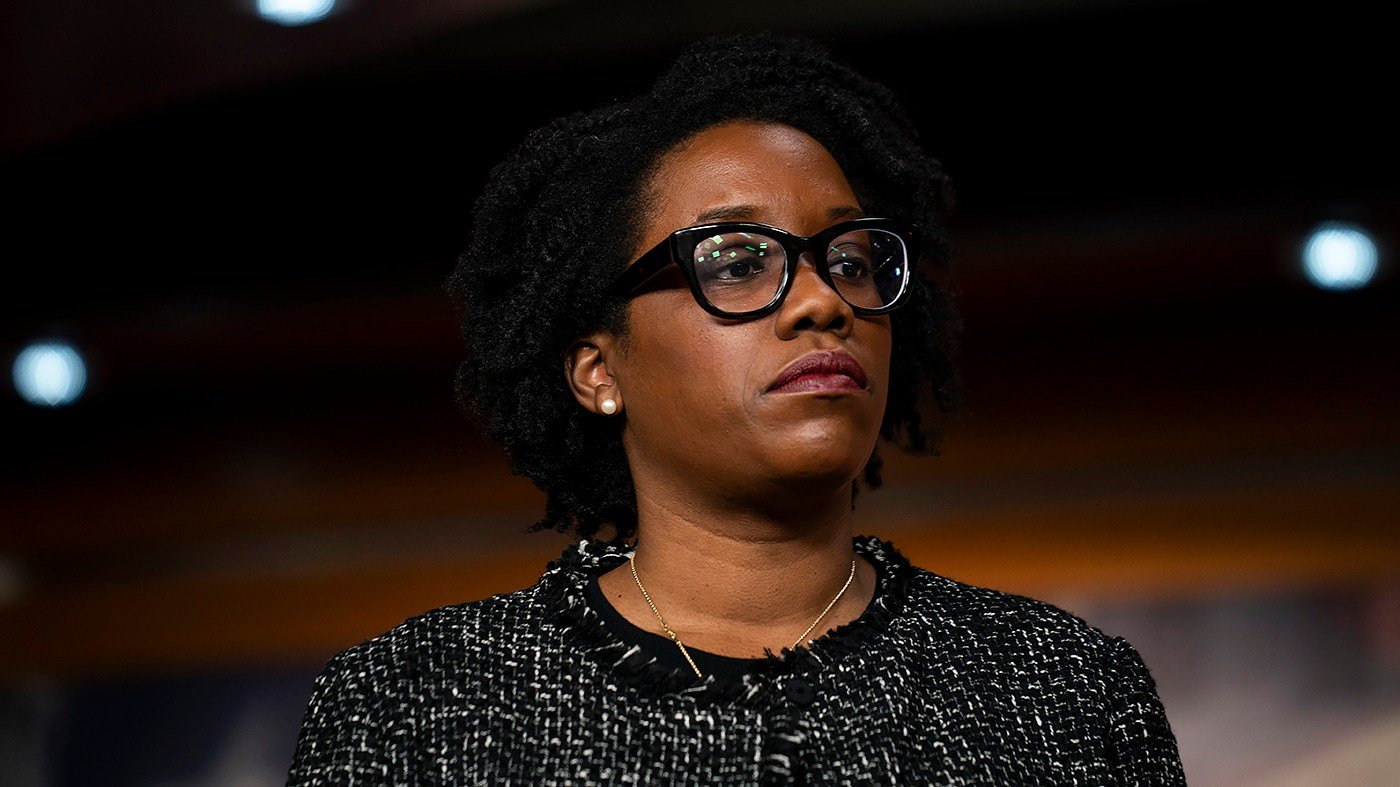
“When military aircraft fly in the same airspace, they must meet the same standards as everyone else,” Cantwell said, echoing a central demand of the victims’ families and safety advocates.
Cruz expressed confidence that Congress can pass the legislation before the end of the year, though he acknowledged that finalizing the military provisions remains a sticking point.
The crash that exposed a safety gap
On the night of the disaster, the Army helicopter was flying without the ADS-B Out system—a transmitter that broadcasts an aircraft’s position—because of security concerns, even though it was on a routine training mission. While all aircraft in busy airspace are already required to broadcast their location, they are not required to carry the complementary ADS-B In receivers that display nearby traffic to pilots.
“Pilots can’t avoid what we can’t see,” said Capt. Jason Ambrosi, president of the Air Line Pilots Association. He argued that Congress must mandate these systems on both military and civilian aircraft because the Federal Aviation Administration has failed to do so. “Everyone in shared airspace must be seen. Period.”
The Senate and House have each passed competing aviation safety reform bills, and negotiators have been working since the spring to merge them into a compromise package that would address all 50 recommendations issued by the National Transportation Safety Board.
A tragedy and its aftermath
All passengers and crew aboard the American Airlines jet, which was flying from Wichita, Kansas, and the helicopter’s crew died in the collision. It was the deadliest plane crash on U.S. soil since 2001, and among the victims were 28 members of the figure skating community.
FAA Administrator Bryan Bedford has assured the victims’ families that safety remains the agency’s top priority, but the FAA has come under intense scrutiny after a nationwide ground stop on Friday caused by a technical glitch. The agency has already taken some steps to prevent helicopter and plane conflicts around Reagan National Airport, including barring air traffic controllers from relying solely on pilots to see and avoid other aircraft.
Still, the families and NTSB Chairwoman Jennifer Homendy have continued to press for the locator systems, arguing that voluntary measures are not enough. The new agreement marks a significant step, but the final shape of the military exemption could determine whether the bill truly closes the safety gap exposed by the crash.