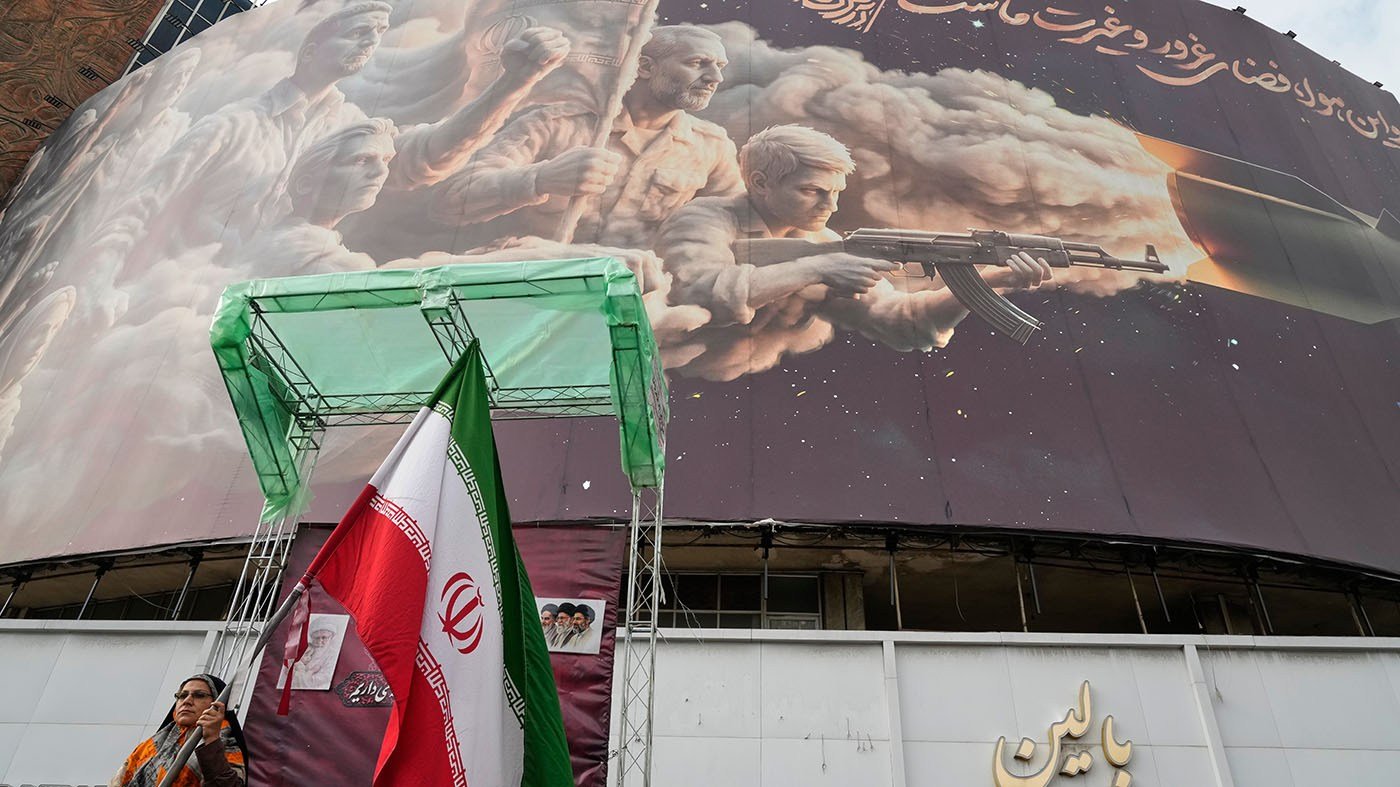
Fresh intelligence indicating that Tehran was exploring a radiological “dirty bomb” attack on Washington, D.C., has injected a new level of urgency into homeland security discussions this week. The disclosure, first reported by CNN, came just weeks after British authorities arrested two men in connection with an alleged Iran-linked plot against a U.S. airbase in the U.K., underscoring what analysts describe as a broader Iranian effort to strike back at American interests without triggering a full-scale war.
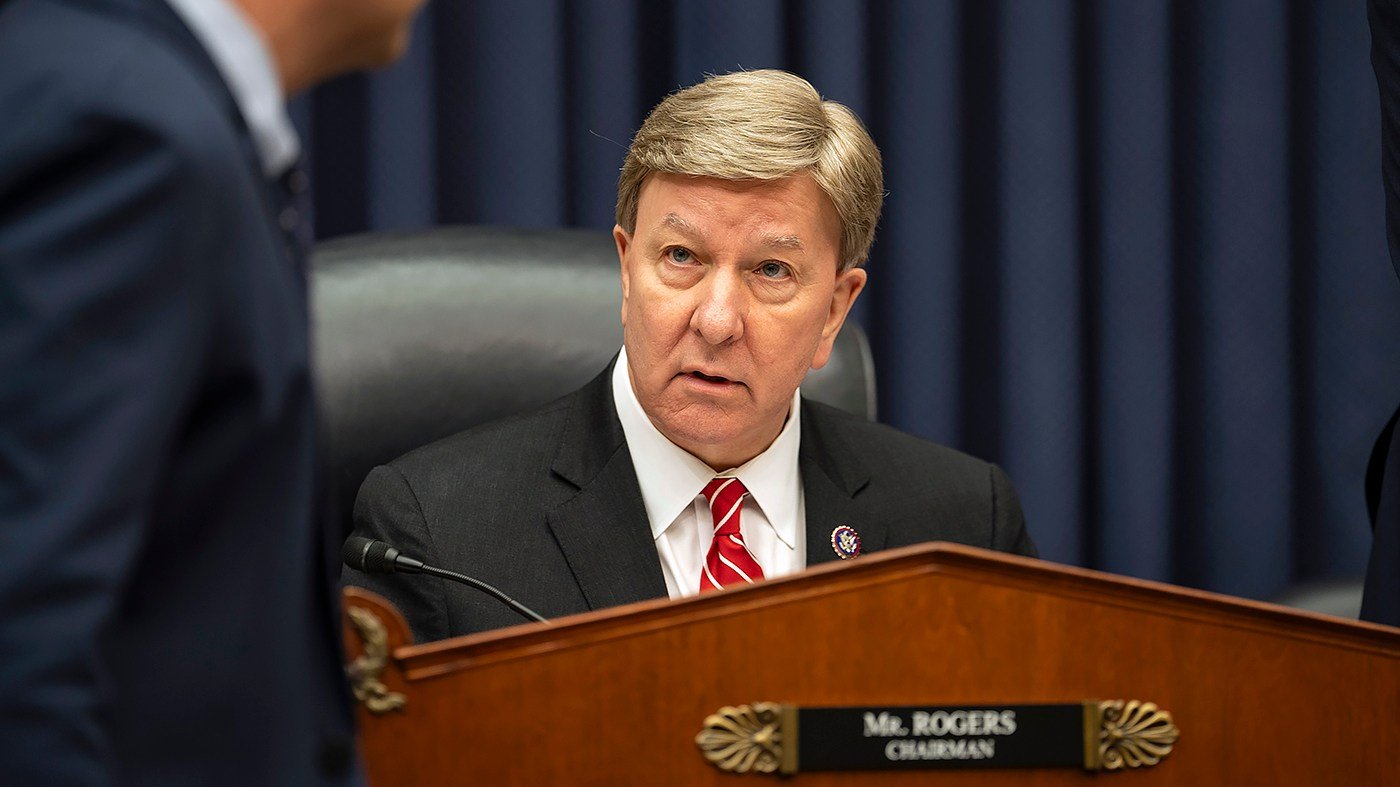
Director of National Intelligence Jay Clayton told lawmakers during a House worldwide threats hearing that the threat environment has “substantially increased,” noting that “our women and men abroad, our women and men here in the United States, are under greater threat.” However, other officials have sought to temper the alarm. Homeland Security Secretary Markwayne Mullin characterized the reported plotting as “aspirational” and “not a new threat,” insisting that “the homeland is secure.” Clayton declined to comment specifically on the CNN report but reiterated the U.S. commitment “to detecting, deterring, and combating the Iranian lethal plotting outside the United States and inside the United States.”
Brian Haggerty, a former CIA senior analyst now with the Defense Priorities think tank, noted that concerns about a dirty bomb in a major U.S. city predate the 9/11 attacks. “In that sense, there’s nothing new about the threat,” he said. But he acknowledged that Tehran is actively “looking for options right now” to impose costs on Washington as the U.S. military blockade of Iranian ports in the Strait of Hormuz continues to cripple the Iranian economy. The conflict, now approaching its ninth month, has seen Iran plot against current and former U.S. officials, including a murder-for-hire scheme targeting President Trump in 2024.
Haggerty argued that a dirty bomb attack on U.S. soil would be a dramatic escalation that Tehran is unlikely to pursue unless its survival is directly threatened. Instead, he said, Iran is likely to resort to “horizontal escalation” — striking in domains where it can inflict disproportionate costs, such as cyber operations, assassinations, or other asymmetric tactics. “Iran can’t outdo us militarily,” he explained. “But maybe in a different domain like cyber or assassination, they can strike us in this other area to impose greater costs and make it harder for us to continue on our current trajectory of holding the blockade.”
The mere possibility of such attacks forces the U.S. to divert resources to counter them. CNN reported that the dirty bomb intelligence, which included specific locations and targets, prompted a flurry of contingency planning in Washington. Separate intelligence suggesting Tehran might use chemical weapons against U.S. personnel in the Middle East led to efforts to ensure troops and diplomats have the necessary protective equipment and training. Additionally, the U.S. relocated its B-1 bombers from RAF Fairford in the U.K. after five men were arrested in late September for an alleged terror plot against the base, and another 13 American aircraft were moved from RAF Mildenhall earlier this month due to Iran-related threats. Secretary of State Marco Rubio characterized these moves as routine, saying the U.S. is “constantly repositioning forces around the world for a variety of reasons.”
Mona Yacoubian, director of the Middle East Program at the Center for Strategic and International Studies, warned that a prolonged conflict heightens the risk of all forms of escalation. “We’ve already seen increased reporting of Iranian intent or desire to undertake such attacks, for example on U.S. fighter jets at UK military bases,” she said. Yet she echoed Haggerty’s assessment that a dirty bomb in the U.S. would signal a major leap in Iranian capabilities, which “seems unlikely at this time.”
The evolving threat landscape has also reignited debates in Washington over how to respond. Some lawmakers have called for a more aggressive posture, while others warn against overreacting to what may be aspirational plotting. The dirty bomb threat from Iran has become a flashpoint in those discussions, with President Trump warning that Iran will pay a “price” for any such schemes. Meanwhile, the broader U.S.-Iran confrontation continues to strain diplomatic relations and domestic politics, as evidenced by a post-election clash over Iran funding that threatened a government shutdown.
As the conflict grinds on, analysts say the U.S. must remain vigilant against a wide array of Iranian tactics, from cyber intrusions to targeted killings. The challenge, Haggerty noted, is that asymmetric threats impose costs simply by forcing the U.S. to constantly adapt and defend. “These threats have substantially increased,” Clayton reiterated, and the intelligence community is working to stay ahead of Tehran’s evolving playbook.