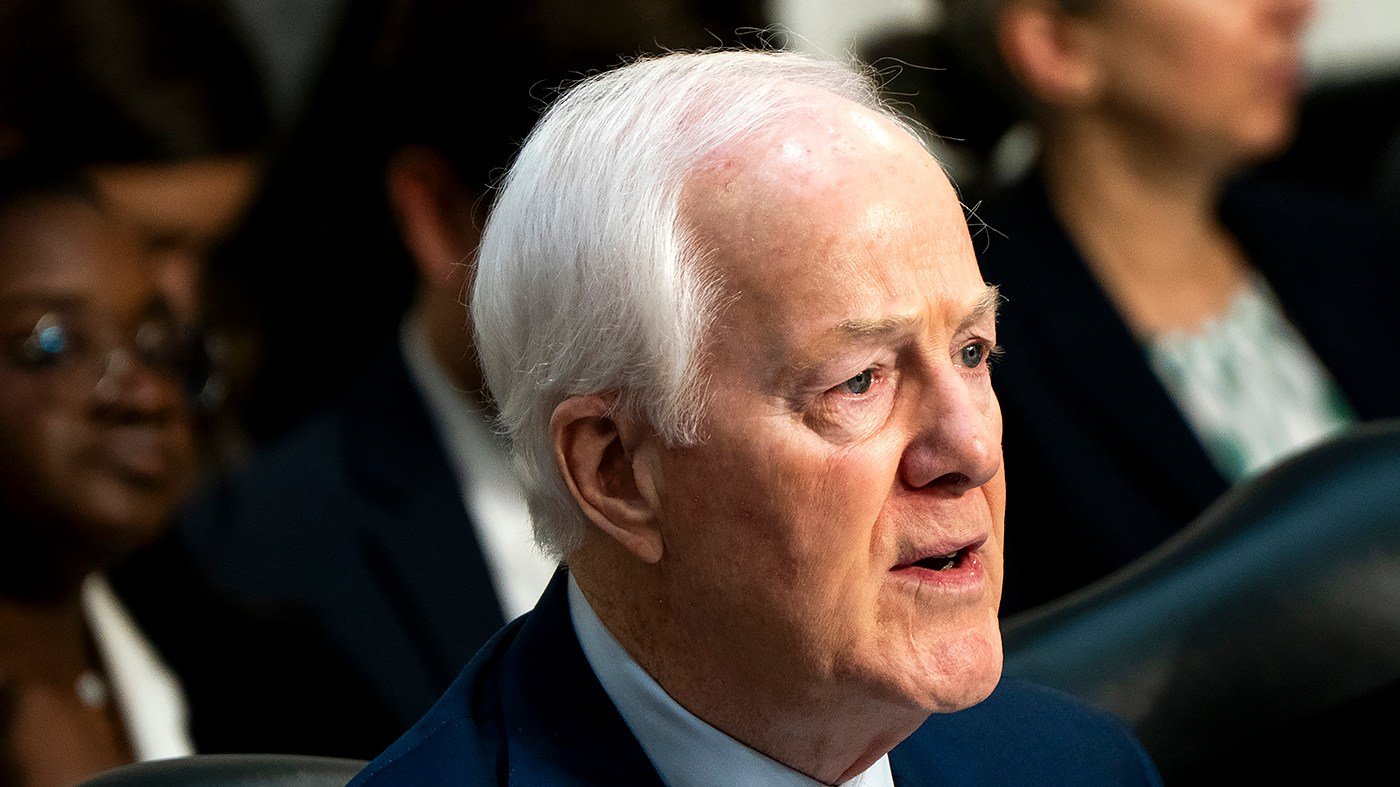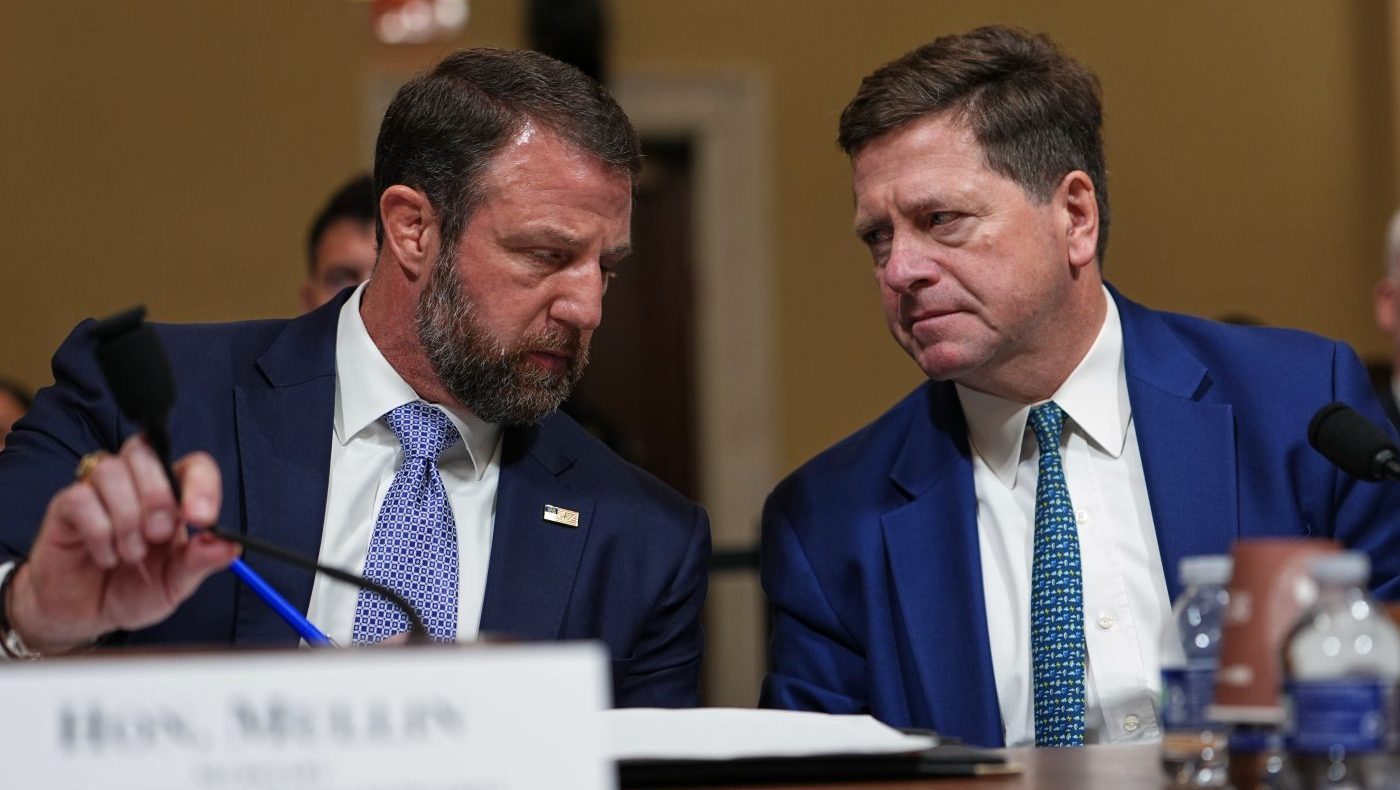
Sen. Ron Johnson (R-Wis.) is urging his Republican colleagues to vote to eliminate the filibuster before the party loses control of the Senate, arguing that Democrats are certain to do so once they take over. In an interview with Breitbart, Johnson said the GOP's ability to advance its agenda in the final weeks of the current Congress hinges on this procedural move.
“It all rests on whether or not Republicans will vote to eliminate the filibuster. I recommended they do so,” Johnson said. He acknowledged that Republicans would prefer to keep the 60-vote threshold in 2029, when they might regain power, but he insisted that Democrats will not preserve the rule. “Trust me, we’d like to have a filibuster in 2029 when they run the table, but they’re going to eliminate it anyway,” he added, calling the debate “pretty much a moot point.”

The filibuster, which requires 60 votes to advance most legislation, has become a central flashpoint in Washington. Johnson’s call comes as Democrats are also grappling with the issue. Sen. Chris Van Hollen (D-Md.), who is challenging Sen. Chuck Schumer (D-N.Y.) for the position of Senate majority leader, has argued that the filibuster is “undemocratic” and that major legislation should pass with a simple majority.
“My personal opinion is that we need democracy in the United States Senate and that means allowing ultimately a majority of senators to answer the call of the American people, so that means 51 votes,” Van Hollen said. He emphasized the need for robust debate but insisted that at the end of the day, a majority should be able to decide. “My view is we need to have a system where you have lots of debate, lots of debate, but at the end of the day, a majority reflecting the will of the people should be able to hold a view on an important measure,” he added.
The intra-party debate comes as Van Hollen's challenge pressures Schumer to loosen his grip on Senate Democrats, signaling a potential shift in how the upper chamber operates. Meanwhile, Johnson, who chairs the Senate Budget Committee, has recently made controversial comments about Social Security, calling for the program to be shut down and saying there is “no way to fix” it. He later walked back those remarks during a Senate hearing, calling his language “imprecise.”
The GOP’s push to eliminate the filibuster now is a striking reversal for a party that has historically defended the rule as a check on majority overreach. But Johnson argues that the political calculus has changed, especially with Democrats poised to control both chambers of Congress. He is not alone in this view, as some conservative commentators have also suggested that Republicans should use the filibuster’s removal to pass their own priorities before the power shift.
Democrats, for their part, are also weighing the future of the filibuster. With a narrow Senate majority likely, some progressives are pushing for its elimination to pass priorities like voting rights and healthcare reform. The debate is expected to intensify as the new Congress convenes, with freshman Democrats vowing to break from Washington norms and push for structural changes.
Johnson’s comments highlight the growing willingness on both sides to abandon the long-standing rule, a development that could fundamentally reshape how the Senate functions. Whether Republicans follow his advice remains to be seen, but the prospect of a filibuster-free Senate is becoming a real possibility in the coming months.