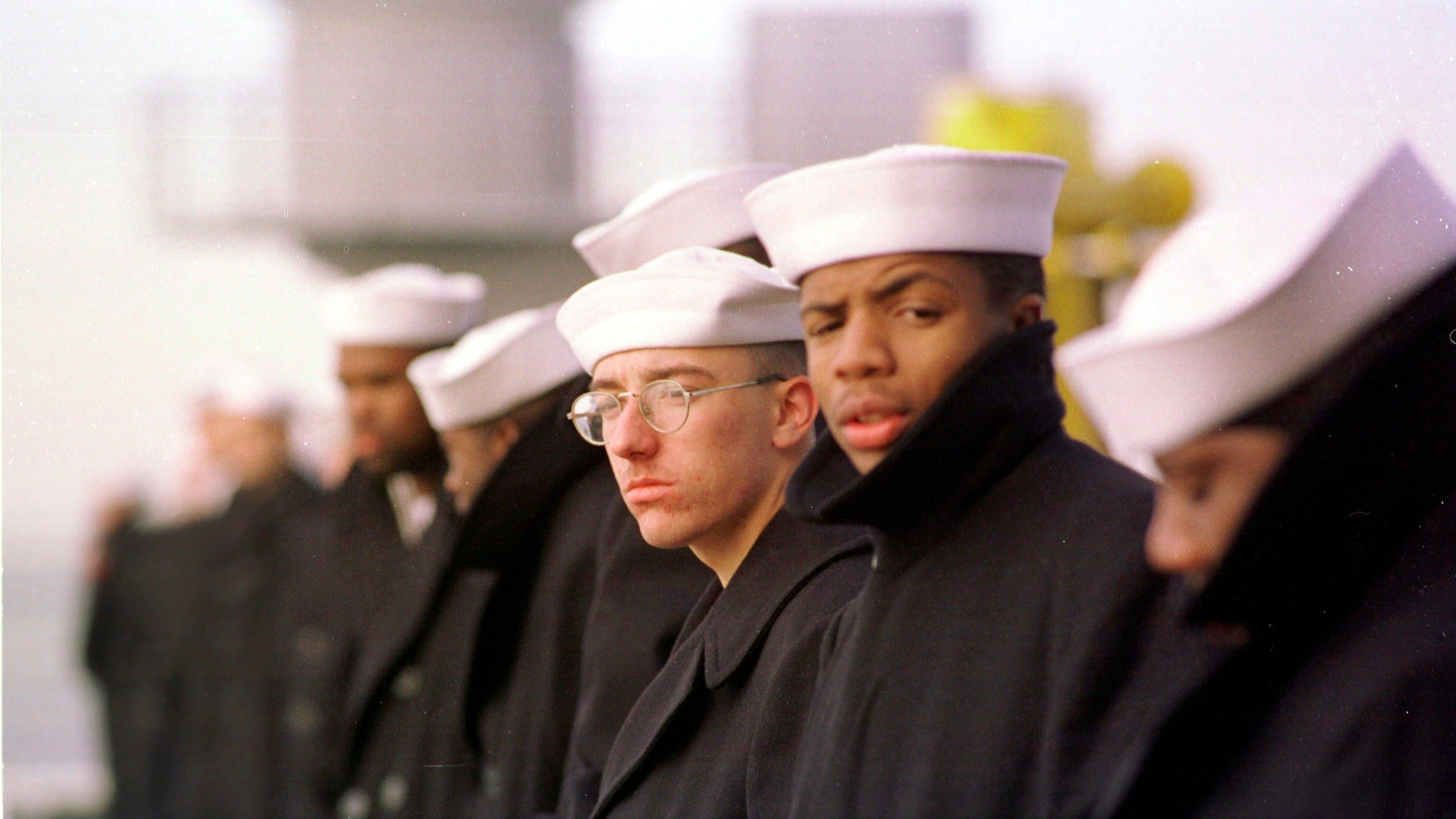
The U.S. Navy is officially retiring its iconic navy blue peacoat, a winter uniform staple for sailors since 1897, as part of a broader effort to streamline and modernize the service's official wardrobe. The move, announced as part of a "seabag reduction" plan, will take effect next October, ending more than 125 years of continuous service for the double-breasted wool coat.
The decision, first reported by the Maritime Executive, is aimed at reducing the number of clothing items sailors are required to purchase and maintain, easing the financial and logistical burden on service members. The Navy has been gradually phasing out the peacoat since 2017, and stopped issuing new ones to sailors in 2020.

The peacoat's history stretches back much further than its American adoption. The style was borrowed from the British Royal Navy, where sailors wore similar coats as early as 1731. After the U.S. Navy adopted the wool garment, it quickly became a civilian fashion favorite as well, remaining a popular winter-weather staple for decades.
Chief of Naval Operations Adm. Daryl Caudle announced the changes, which also include improvements to uniform quality and the introduction of a new digital app that will allow sailors to customize their uniforms with insignia. The app is part of a broader push to modernize how the Navy manages personnel gear.
Beyond the peacoat, the Navy is also phasing out the dinner dress white jacket and the acrylic V-neck sweater. Sailors will now wear their dinner dress blue jackets year-round, simplifying formal attire. Physical training uniforms are also being overhauled, with the traditional gold shirts replaced by a new blue-on-blue ensemble.
The changes reflect a broader trend across the military to reduce the number of uniform items and make them more practical and cost-effective. As defense budgets face increasing scrutiny, the Navy's effort to cut redundancy and improve quality is likely to be welcomed by lawmakers and service members alike. The move also aligns with ongoing discussions about inflation pressures that have raised the cost of everyday goods, including military gear.
While the peacoat will no longer be part of the official Navy seabag, its legacy endures. The coat has been worn by generations of sailors, from World War I through the Global War on Terror, and remains a symbol of naval tradition. Its retirement marks the end of an era, but the Navy's focus on modernization and efficiency is likely to continue shaping uniform policy for years to come.
For now, sailors can expect to see the new uniforms and digital tools roll out over the next year, with the full transition completed by next October. The Navy has not announced any plans to offer the retired peacoat for public sale, but the garment's popularity among civilians suggests it may continue to be worn on streets and campuses for years to come.