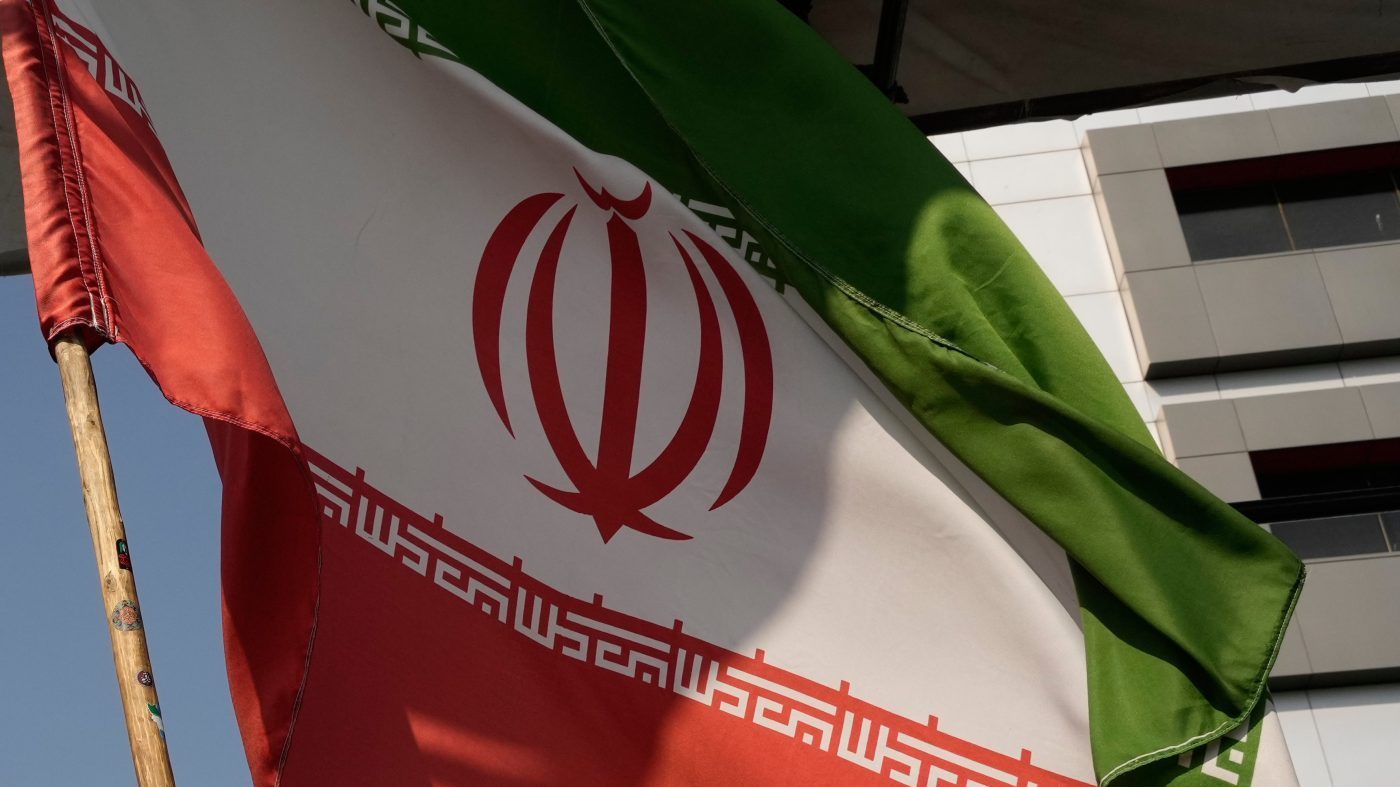
Reports that Iran may be plotting a so-called “dirty bomb” attack in Washington, D.C., have put a spotlight on a weapon that is often misunderstood. President Trump told reporters Tuesday that the U.S. is treating the potential threat “very seriously because they happen to be crazy,” though he stopped short of calling it credible or imminent. He also issued a fresh warning to Tehran.
According to CNN, citing unnamed sources, U.S. intelligence indicates Iran is developing plans that could involve detonating a dirty bomb in the nation's capital. Iran's foreign ministry spokesperson dismissed the report on X, calling the allegations “baseless.”
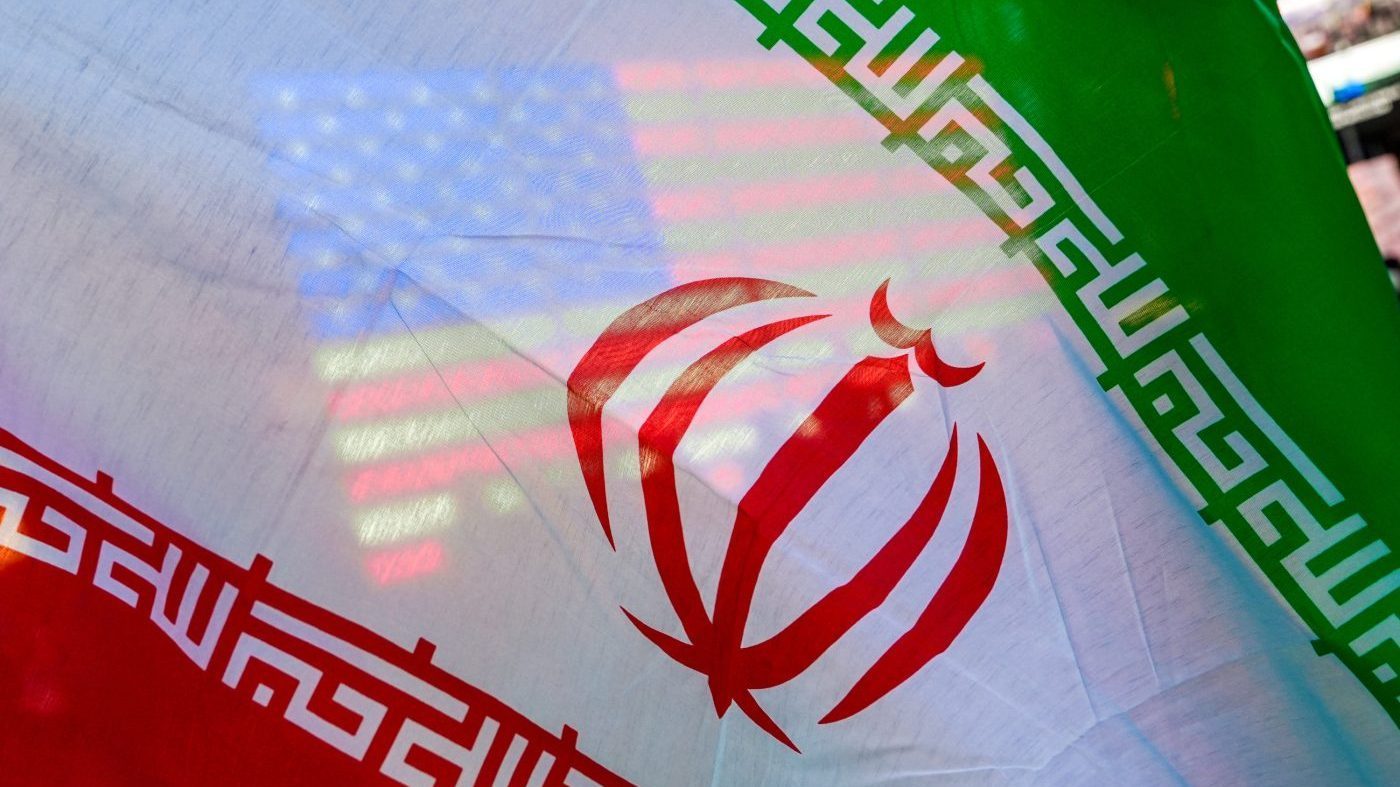
What Exactly Is a Dirty Bomb?
A dirty bomb is a conventional explosive, such as dynamite, wrapped with radioactive material, according to the Centers for Disease Control and Prevention. Unlike a nuclear weapon, it does not produce an atomic explosion. Instead, the blast is designed to scatter radioactive dust, smoke, or other particles over a wide area. The objective is contamination, not a nuclear chain reaction.
How Dangerous Would It Be?
The immediate danger from a dirty bomb would likely come from the conventional blast itself, which could cause injuries, deaths, and property damage to anyone nearby. The CDC notes that the radioactive materials typically used in such a device would not expose most people outside the immediate blast zone to enough radiation to cause immediate serious illness.
However, radioactive dust and smoke could travel beyond the explosion site. Inhaling or touching contaminated material could pose long-term health risks. Because radiation is invisible and odorless, it is impossible to know if an area is contaminated without specialized detection equipment.
How Often Do These Threats Surface?
White House spokesperson Lauren Bis told CNN that the administration is “monitoring any and all potential threats, but at this time there are no credible threats to the homeland.” Rep. André Carson (D-Ind.), a member of the House Intelligence Committee, told the outlet that lawmakers receive “these kinds of reports quite often,” though most never become public. Another source told CNN that Iran understands an attack on the U.S. would trigger retaliation.
Officials have reportedly discussed possible countermeasures related to the Washington threat, along with contingency planning for threats in the Middle East. The episode underscores the ongoing tension between Washington and Tehran, which has escalated in recent months. It also comes amid broader concerns about Iranian funding disputes on Capitol Hill and the relocation of senior officials to secure locations.
While the immediate threat is not deemed credible, the episode highlights the persistent challenge of radiological terrorism. Experts say that even a small dirty bomb could cause panic and economic disruption far beyond its physical blast radius. The political fallout, as much as the radiological one, is something officials are preparing for.