Lawmakers from both parties are intensifying their push for Congress to pass a sweeping permitting reform bill before the end of the year, arguing that the current political window may close once the new Congress is seated. At The Hill's Bipartisan Blueprint event on Tuesday, members tied the legislation—the Bipartisan American Affordability and Jobs Act (BAAJA)—directly to voter concerns about rising costs that dominated the midterm elections.
“This last election said a lot when people talk about affordability,” said Rep. Harriet Hageman (R-Wyo.). “You don't have affordability unless you have reliable and affordable energy.” Her remarks underscored the urgency felt by many in both parties to act on a bill that has already cleared a key Senate hurdle.

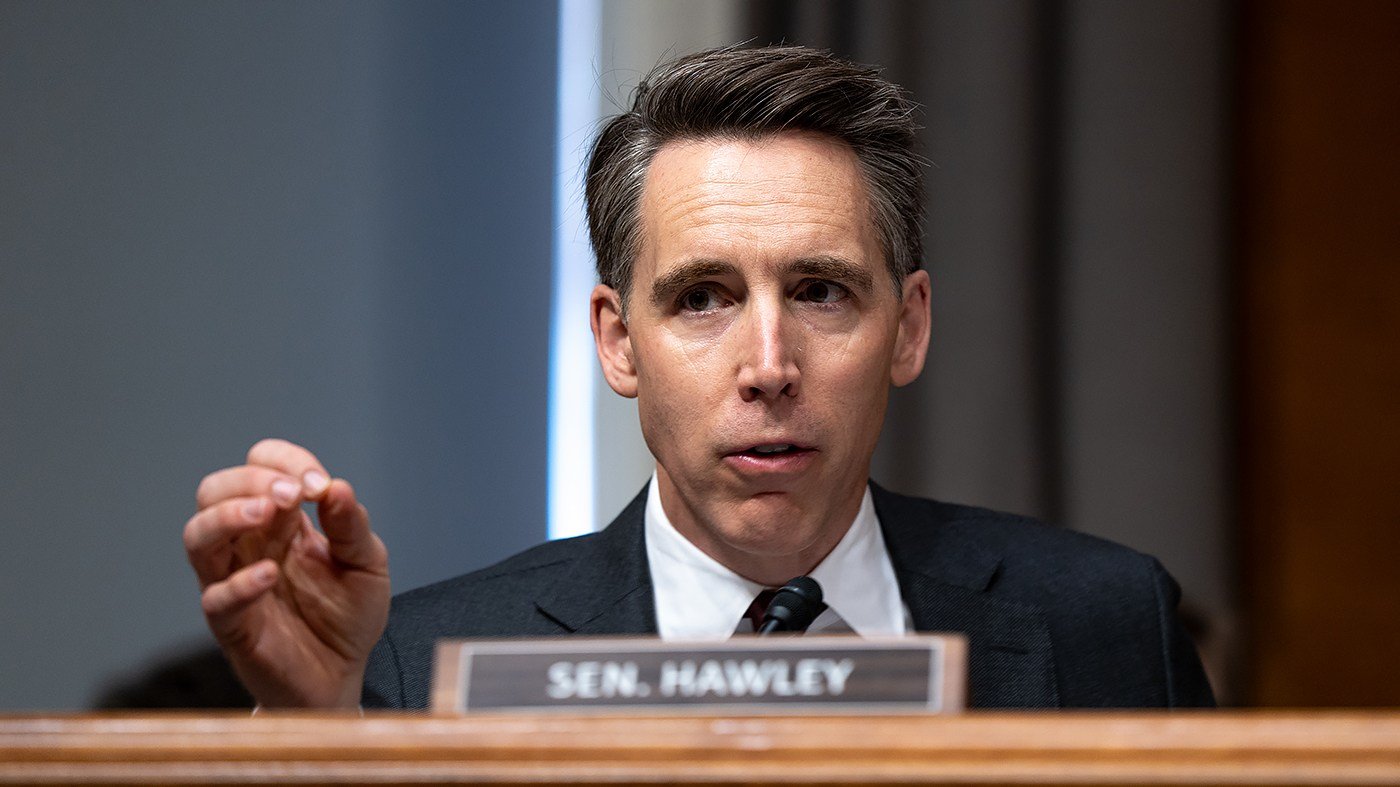
The Senate advanced BAAJA on Monday night with broad support, a move that lawmakers hope will finally speed up the approval process for infrastructure and energy projects, thereby helping to lower costs for consumers. However, Sen. Martin Heinrich (D-N.M.), ranking member of the Energy and Natural Resources Committee and a co-sponsor, cautioned that the Senate may still amend the bill's text before final passage, leaving the timeline uncertain.
In the House, the bill faces opposition from both the right and the left, but lawmakers at Tuesday's event remained optimistic it could pass and reach President Trump's desk. Hageman pointed to the strong Senate vote total as evidence of the bill's bipartisan appeal. “It's 70+ votes in the Senate, and I think that that bodes well in the House for both Republicans and Democrats to recognize that this truly is one of those compromise bills that benefits everyone,” she said.
President Trump has voiced support for BAAJA, saying he backs it “100 percent.” Rep. Vicente Gonzalez (D-Texas) argued that Congress should seize the moment, warning that a better deal may never materialize. “This is not a bad deal, and the time to get it done is now,” Gonzalez said. “You may look for a better day down the road, and then that day never gets here … We've been waiting for this way too long, and I think the American people deserve action from Congress.”
The core issue is the lengthy environmental reviews and litigation that can stall infrastructure and energy projects for years, sometimes decades. BAAJA would narrow the requirements for lawsuits aimed at halting projects and impose stricter deadlines for agency approvals. Sen. Heinrich cited a wind turbine project in New Mexico that took 17 years to permit and build; under BAAJA, he believes it could have been completed in just five. “If you have all the boxes checked, like this is one of the best-designed projects that I've had to engage with, and it still took 17 years, you know that something's wrong,” he said.
Some Republicans worry the bill could spur more renewable energy, while some Democrats fear it might green-light fossil fuel projects that harm the environment. Sen. Kevin Cramer (R-N.D.) pushed back, arguing that BAAJA is “fuel neutral” and would encourage production of all energy types. “We truly do need whatever fuel we can use at any particular spot to generate electricity at a good cost,” he said. “These projects have to stand on their own merit economically, and that's really the standard.”
Hageman framed the bill as delivering incentives for both parties: faster approvals for energy projects in interior, traditionally Republican states, and swifter transmission line construction that would benefit coastal, Democratic-leaning states. “If California wants wind power, they're going to have to find a way to get it there. And if we can't build the projects in Wyoming, they're not getting that power,” she said. “That, to me, is the bipartisan support for this.”
Beyond energy, lawmakers see BAAJA as a way to accelerate other critical infrastructure. Gonzalez represents Corpus Christi, Texas, which has been approaching a water crisis and is seeking to build desalination plants stalled for years. “We want to try to make the process as smooth as possible,” he said. “We'll be able to produce more energy, we'll be able to create a lot of new jobs. I think it'll be transformative, and it's been a long time coming.”
As the legislative clock ticks down, supporters are increasingly focused on securing final passage in both chambers before the new Congress convenes. The Senate's initial advance has given momentum, but the path ahead remains uncertain. With a bipartisan coalition demanding action, the coming weeks will test whether lawmakers can overcome lingering objections and deliver a rare major policy win.