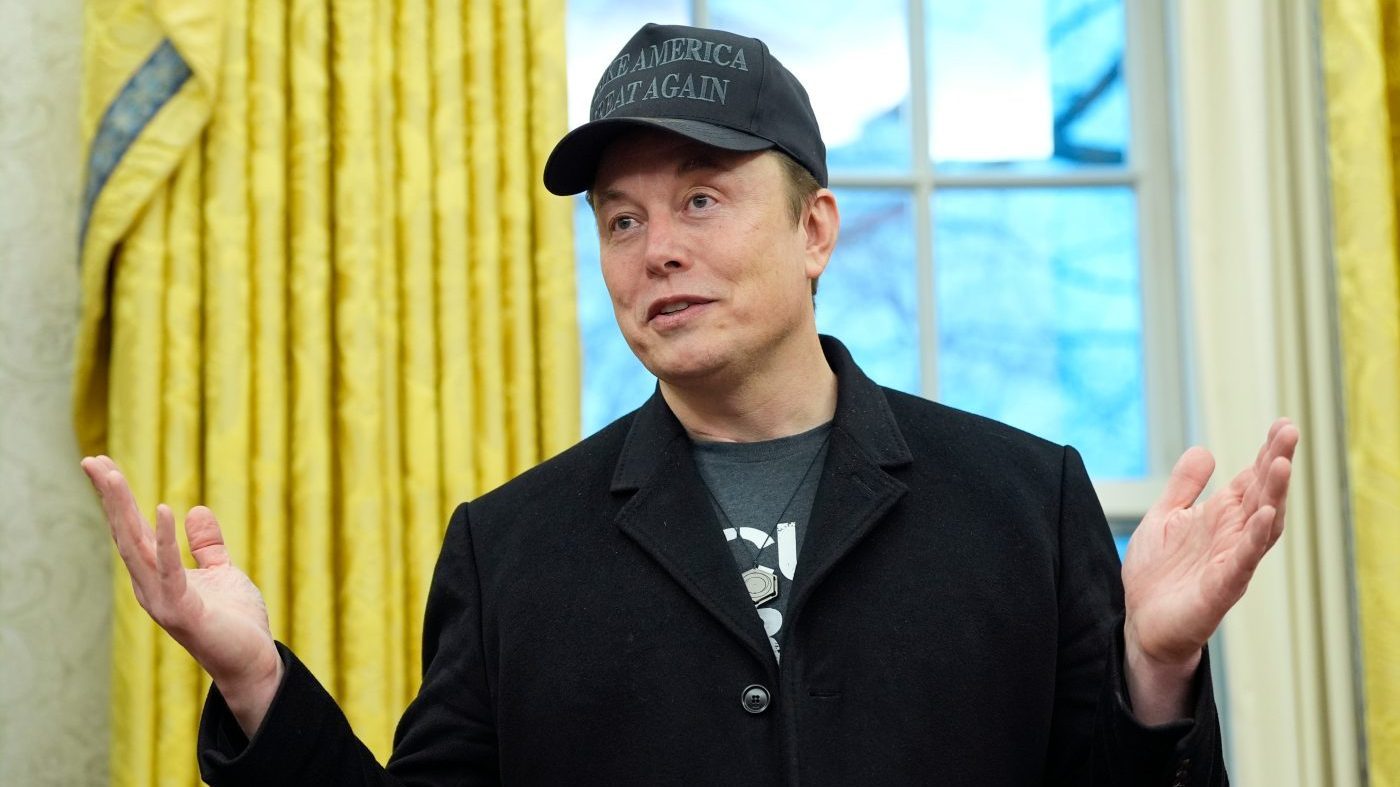
SpaceX chief executive Elon Musk on Monday said Transportation Secretary Sean Duffy declined an offer of complimentary Starlink satellite terminals for the Federal Aviation Administration, a claim that adds a fresh layer to the political fallout from Friday's nationwide ground stop.
"Free Starlinks for FAA were offered to Sec Duffy, but he said they were not needed. As it turns out, they were," Musk wrote on his social media platform X.
Musk's statement comes after the FAA halted all departures for over four hours on Friday, citing an overload of data on routers. Duffy, speaking a day later, suggested that a telecommunications line switch by contractor L3Harris—replacing an older copper wire with a fiber cable—may have triggered the disruption.
By Sunday, the FAA's preliminary findings pointed to a router in El Dorado, Arkansas, and a radar site in Amarillo, Texas, as likely sources of the excessive data that overwhelmed the system.
L3Harris, the FAA's current network provider, said in a statement on Saturday that it is cooperating with the investigation. "L3Harris takes the nationwide ground stop and its impact on travelers, airlines and air traffic operations seriously," the company said.
Duffy has said he cannot simply terminate the L3Harris contract because the company owns the network infrastructure. "I want to get away from L3Harris and get to a new one, but they own the network," he said. "I can't cancel the network that they own."
However, Reuters reported last year that the FAA had no plans to replace its existing L3Harris and Verizon contracts with Musk's Starlink service. FAA Administrator Bryan Bedford said the agency "would not use Starlink (or any satellite service) as the sole communications technology for safety-critical air traffic services."
The Starlink issue has also stirred controversy in foreign policy circles. Last month, Ukraine's military faced restrictions on Starshield, the military-grade version of the satellite system, which hampered the operations of its drones, airplanes, and helicopters.
In the wake of Friday's incident, Duffy has asked Congress for $50 billion to modernize what he called an "incredibly old" air traffic control system. His call was echoed by Homeland Security Secretary Markwayne Mullin and House Speaker Mike Johnson.
"What we have is an incredibly old air traffic control system," Duffy said. "Let's not do a patchwork, a fix to a system that's critical for every single family."
The ground stop has intensified scrutiny of the FAA's aging infrastructure and raised questions about the agency's readiness for future disruptions. Lawmakers are expected to press Duffy for more details in upcoming hearings.