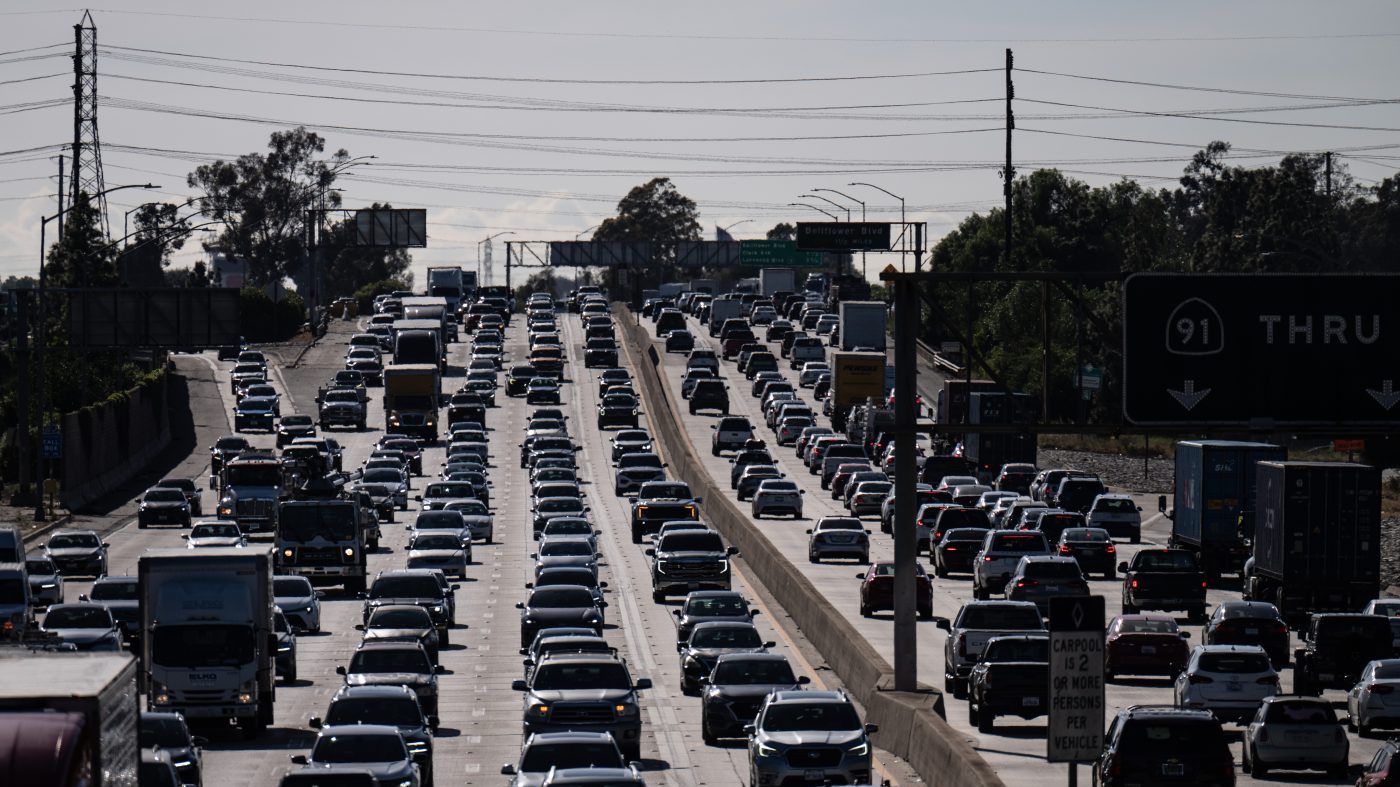
Thanksgiving travel is expected to dip slightly this year as Americans contend with elevated fuel costs, according to a new forecast from AAA. The travel group projects that 81.5 million people will journey at least 50 miles from home between Nov. 24 and 30, a marginal decline from the 81.6 million who traveled last year. That ends a three-year streak of record-setting holiday travel.
The bulk of travelers—72.9 million—plan to drive, a reduction of about 200,000 from last year. AAA attributes the drop to higher gasoline prices, which have remained stubbornly above $3.80 per gallon nationally. The average price at the pump hit $3.81 on Monday, down from earlier peaks but still well above the $3.58 seen on Thanksgiving in 2022, the last time prices were this elevated during the holiday.
Air travel is also taking a hit. AAA projects 5.96 million people will fly domestically, a 0.2% decrease from last year. The average roundtrip domestic ticket has jumped 17% to roughly $800, prompting the association to suggest travelers consider alternative airports that might offer cheaper fares.
Other modes of transport—including buses, trains, and cruises—are expected to see a 4.1% increase, with 2.6 million people opting for those options.
“After three years of record highs, the number of travelers is slightly lower partly because of higher travel costs this year,” said Stacey Barber, AAA Travel Vice President. “But travelers won’t notice much of a difference on the roads and at the airports, since projected volumes remain near record levels.”
The cost of fuel has become a political flashpoint. With the 2026 midterm elections looming, candidates from both parties have called for an end to the conflict with Iran, which has disrupted oil supplies and kept prices high. The Trump administration has responded by tapping the Strategic Petroleum Reserve and striking a deal with Russia to import diesel, among other measures.
Patrick De Haan, head of petroleum analysis at GasBuddy, argues that the administration could have acted sooner. He said the prolonged conflict and Iran’s shutdown of the Strait of Hormuz extended the period of high prices.
“Had Trump chosen to make a deal with Iran or improve the geopolitical tensions earlier, gas prices would’ve declined earlier,” De Haan wrote Sunday on X.
The political stakes are clear: gas prices have already influenced election outcomes, and the upcoming holiday travel season could shape voter sentiment heading into the midterms.