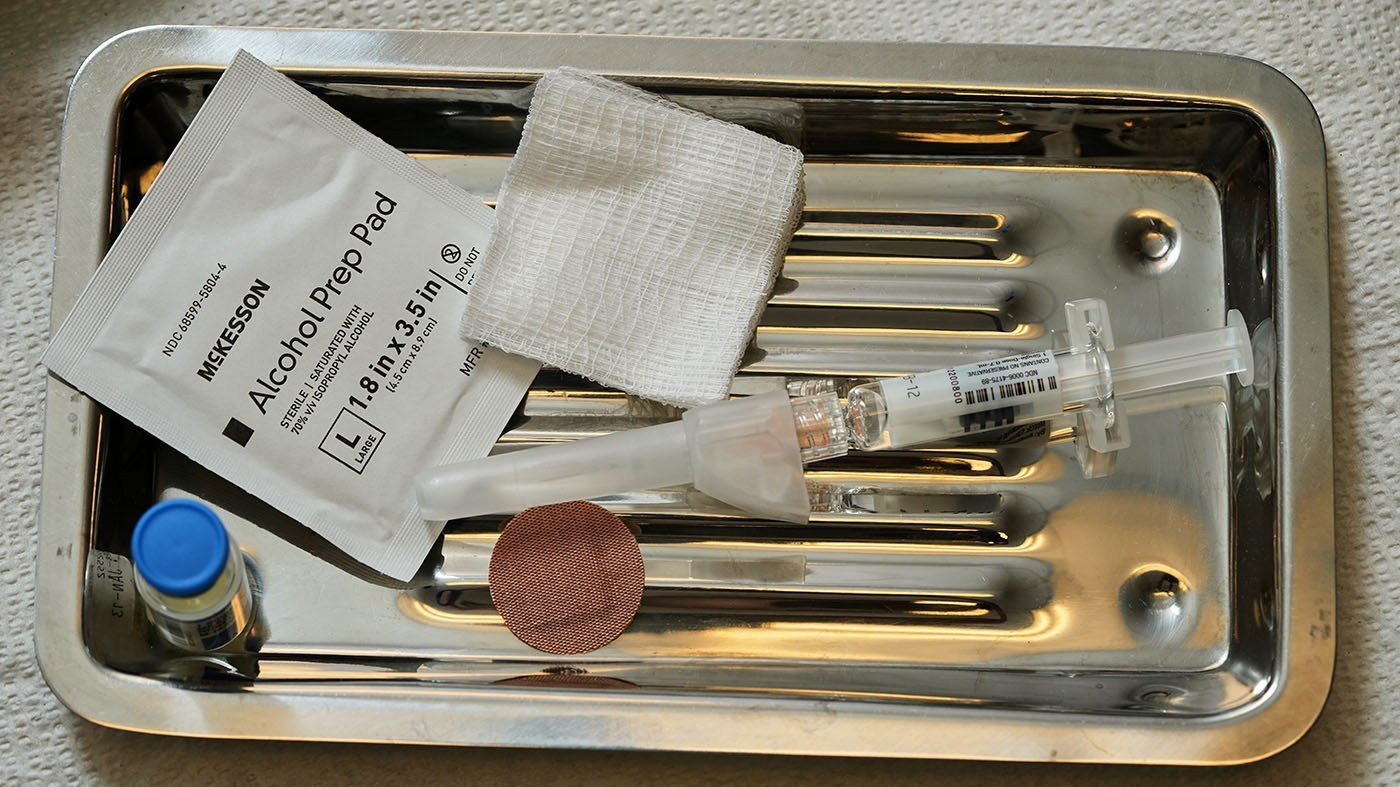
The United States has officially lost its measles elimination status, a designation it had held for more than 25 years, after a sustained resurgence of the virus that has now infected over 7,700 people and killed at least 10 since the start of 2025. The Pan American Health Organization (PAHO) announced the decision on Tuesday, concluding that endemic measles transmission has been reestablished in the country.
PAHO Director Jarbas Barbosa delivered the news during a media briefing following a three-day review with U.S. and Mexican health officials. The regional commission that monitors measles and rubella elimination recommended that the status be withdrawn for Bolivia, Mexico, and the United States. Barbosa said he accepted the recommendation, which had been anticipated for months.
Public health experts had long predicted this outcome. A country loses its elimination status after 12 months of uninterrupted domestic transmission, a threshold the U.S. crossed in January. Since then, case counts have only grown, more than doubling the previous year's total. The outbreaks have been particularly severe in Texas, New Mexico, and other states, with measles-related deaths reported in Texas, New Mexico, Pennsylvania, New York, and Wisconsin. For most of these states, it is the first measles death in decades.
The Wall Street Journal reported last week, citing unnamed sources, that PAHO had already concluded the U.S. had lost its status. The formal announcement was delayed from April to November to allow the U.S. to complete viral genome sequencing, a standard part of the verification process.
While public health advocates have called the development a "tragedy," some current and former administration officials have tried to minimize its significance. Ralph Abraham, the former Louisiana surgeon general who briefly served as principal deputy director at the Centers for Disease Control and Prevention (CDC) earlier this year, said losing the status was "not really" a significant loss.
CDC Director Erica Schwartz has said that losing elimination status will not change the federal response to the outbreaks, which has faced criticism for being too slow and underfunded. Health leaders have repeatedly urged a robust national vaccination campaign to curb the spread, but Trump administration officials have questioned the safety and efficacy of the measles vaccine, and some have equated vaccine injuries with measles deaths.
The decision comes as the administration faces broader scrutiny over its handling of public health emergencies. The loss of elimination status is a stark marker of how far the country has fallen in its fight against a disease once considered conquered. For context, the U.S. had not seen sustained measles transmission for over two decades, and the current outbreak is the worst in recent memory.
The announcement also has implications for international travel and public health cooperation. The U.S. will now be grouped with countries where measles is considered endemic, which could lead to travel advisories or additional screening measures. However, the administration has not indicated any change in its approach.
As the outbreak continues, health officials are watching whether the federal government will adopt more aggressive measures, such as a nationwide vaccination campaign. So far, the response has been left largely to state and local authorities, with limited federal coordination. The loss of elimination status is a sobering reminder of the stakes, and experts say the path back to elimination will require sustained effort and political will.