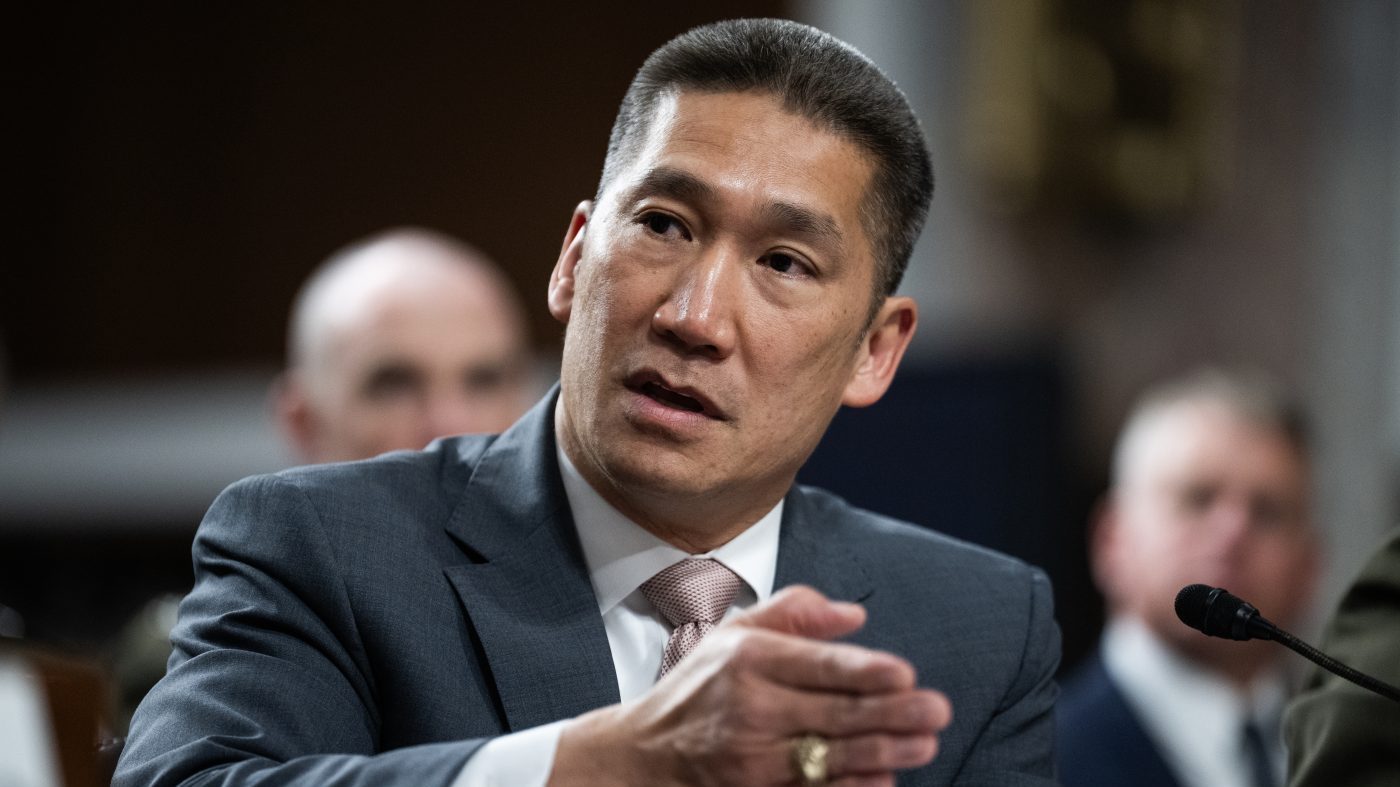
Acting Navy Secretary Hung Cao will appear before the Senate Armed Services Committee on Tuesday as he seeks to permanently lead the Navy, a confirmation process that comes amid heightened tensions with Iran and internal Pentagon turmoil.
Cao, a retired Navy captain, has served in the acting role since April, following the abrupt ouster of former Navy Secretary John Phelan. Phelan's departure was reportedly the result of a clash with Defense Secretary Pete Hegseth, adding another layer of political friction to Cao's nomination.
Key Issues on the Agenda
Lawmakers are expected to press Cao on several fronts, most notably the ongoing military engagement with Iran and the state of U.S. naval readiness. The hearing will also likely focus on the controversial handling of the USS Abraham Lincoln, a carrier that has been at the center of recent operational decisions.
Cao's path to confirmation is complicated by a statutory requirement: federal law mandates that a nominee for his position must have been out of active-duty service for at least seven years. Cao has not met that threshold, meaning his nomination requires a congressional waiver—a step that could draw additional scrutiny from both parties.
Political Context
The confirmation hearing comes as the Pentagon faces intense scrutiny over its leadership and strategic decisions. The clash between Phelan and Hegseth, which reportedly led to Phelan's firing, has raised questions about the stability of civilian leadership at the Department of Defense. Cao's testimony will be closely watched for signals about his alignment with Hegseth's agenda and his ability to navigate the political landscape.
Senators are also likely to probe Cao's views on nuclear waste policy, given its impact on Navy shipbuilding and port operations, as well as broader defense priorities.
What to Watch
The hearing is scheduled to begin at 9:30 a.m. EST. Observers expect a rigorous exchange, particularly from Democrats who may use the hearing to challenge the administration's defense posture. The waiver request could become a flashpoint, with some senators questioning whether the administration is prioritizing political loyalty over statutory requirements.
Cao's military background—he retired as a captain after a career that included command at sea—may bolster his credibility, but it remains to be seen whether that will be enough to overcome the political headwinds. The committee's vote, and the full Senate's eventual decision, will be a key test of the administration's ability to fill senior defense posts amid ongoing global crises.
As the hearing unfolds, the focus will be on whether Cao can reassure lawmakers that he is the right leader for a Navy facing unprecedented challenges, from political fissures in Washington to the immediate threat of conflict in the Middle East.