Senate Republicans on Monday rolled out a sweeping $1.1 trillion defense appropriations bill for fiscal year 2027, a measure that pulls roughly $69 billion out of the party-line reconciliation process and folds it into the regular Pentagon budget. The move reflects growing skepticism that the full $350 billion reconciliation request championed by President Trump and Defense Secretary Pete Hegseth can survive the legislative gauntlet.
The bill, unveiled by the Senate Appropriations Committee's GOP majority, includes $202.9 billion for military pay and benefits, funding a 3.6 percent raise for service members. It also allocates $47.2 billion for munitions procurement and acceleration efforts across the Defense Department, and $35.6 billion for air and missile defense—including the Golden Dome initiative, a top priority for the president.

Notably, the legislation omits military construction and instead channels $11.1 billion into aircraft procurement and sustainment, $6.2 billion for drone and counter-drone research and procurement, and $42 billion for shipbuilding. That shipbuilding pot includes nearly $2 billion in extra funding for an additional Arleigh Burke-class guided-missile destroyer, a nod to the Navy's struggling industrial base.
The bill's timing is critical: lawmakers face a December 11 deadline to avert a government shutdown. Some Democrats see the looming funding fight as leverage to force the Trump administration to end its military campaign against Iran, potentially complicating the lame-duck session.
In total, the measure designates over $285 billion for weapon systems procurement and $203 billion for research, development, and testing. It also sets aside $5.4 billion for security cooperation programs, including roughly $1 billion for the First Island Chain Security Cooperation Initiative to bolster ties with the Philippines and Taiwan, $750 million for the Ukraine Security Assistance Initiative, $175 million for the Baltic Security Initiative, and increased funding for Jordan and Bahrain.
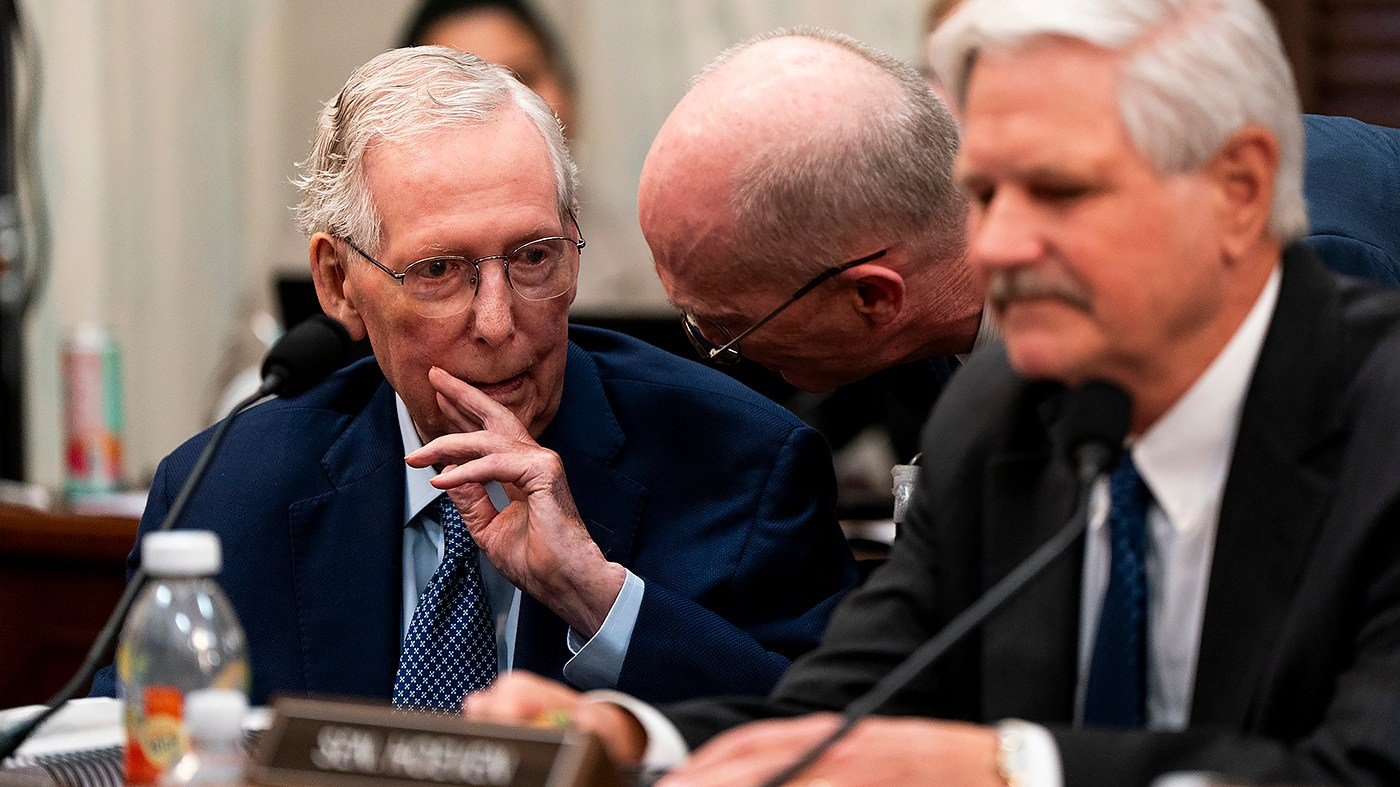
Senate Defense Appropriations Subcommittee Chairman Mitch McConnell (R-Ky.) framed the bill as a “roadmap to sustainably and responsibly” deliver “generational investments” in national defense. “The nature of warfare is changing, and America’s adversaries are working together to threaten us,” McConnell said in a statement. “Deterring these threats is a project bigger than one-time surges of cash. From expanding critical munitions production to reviving American shipbuilding to holding our edge in developing future weapons, tomorrow’s joint force will need consistent investment, year after year.” He added that he is “proud of the Subcommittee’s work toward an historic new baseline and a full-year investment in this generational project.”
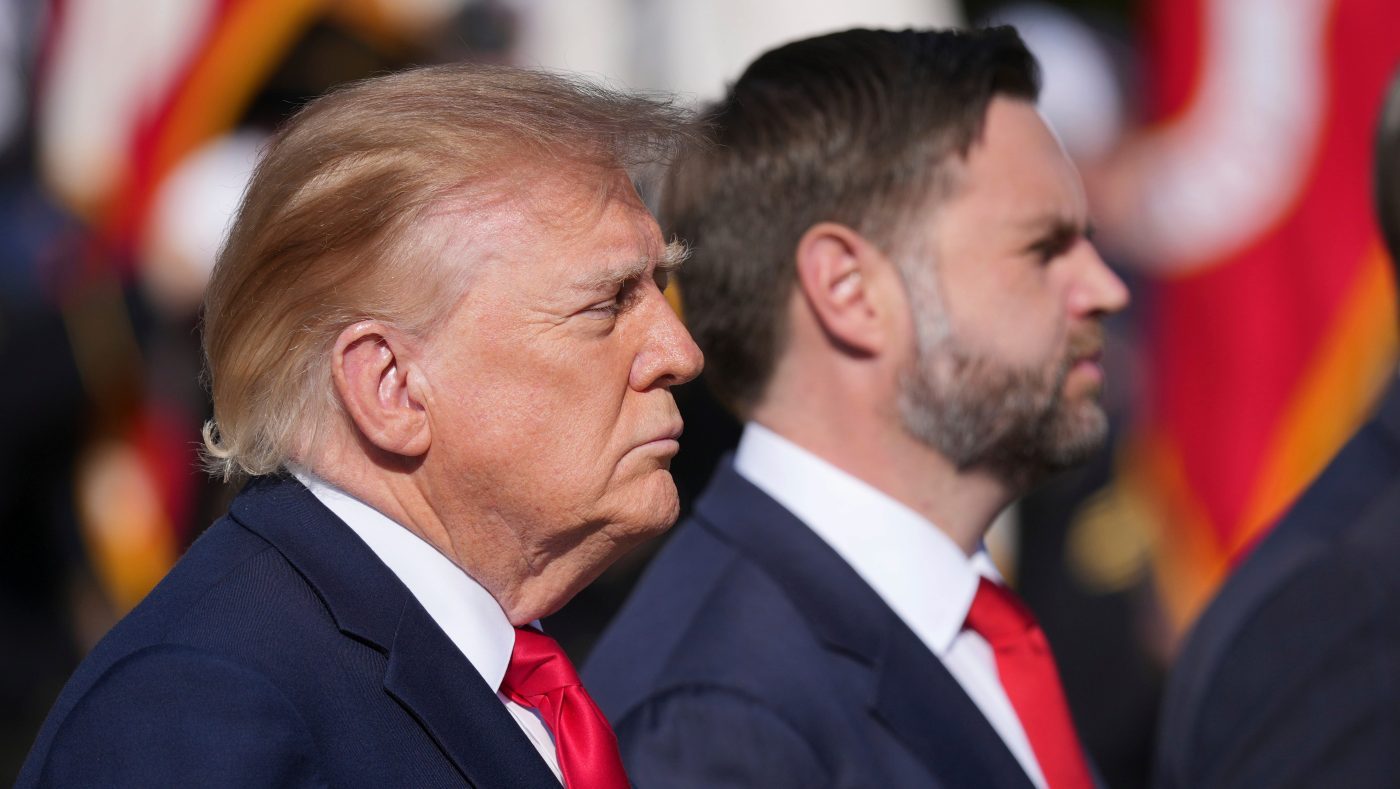
The push comes as Trump and Hegseth have advocated for a record $1.5 trillion Pentagon budget. Last week, the president again called on the Senate to pass the $350 billion reconciliation package. However, Senate Republicans have balked at the full reconciliation request, preferring to shift a portion into the base budget.
Democrats immediately pushed back. Sen. Patty Murray (D-Wash.), the top Democrat on the Senate Appropriations Committee, called the bill a “truly massive windfall” for Hegseth’s Pentagon, “meeting President Trump’s eye-popping request—while doing next to nothing to rein in this president who is waging illegal wars.” Murray added that “we cannot and should not accept the roadmap Senate Republicans have laid out which would hurl hundreds of billions of dollars more at the Pentagon while doing exceptionally little to help families get by.”
The defense spending fight is likely to dominate the lame-duck session, with Republicans pushing for a robust military buildup and Democrats demanding more domestic investment. The bill also comes amid record federal deficits and rising debt interest costs, which could complicate final passage.