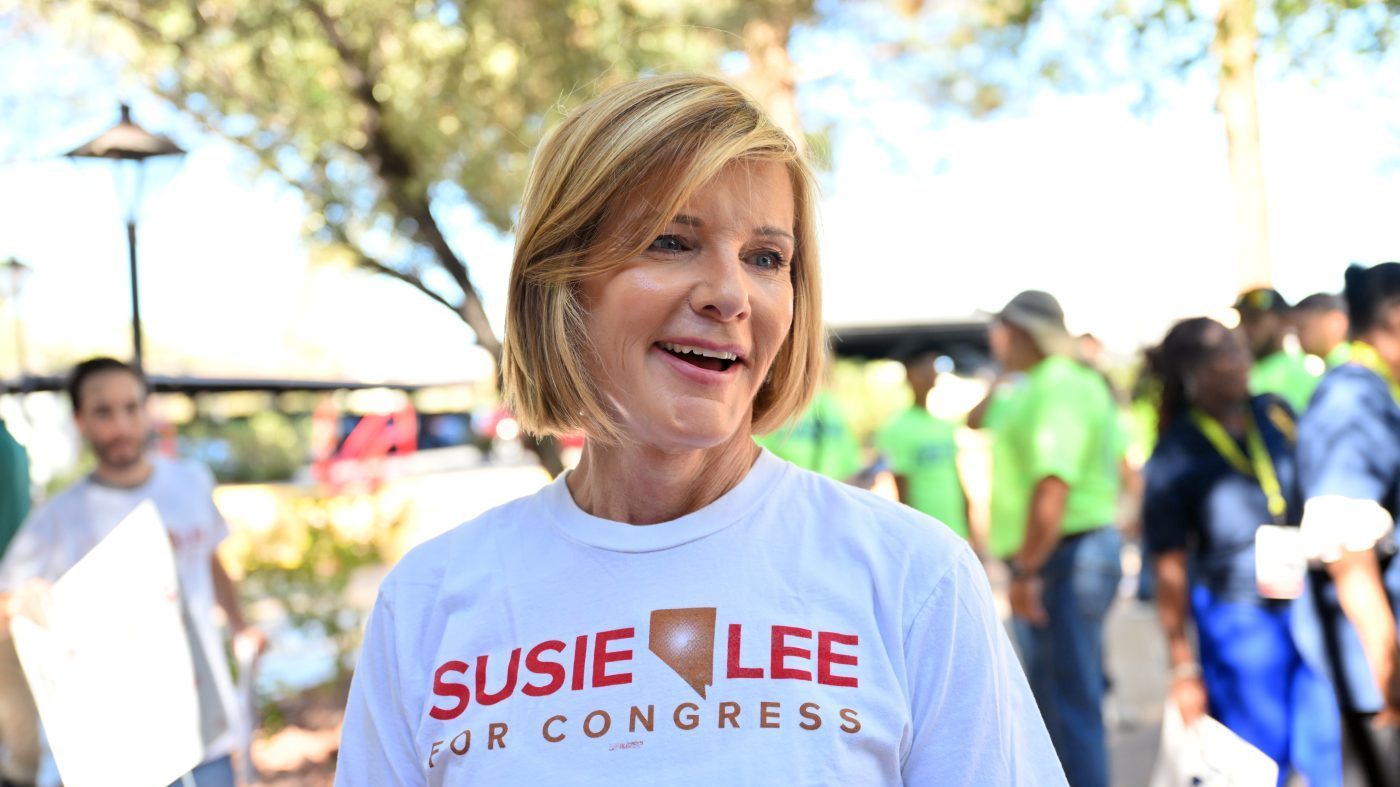
The campaign ads have finally left the airwaves, but the $11.9 billion price tag for the 2026 midterms lingers. That sum, projected by OpenSecrets, would be a record for a midterm cycle—more than four times the $2.9 billion the EPA allocated in May to replace lead pipes. Americans spent a fortune debating the cost of living; now the winners must deliver on their promises.
Washington, however, has never mastered the art of living within its means. When Congress returns on Nov. 9 for the lame-duck session, government funding expires on Dec. 11. The term "lame duck" dates to 1761 London, where defaulting traders waddled out of Exchange Alley. The U.S. government has now run a deficit for 25 consecutive fiscal years, and debt remains the defining issue.
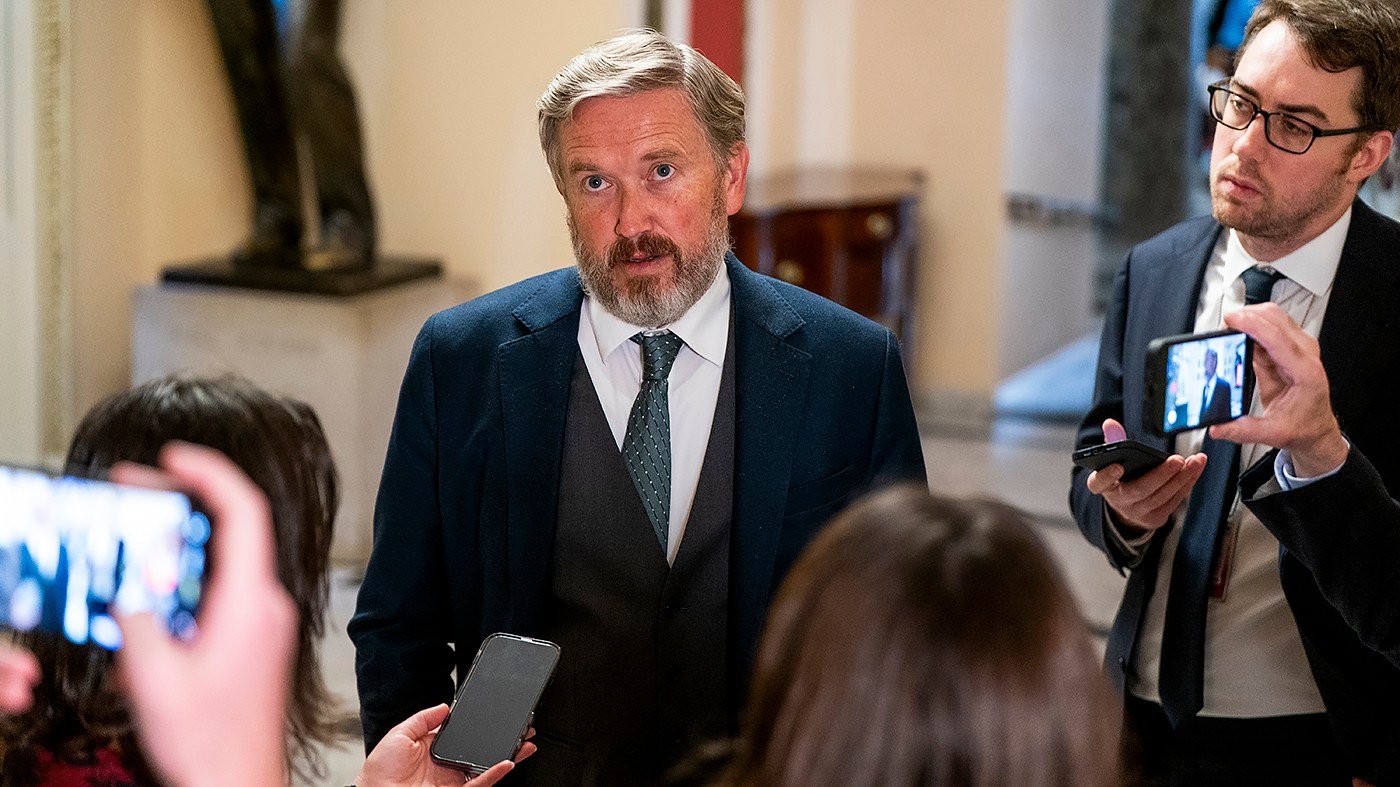
Fiscal 2026 closed with a $1.99 trillion deficit. Interest on the national debt topped $1 trillion, surpassing defense spending—only Social Security and Medicare cost more. Interest alone consumed 19% of all federal revenue. The government only pays down principal by borrowing more, pushing the national debt past $40 trillion. We are effectively servicing an ever-growing loan and calling it governance.
Both parties share blame for this fiscal recklessness. The cure lies in restraint paired with growth, and some growth is already emerging. The Bureau of Economic Analysis reports that foreign investors spent $232.2 billion to acquire, establish, or expand U.S. businesses in 2025—up 49.5% from 2024. Manufacturing attracted $121.8 billion, with Japan as the largest source at $50.5 billion. The White House credits President Trump's agenda; economists can debate the cause, but the investment is broadening the tax base.
Yet voters are still waiting for relief on prices, especially after the $1.9 trillion American Rescue Plan of March 2021, which arrived as the economy was rebounding. The San Francisco Fed estimated it added about 0.3 percentage points to inflation annually through 2022; other economists put the effect at 2 to 3 points. Even Biden's own economists conceded it contributed.
California illustrates the cost of policy choices. A 12-cent gas tax increase, signed by Gov. Jerry Brown in 2017, took effect that November. The low-carbon fuel standard adds another 8 to 10 cents per gallon. AAA puts California's average gas price at $5.94 versus $4.22 nationally—a $1.72 gap driven partly by state taxes and mandates. The $20 fast-food minimum wage has raised restaurant prices by 3.3% to 3.6% in California metros, according to researchers.
Federal border policy also strains local budgets. The Congressional Budget Office found the immigration surge beginning in 2021 cost state and local governments a net $9.2 billion in 2023—$19.3 billion in spending against $10.1 billion in tax revenue. Over half went to schools, shelter, and border security. Every dollar spent is a policy choice, and families absorb the consequences.
Thomas Sowell famously noted there are no solutions, only tradeoffs. Congress forgets this every budget cycle. Each program funded is a dollar taxed, borrowed, or printed. The Declaration of Independence speaks of consent of the governed—but no one consented to $1 trillion in annual interest payments. Those payments buy nothing and crowd out programs both parties claim to cherish. The CBO projects net interest will reach nearly $2.5 trillion a year by 2036.
Lame ducks still have votes, and now is the time for hard choices. Pass full-year appropriations at or below current levels, with no holiday omnibus. If Majority Leader John Thune brings a debt limit increase to the floor, attach enforceable spending caps. Require every new program to name its offset before a vote. Households and businesses live by that rule; Congress should too.
Both parties found $11.9 billion for campaign ads. They can find the will to balance the checkbook. Future generations will inherit the tab—and they are watching.