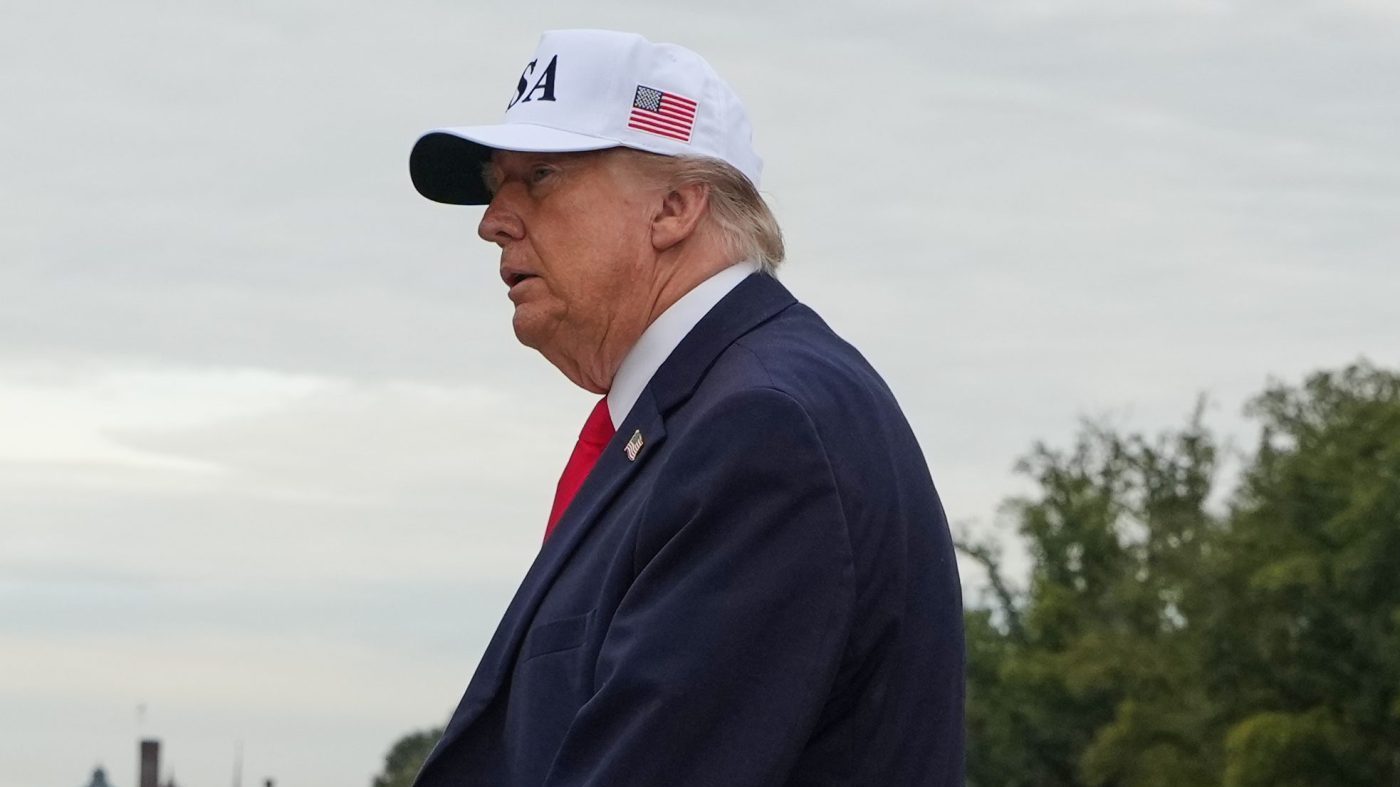
President Trump acknowledged Tuesday's midterm elections were a devastating rebuke for his party, partially attributing the GOP's sweeping losses to the ongoing war with Iran and the resulting spike in energy prices. In an election night interview with the Wall Street Journal, Trump said the Middle East conflict, now in its ninth month, "was a piece of it," but he insisted he would not change course.
The president pointed to skyrocketing gas and diesel costs, both domestically and globally, as the single biggest driver of voter frustration. The war, which began in late February, has upended his 2024 campaign promise to end foreign entanglements, and the economic fallout appears to have weighed heavily on voters. "I think it was the fuel prices," Trump told the Journal, citing the economic strain as the primary factor behind the GOP's losses.
According to Decision Desk HQ (DDHQ), Republicans lost at least seven Senate seats, with two races in Mississippi and Alaska still uncalled as of Wednesday morning. In the House, the GOP surrendered at least 30 seats, with more than 20 races yet to be projected. The losses represent one of the worst midterm performances for a president's party in recent history, and they come on the heels of a Democratic wave that seized control of Congress.
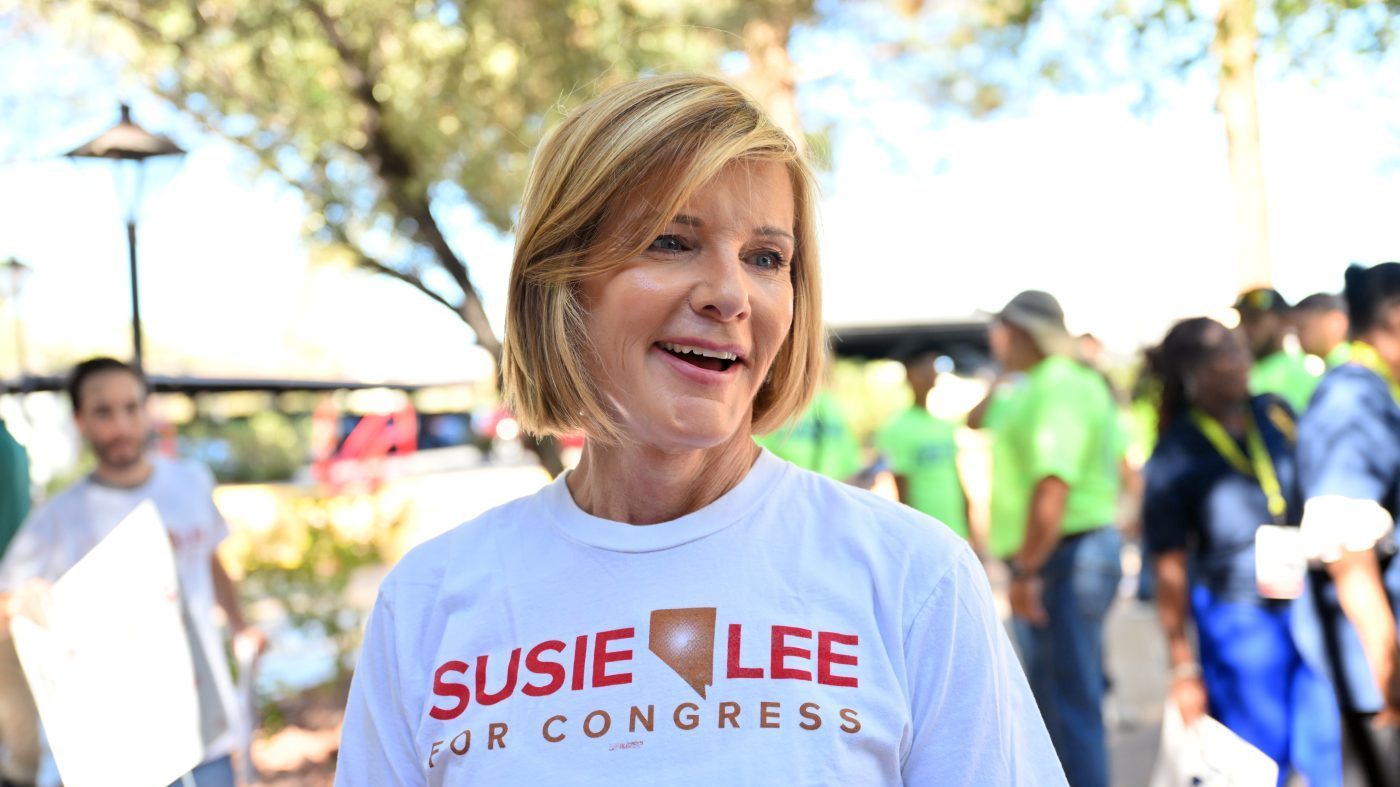
Among the casualties were several Trump-backed candidates, including Texas Attorney General Ken Paxton, who lost to Democrat James Talarico by 12 points, and South Carolina Sen. Darline Graham, who was upset by Democrat Annie Andrews by 4 points. Trump had personally intervened in both races, backing Paxton in his primary challenge to Sen. John Cornyn and urging South Carolina Gov. Henry McMaster to appoint Graham to the seat vacated by her brother, the late Sen. Lindsey Graham.
In the interview, Trump conceded that his endorsements were not enough to overcome the political headwinds. "I tried to help them," he said of Graham and Paxton. "Darline worked very hard, they worked hard. But they both didn't make it." He added that he could "only do so much," admitting some candidates had "flaws." The defeats echo other high-profile losses for Trump-backed contenders, including in Tennessee's 5th District, where Hatcher ousted incumbent Andy Ogles.
The new Congress will present a far more hostile environment for the administration. With Democrats in control of both chambers, Trump will face increased oversight and opposition to his agenda. However, the president signaled a willingness to cooperate, similar to his posture after the 2018 midterms. "I think we'll work with the Democrats, and we'll get along very well with them," he told the Journal. "If we don't, we'll be very tough on them, they'll be very tough on us."
Trump also told both the Journal and the New York Times that he would accept the election results, a departure from his previous warnings about widespread fraud and cheating by opponents. The concession may be an attempt to project stability, but it does little to mask the scale of the defeat. As even conservative commentators have conceded, the Iran war and its economic consequences were decisive factors in the GOP's downfall.
Looking ahead, the president retains the power to veto legislation, which could serve as a check on Democratic initiatives. Yet with a hostile Congress and a fractured party, Trump's final two years in office are likely to be marked by gridlock and political battles. The midterm results have already reshaped Washington, and the coming months will test whether Trump can adapt to a new political reality.