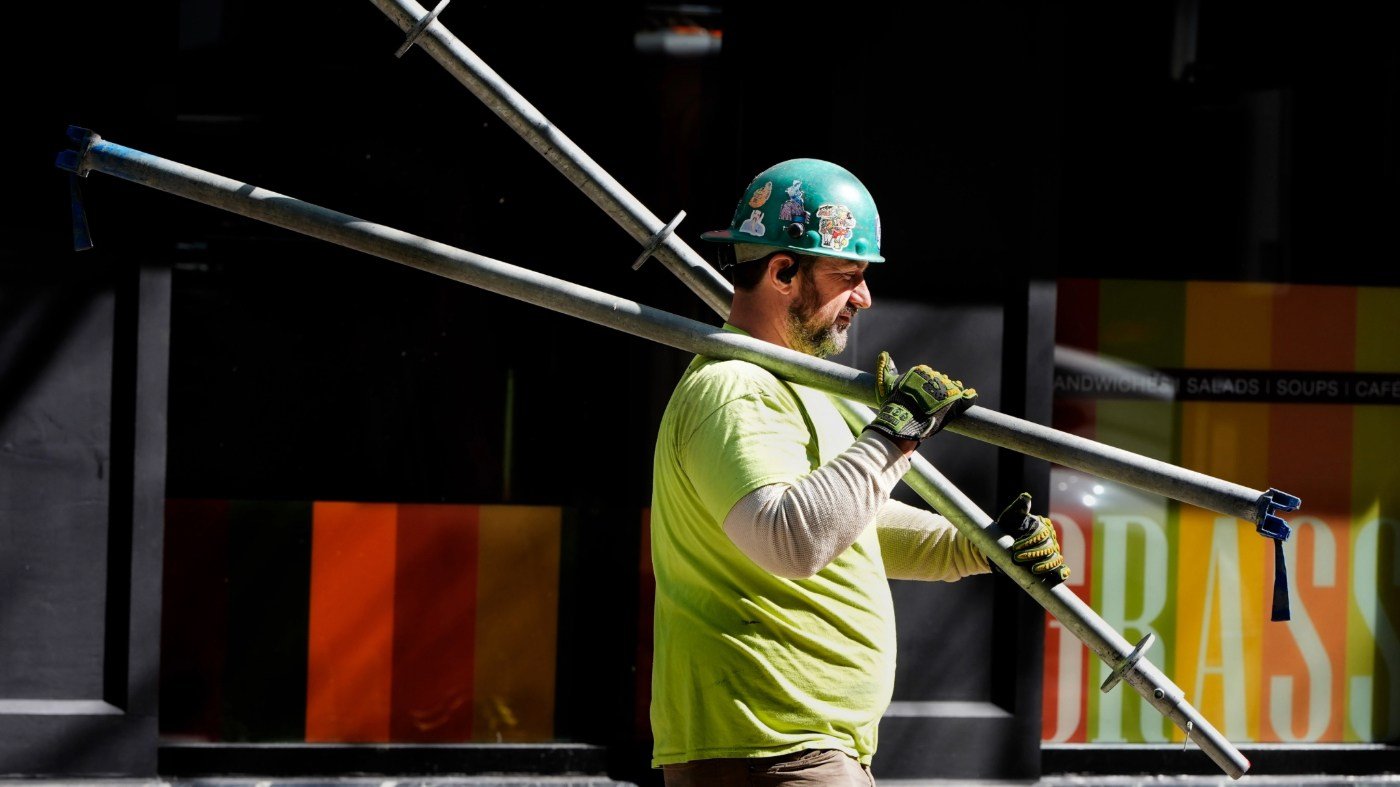
The Laborers' International Union of North America (LIUNA), representing over 540,000 construction workers, is intensifying its push for federal permitting reform. In a new appeal, LIUNA General President Brent Booker argues that the current system has become a political weapon, stalling projects that would employ his members and deliver essential infrastructure.
Booker points to the SunZia wind and transmission project, which waited 17 years for approval, and the Atlantic Coast Pipeline, which was canceled in 2020 after six years of delays. He says these are not isolated cases but part of a broader pattern where projects that are permitted and financed still face years of litigation, often outlasting the time it would take to build them.
For LIUNA members, the impact is immediate and personal. Construction workers are paid by the hour, and their benefits—health coverage, pension contributions—are tied to hours worked. When a project is stalled, workers lose income and security, and families bear the burden. Booker calls this instability unacceptable.
The union is backing the Bipartisan American Affordability and Jobs Act, introduced by Sen. Martin Heinrich (D-N.M.). The bill sets clear deadlines for court challenges, narrows and adds transparency to environmental reviews under the National Environmental Policy Act, and provides the certainty workers have long sought. It also preserves union protections, including prevailing wages and apprenticeships, while aiming to lower energy costs for consumers.
LIUNA has spent over a decade advocating for permitting reform—testifying before Congress, filing comments, and supporting various bills—only to see them fail in the final hours of legislative sessions. Booker says this time is different, with a genuine opportunity to pass meaningful reform.
Booker's call comes amid broader political debates over infrastructure and energy policy. Some Democrats have conditioned their support for permitting reform on restoring clean energy funds, as recent reports have noted. The outcome could shape the pace of major projects across the country.
For LIUNA, the stakes are clear: every day of delay is another day without work for its members. Booker urges Congress to act now, warning that continued inaction is a gamble with workers' futures—a gamble the union is no longer willing to take.