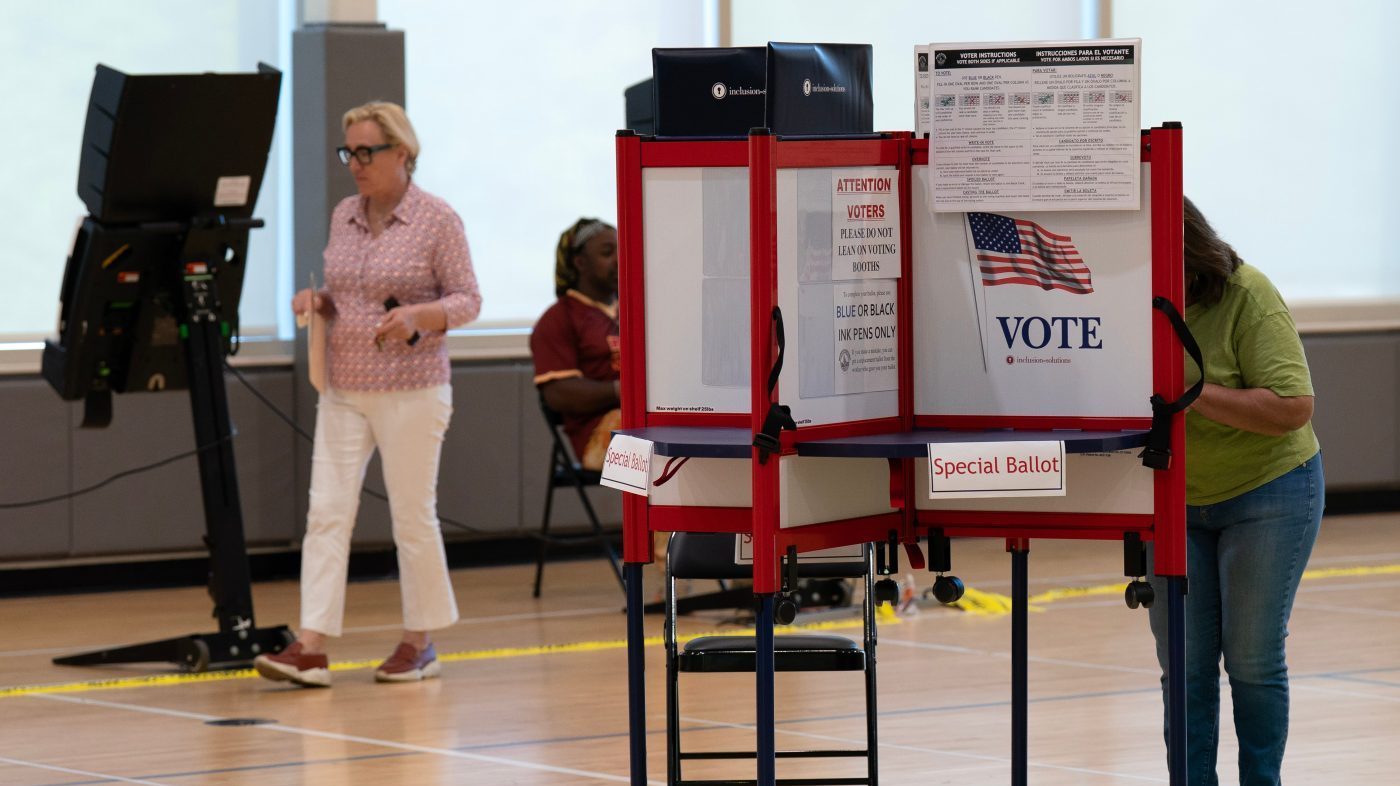
Washington, D.C., voters have decisively approved a ballot measure that will outlaw the sale and distribution of foie gras within the District, according to projections from Decision Desk HQ early Wednesday. With about 73 percent backing the initiative, the measure marks a significant victory for animal rights advocates and a setback for the city's upscale dining scene.
Initiative 86, formally titled the “Prohibiting Force-Feeding of Birds Act of 2026,” bans both the practice of force-feeding ducks or geese to enlarge their livers and the sale of any products derived from that process. The D.C. Board of Elections certified the initiative for the November ballot in August after supporters, led by the animal advocacy group Pro-Animal DC, submitted more than 45,000 signatures.

The measure became one of the most polarizing issues on the District's ballot, pitting animal welfare organizations against restaurateurs and specialty food retailers who argue that foie gras is a legitimate culinary tradition. Proponents contend that force-feeding—typically done by inserting a tube into the bird's esophagus—causes unnecessary suffering, as the birds are fed far more than they would naturally consume, leading to an enlarged liver.
Opponents, including local chefs and business owners, have expressed frustration with the measure's passage. Bart Hutchins, chef and owner of the D.C. restaurant Butterworth's, wrote in an op-ed for The Washington Post that he was “incredibly disappointed” the initiative made the ballot. He argued that the ban would harm local businesses and infringe on consumer choice.
Under the new law, restaurants and retailers found in violation could face fines ranging from $1,000 to $5,000 for a first offense. Repeat offenders could see their business licenses suspended. The ban is set to take effect on July 1, 2027, giving the industry time to adjust.
D.C.'s move follows a similar ban in California, which went into effect in 2012. That law has faced legal challenges, including two Supreme Court appeals that were declined for review. Despite the legal setbacks, foie gras has still been found in some California stores, as reported by the Los Angeles Times in 2025.
The initiative also emerged amid a broader political landscape in the District, where Democratic nominees are expected to win their races comfortably. Janeese Lewis George, a democratic socialist and the Democratic nominee for mayor, is poised to succeed three-term Mayor Muriel Bowser. The foie gras debate added a local, quality-of-life dimension to an otherwise predictable election cycle.
As D.C. prepares to implement the ban, similar proposals could gain traction in other cities, especially given the growing focus on animal welfare in food policy. For now, the nation's capital joins California in taking a firm stance against a delicacy that many find ethically untenable.