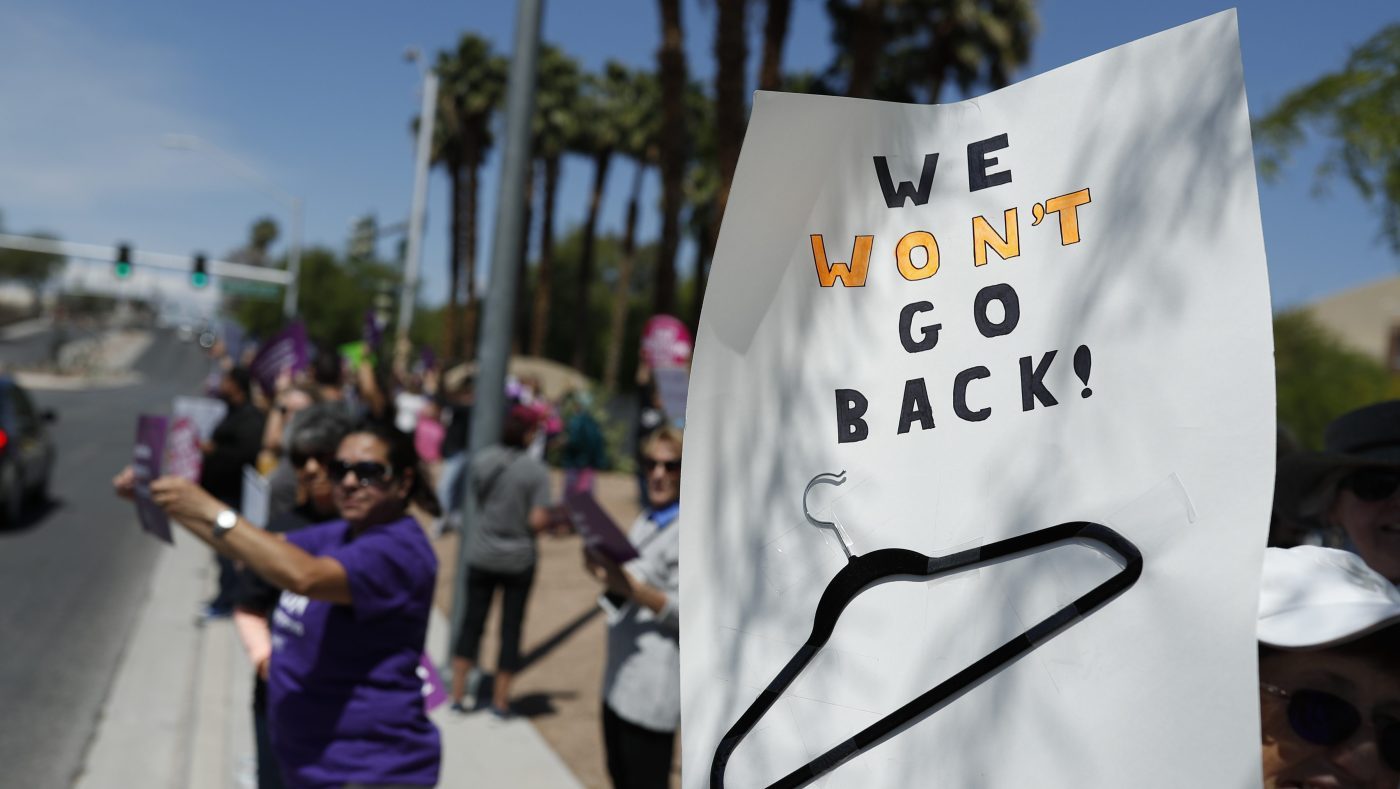
Nevada voters have approved a ballot measure that enshrines abortion rights in the state constitution, according to a projection from Decision Desk HQ. The amendment, which passed with 63% support as of early Wednesday with 70% of the vote counted, guarantees the right to an abortion up to the point of fetal viability—typically around 24 weeks of pregnancy.
The measure also permits the state to impose restrictions after viability, except when an abortion is necessary to protect the life or health of the pregnant person. This marks the second consecutive election in which Nevadans have backed the amendment, as the state requires constitutional changes to be approved in two successive even-numbered years. In 2022, the measure received 64% support.

The passage continues a sweeping trend of reproductive rights victories at the ballot box across the country since the Supreme Court's 2022 decision to overturn Roe v. Wade. Voters in states with both Democratic and Republican leanings have approved similar measures, including California, Vermont, Ohio, and Missouri. More than a dozen states, primarily in the South, have implemented near-total abortion bans.
In neighboring states, recent ballot initiatives have also shaped the abortion landscape. For instance, Virginia voters enshrined abortion protections in their state constitution, while Missouri voters rejected a GOP effort to reinstate an abortion ban, underscoring the divide between states that are expanding access and those that are restricting it.
The Nevada amendment does not alter existing state law, which already permitted abortion up to 24 weeks, but it provides a constitutional safeguard against future legislative attempts to restrict access. Supporters argue that the amendment ensures that abortion rights are not subject to political swings, while opponents had warned that the measure could lead to late-term abortions and undermine parental involvement laws.
Abortion rights advocates celebrated the victory, calling it a reflection of public opinion in Nevada and a critical protection for women's healthcare. "Nevadans have made clear that they trust women and their doctors to make personal medical decisions without government interference," said a spokesperson for the campaign supporting the amendment.
Opponents, however, expressed disappointment, with some vowing to continue efforts to restrict abortion through other legislative avenues. The amendment's passage adds Nevada to a growing list of states where abortion rights are protected at the constitutional level, creating a patchwork of laws that continues to evolve in the post-Roe era.
As the dust settles on this election cycle, the broader political implications are significant. The success of abortion rights measures in states like Nevada and Virginia, coupled with the rejection of restrictive measures in Missouri, suggests that reproductive rights remain a potent issue for voters, potentially shaping future campaigns and legislative priorities.