The Federal Reserve opted to keep its benchmark interest rate unchanged at its latest meeting, resisting pressure for a second consecutive hike. The target federal funds rate remains between 3.75% and 4%, a decision that drew two dissents from Federal Open Market Committee members.
The move reflects a growing consensus that recent inflation is largely a product of surging energy prices, not a broad-based economic overheating. As September's inflation data showed, consumer prices rose 3.7% year-over-year, but energy costs jumped 20% and gasoline 34%. Energy alone contributed about 1.4 percentage points to that headline number—roughly matching housing's contribution, despite housing carrying more than a third of the index's weight.

When energy is stripped out, the inflation picture shifts dramatically. Core inflation, which excludes food and energy, still misses the ripple effects of oil prices. For instance, airline fares—counted within core—are up 22%, driven largely by jet fuel costs. Similarly, trucking and delivery charges, which are baked into the price of nearly every consumer good, are also energy-sensitive.
A more accurate measure would ask: what would inflation be if energy-intensive goods and services had risen at a normal 2% rate, while measuring everything else at realized prices? Using the Labor Department's own CPI weights, that figure comes to 2.1% over the past year and about 2.5% over the last three months. Even monthly readings during the oil price surge from the low $80s to over $100 were modest: 0.20%, 0.22%, and 0.21%.
Applying the same methodology to the Personal Consumption Expenditures Price Index—the Fed's preferred gauge—yields 2.6% year-over-year, based on data released the day after the meeting. This further validates the Fed's choice to hold, as dissent within the committee had signaled a potential hike.
Regional Fed banks arrive at similar conclusions through alternative calculations. The Dallas Fed's “trimmed mean” inflation measure fell to 2.2% in August, its lowest this year, while the Cleveland Fed's median price index stood at 2.6% in September. All these indicators suggest inflation is within a point of the Fed's 2% target.
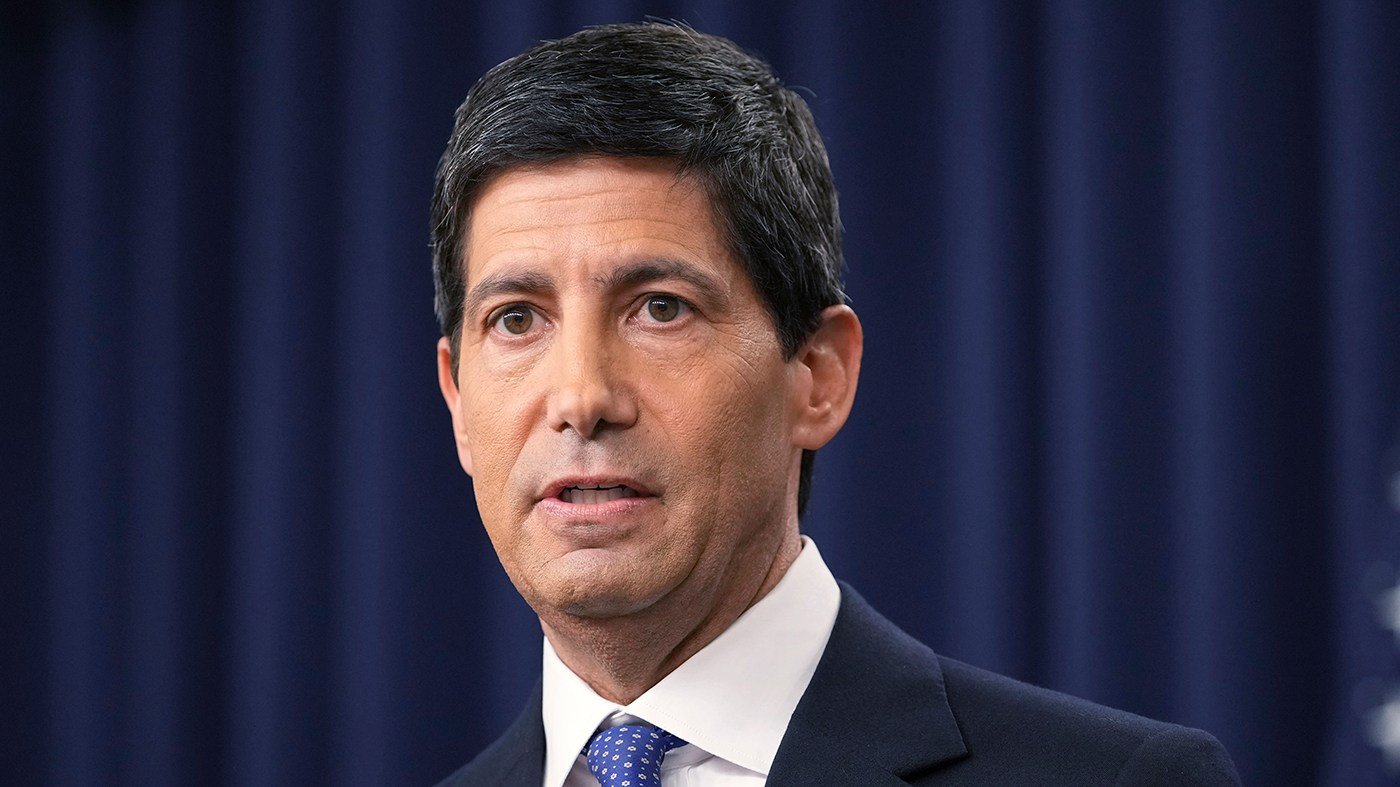
Fed Chairman Kevin Warsh, however, has argued that inflation is “widespread,” pointing to more than half of the 199 CPI categories rising faster than 3%. But that framing treats all categories equally, ignoring their weight in household budgets. When accounting for budget shares, inflation is not broad—it is largely concentrated in oil-dependent items.
An October hike would have imposed unnecessary burdens on American families and businesses. Higher rates would raise payments on car loans and credit cards, and increase borrowing costs for small businesses. Moreover, the full effects of a rate change take over a year to permeate the economy, meaning a hike would persist long after the current energy shock subsides.
The Fed was right to hold, and it should continue to prioritize measures that filter out narrow price shocks. Whether through the “trimmed mean” or holding energy-intensive goods to a 2% baseline, the public deserves clarity on what is truly driving price changes. Warsh has indicated future meetings will focus on monetary policy strategy, including taskforces on data improvements and the balance sheet's appropriate size.
Interest rates are a powerful tool, but they are not a cure for energy shocks stemming from geopolitical events like the Middle East conflict. As policy debates continue, the Fed's decision underscores the need for targeted responses to inflation that are responsive to rate changes.