The 2026 midterm elections delivered a decisive rebuke of President Trump and his MAGA-aligned Republican Party, but the results were hardly a ringing endorsement of the Democratic Party. With no credible third option on the ballot, voters expressed their frustration through a negative verdict on the president's policies, his combative personality, and the direction of his party. Yet the underlying divisions that define American politics remain as stark as ever.
Both parties are now barreling toward a confrontation over the issues that dominated the campaign: affordability, the rising cost of living, corruption, and an unpopular war. These were the issues indelibly, if not always visibly, on the ballot. The question now is how severe the collision will be. Democrats campaigned on promises to address these problems, but their ability to deliver is constrained by the president's veto power and a polarized Congress. Without a two-thirds majority in both chambers to override a veto, any legislation that lacks bipartisan support—a concept increasingly foreign to Washington—is dead on arrival.

President Trump, who has shown a willingness to rule by executive order, will likely veto any bill passed solely by Democrats. This will temporarily expand presidential power, but it will also fuel public anger at a government that appears incapable of functioning. The animosity between the parties has reached a point where hatred has become the currency of politics, and the Constitution—built on checks and balances that require compromise and civility—is under severe strain. Both qualities are conspicuously absent.
Democrats are preparing to launch sweeping investigations into Trump's finances and those of his family, signaling an aggressive oversight agenda. A prospective Democratic committee chair has already told Republicans to “lawyer up,” while the presumptive Speaker of the House has described Chief of Staff Stephen Miller as “a malignant tumor.” The presumptive chair of the House Judiciary Committee has framed the investigations as a return to the rule of law, aimed at rooting out corruption and enrichment among Trump's inner circle. The release of the Epstein files is also on the agenda, with Democrats poised to use the contents to attack the president's character.
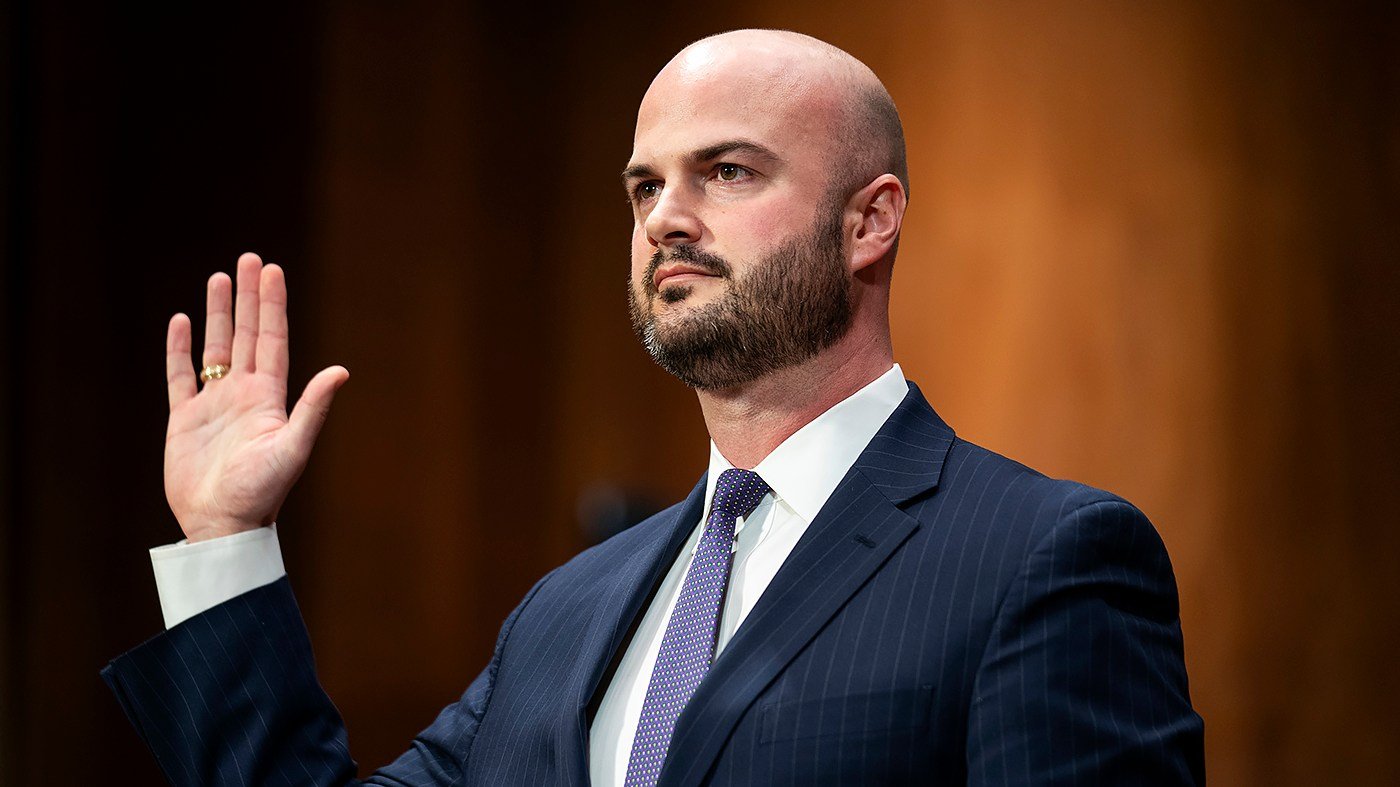
Trump's response, true to his mentor Roy Cohn's playbook, will be to double down and refuse to concede any ground. His attorney general, Todd Blanche, is amassing legal firepower, asserting that he will serve as the administration's attorney for Republicans facing what he calls an “unlawful assault” by Democratic investigators. Blanche seems to ignore that the Department of Justice was created by an act of Congress, not directly by the Constitution, and his confrontational stance has set the stage for a clash between the executive and legislative branches.
The first flashpoint could come as early as December 11, when the current continuing resolution funding the government expires. If no budget or extension is passed, the government will shut down. The chances of a budget deal are slim; Democrats will make demands on funding priorities, and Republicans, who control both chambers, will be blamed by the public regardless of the merits. Democrats know this and will use the shutdown to paint Trump as the cause of gridlock, provoking the aging president into further isolation and vindictiveness.
This domestic political warfare is a gift to America's adversaries, who will exploit the chaos to accelerate U.S. decline. The violence that began with the murder of George Floyd in 2020 and culminated in the January 6 attack on the Capitol could resurface. If the breakdown of government continues, societal breakdown may follow. The question is whether Americans can prevent a slide into civil conflict. The answer, under the current toxic conditions, remains uncertain.
As the political class prepares for battle, the stakes could not be higher. The post-election period is not just about policy disagreements; it is about the survival of democratic norms and the rule of law. The next few months will test whether the Constitution can withstand the hatred that now defines American politics.