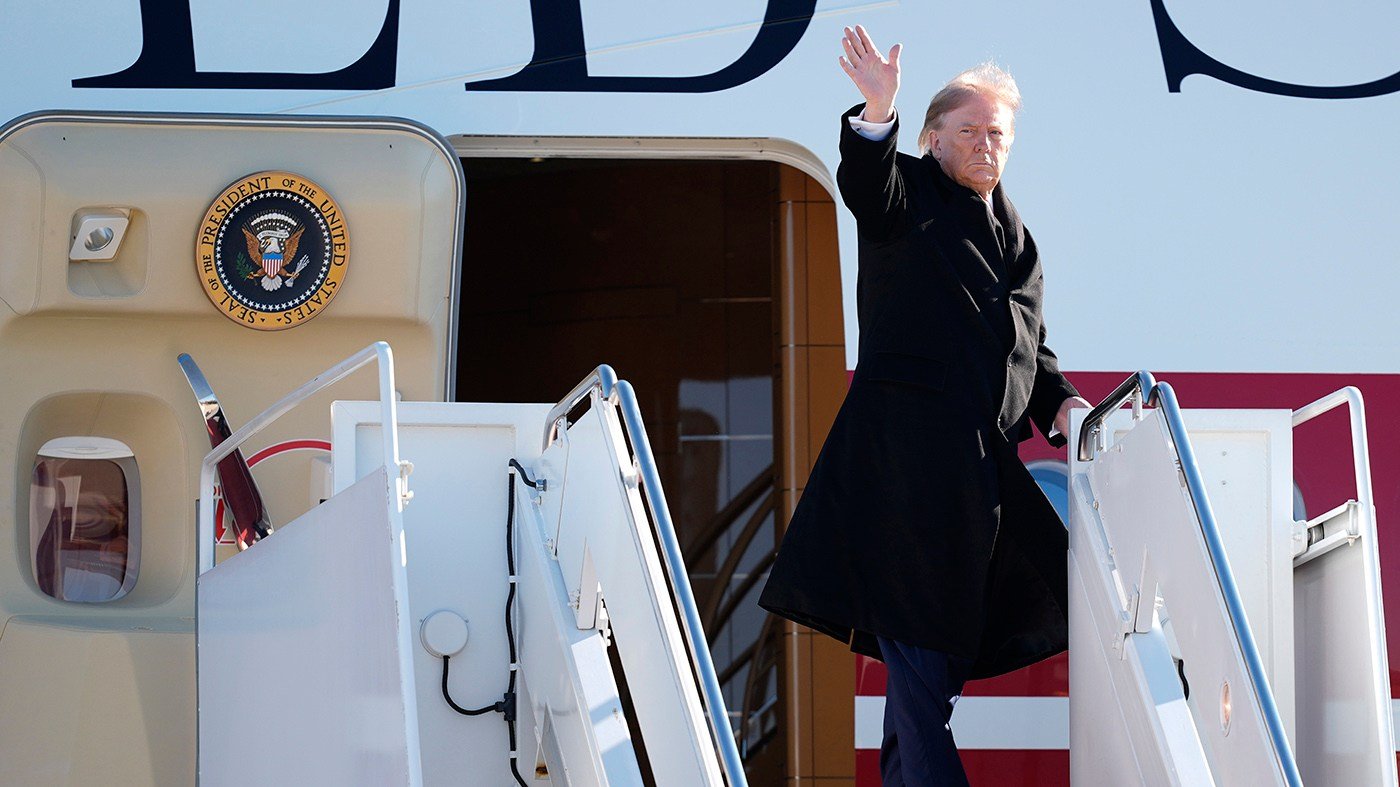
President Trump's trip to Asia got off to an unexpected start Monday when Air Force One was forced to divert from its planned refueling stop in Anchorage, Alaska, because of extreme weather conditions. The presidential aircraft instead landed in Fairbanks to refuel under more favorable conditions before continuing on to the Philippines, according to a White House official.
The detour adds a minor wrinkle to a high-stakes journey that will see Trump meet with Chinese President Xi Jinping and Russian President Vladimir Putin. The official confirmed that the plane had departed Fairbanks and was en route to Manila, the first stop on a week that includes the ASEAN Summit and the Asia-Pacific Economic Cooperation forum.
Trump is traveling with a senior delegation, including Secretary of State Marco Rubio, Treasury Secretary Scott Bessent, and U.S. Trade Representative Jamieson Greer, signaling the economic and diplomatic weight of the discussions. The agenda is expected to center on artificial intelligence, trade, and regional security, with the U.S.-China trade truce—extended until January 10—hanging in the balance. That agreement lowered U.S. tariffs on Chinese goods in exchange for Beijing suspending export controls on rare earth metals, but both sides still face significant unresolved differences.
Beyond trade, Trump has hinted at a possible meeting with North Korean leader Kim Jong Un while in China, aiming to restart talks on Pyongyang's nuclear program. He also told reporters he intends to raise the war in Ukraine with both Xi and Putin, despite earlier signals from his own administration that the conflict would not be a focus of the discussions.
“We'll talk about, my favorite subject, Ukraine. Ukraine's losing Ukraine,” Trump said Monday. “Russia is losing 25,000 soldiers in the month. So we'll be talking about that.”
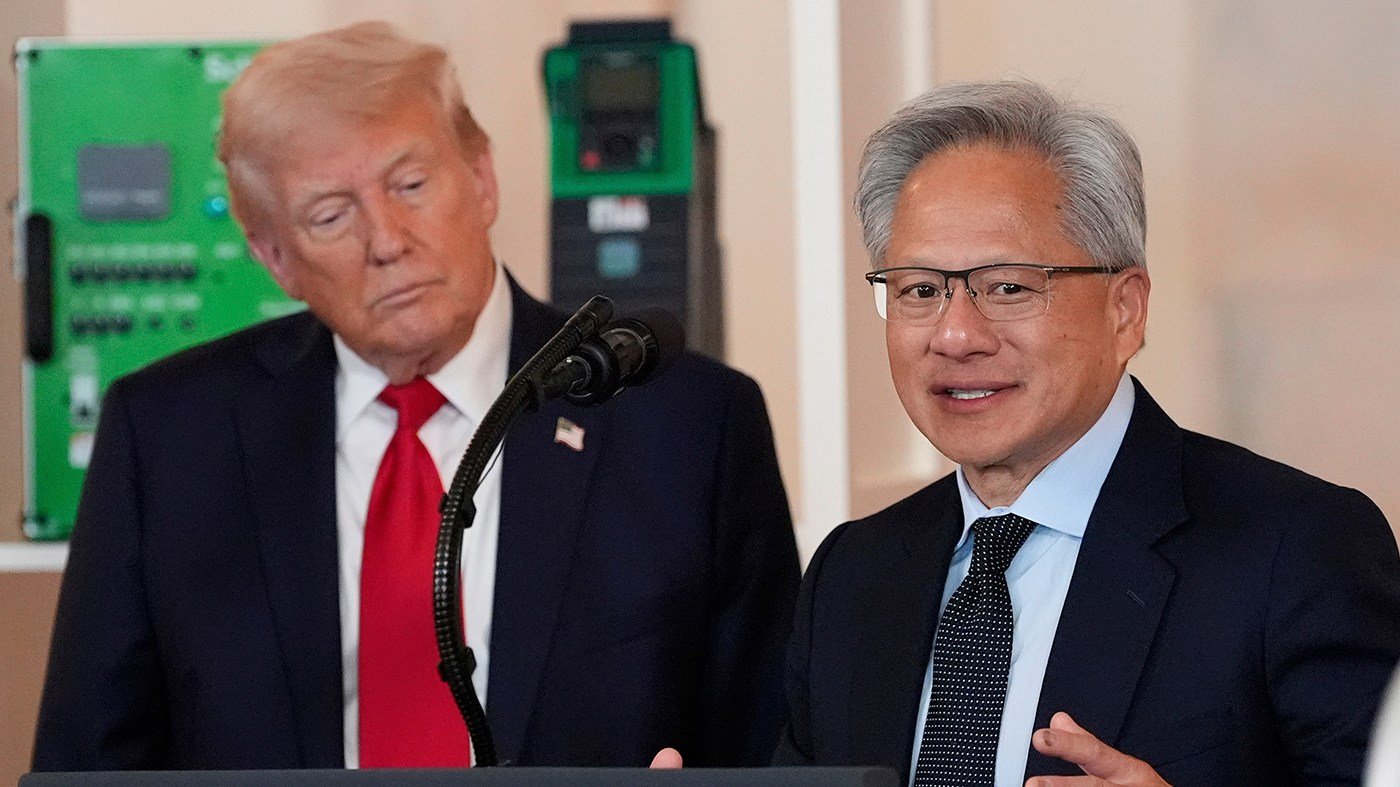
The diplomatic maneuvering comes as one of Trump's closest allies, former Nvidia CEO Jensen Huang, faces fallout from a scandal involving extramarital affairs, including one with an alleged Chinese spy. Trump has publicly backed Huang, but Congress has launched investigations into Huang and the Commerce Department over the matter. The president has not ruled out Huang returning to lead the AI chipmaker, a stance that could complicate his administration's broader technology policy.
The trip also unfolds against a backdrop of domestic political turbulence. Trump's handling of the FAA's recent outage has drawn criticism, with the president pressing Congress for a $50 billion fix while disavowing responsibility. Meanwhile, Democrats are gearing up for oversight battles, and recent polls suggest a potential Democratic wave in the 2026 midterms that could reshape the final years of his presidency.
As Trump engages with world leaders, the weather detour is a reminder of the logistical challenges of presidential travel, but the real turbulence may lie ahead in the meeting rooms of Manila and Beijing.