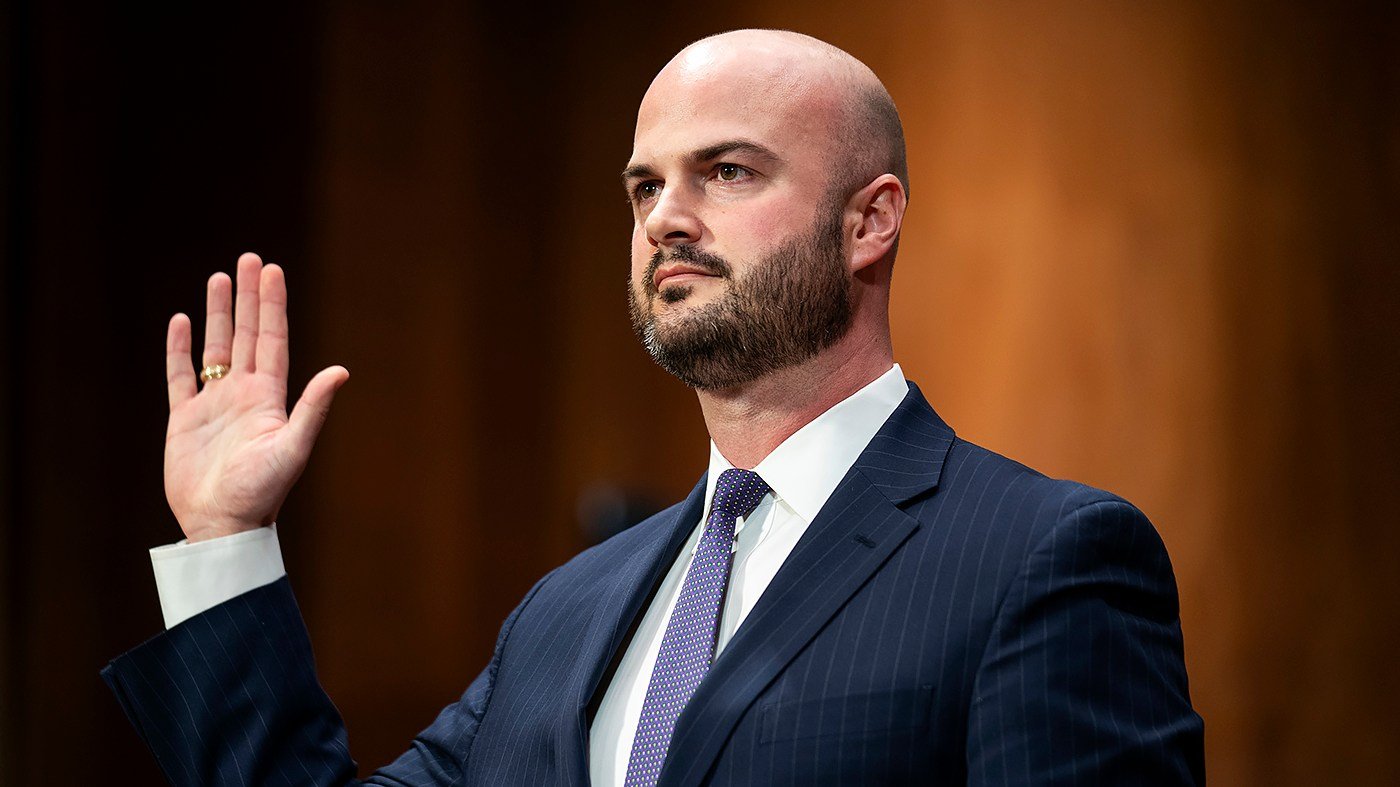
In a sharp escalation of political attacks on the Pentagon's leadership, Rep.-elect Fred Wellman (D-Mo.) has accused Defense Secretary Pete Hegseth of committing murder, going beyond earlier allegations of war crimes. During an appearance on MS NOW, Wellman, a retired Army officer with 22 years of service and four combat deployments, said, "Actually, I believe he's committed crimes." He stressed that the United States is not at war with any nation in South America, yet U.S. forces have been striking boats in the Pacific and the Caribbean. "As far as we're being told, they're drug boats," he added.
Wellman questioned the legal and moral basis for such operations, noting, "I'm not sure if I remember a time in American history where we're allowed to execute people simply for the accusation of a crime." He claimed that "we have been striking these boats" and "killed hundreds of people with little or no explanation." Drawing on his military background, he argued that troops who pull the triggers deserve to know exactly what is happening. "We owe it to those troops who are pulling those triggers to know exactly what's going on because they're being asked to kill people," he said.

The incoming congressman did not mince words about his view of Hegseth's responsibility. "That responsibility is a very serious one and I don't believe that Pete Hegseth or frankly Donald Trump take that at all seriously," Wellman concluded. "So I'm not just saying it's war crimes. I think it's fair to say it's straight up crimes. It's murder."
Wellman also revealed a long personal history with Hegseth, saying he has known the defense secretary for 15 years but has disliked him for "about 14.99 of those years." His comments come amid growing Democratic scrutiny of Hegseth's tenure, which has been marked by controversial policy decisions and personnel moves.
The accusations follow a failed impeachment effort last week by outgoing Rep. Thomas Massie (R-Ky.), who introduced eight articles of impeachment against Hegseth. Massie's articles alleged violations of the Constitution and other laws during U.S. military operations in Yemen, Iran, the Caribbean, and the Eastern Pacific. Massie, who lost his reelection bid to Trump-backed Rep.-elect Ed Gallerein (R-Ky.), will not return to the House, but Democrats are signaling they will continue oversight efforts.
Rep. Betty McCollum (D-Minn.), the top Democrat on the House Appropriations Subcommittee on Defense, previously stated, "When Democrats take the majority in the 120th Congress, we will hold Secretary Hegseth accountable for his illegal actions." That statement, combined with Wellman's fiery rhetoric, suggests that Hegseth's confirmation battles are far from over.
Wellman also floated the idea of investigating the Defense Department over high-profile removals conducted by Hegseth, including reported denials of promotions to military members who supported the COVID vaccine. Such actions have fueled criticism that Hegseth is politicizing the military and undermining morale.
As Democrats prepare to assume control of the House in the next Congress, they are likely to pursue aggressive oversight of the Pentagon. The Democrats' oversight agenda is expected to focus on Trump administration policies, and Hegseth's military operations will be a central target. The political landscape, already fraught with post-election gridlock, may see further constitutional clashes over executive power.
Hegseth's defenders argue that his actions are necessary to combat drug trafficking and protect national security, but Wellman's accusations raise serious questions about the legality of using lethal force without clear congressional authorization. The debate over the scope of presidential war powers is likely to intensify as Democrats take the gavel.
For now, Wellman's blunt language—calling the strikes "straight up crimes"—signals a new, more confrontational phase in the political battle over the Pentagon's conduct. Whether this leads to formal investigations or impeachment hearings remains to be seen, but the Democratic leadership's reckoning with its own missed opportunities may shape how aggressively they pursue this issue.