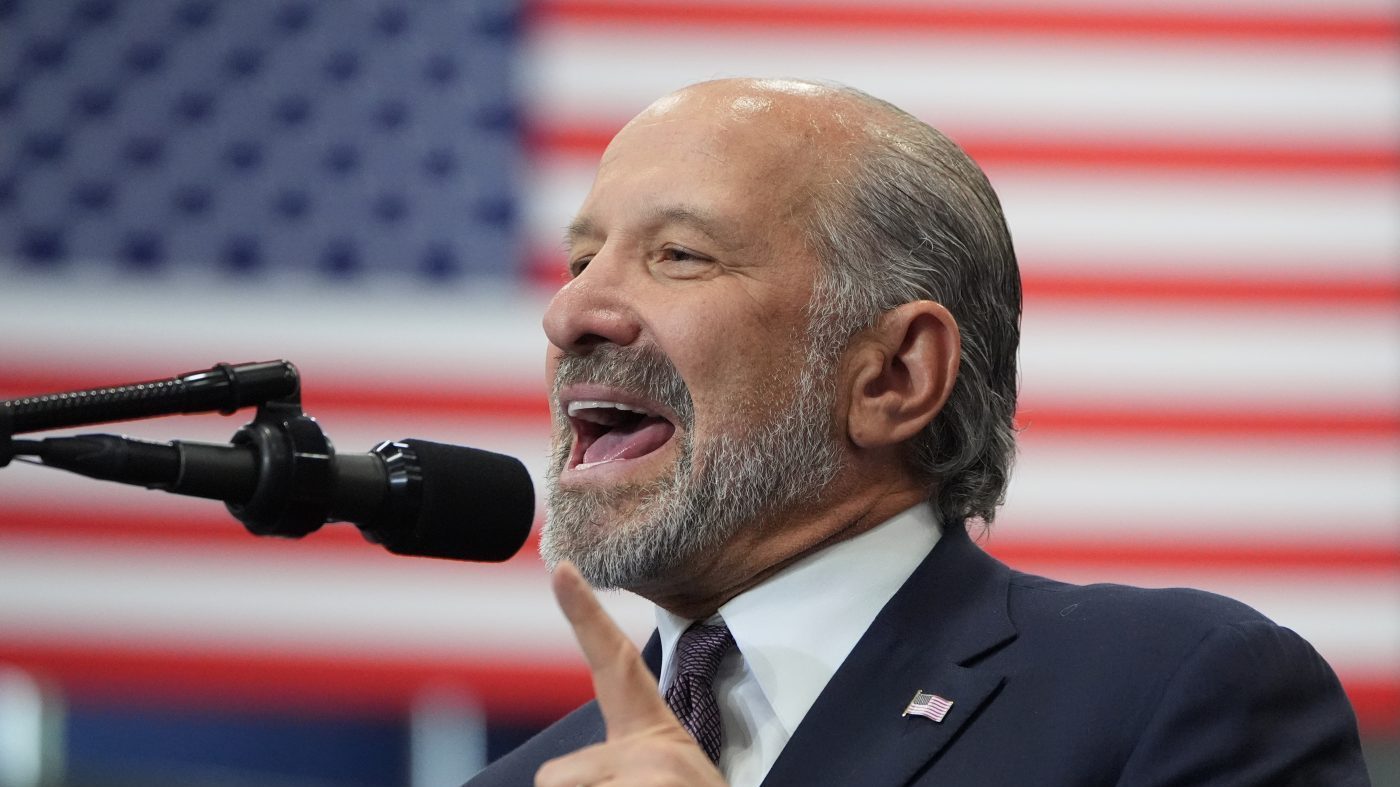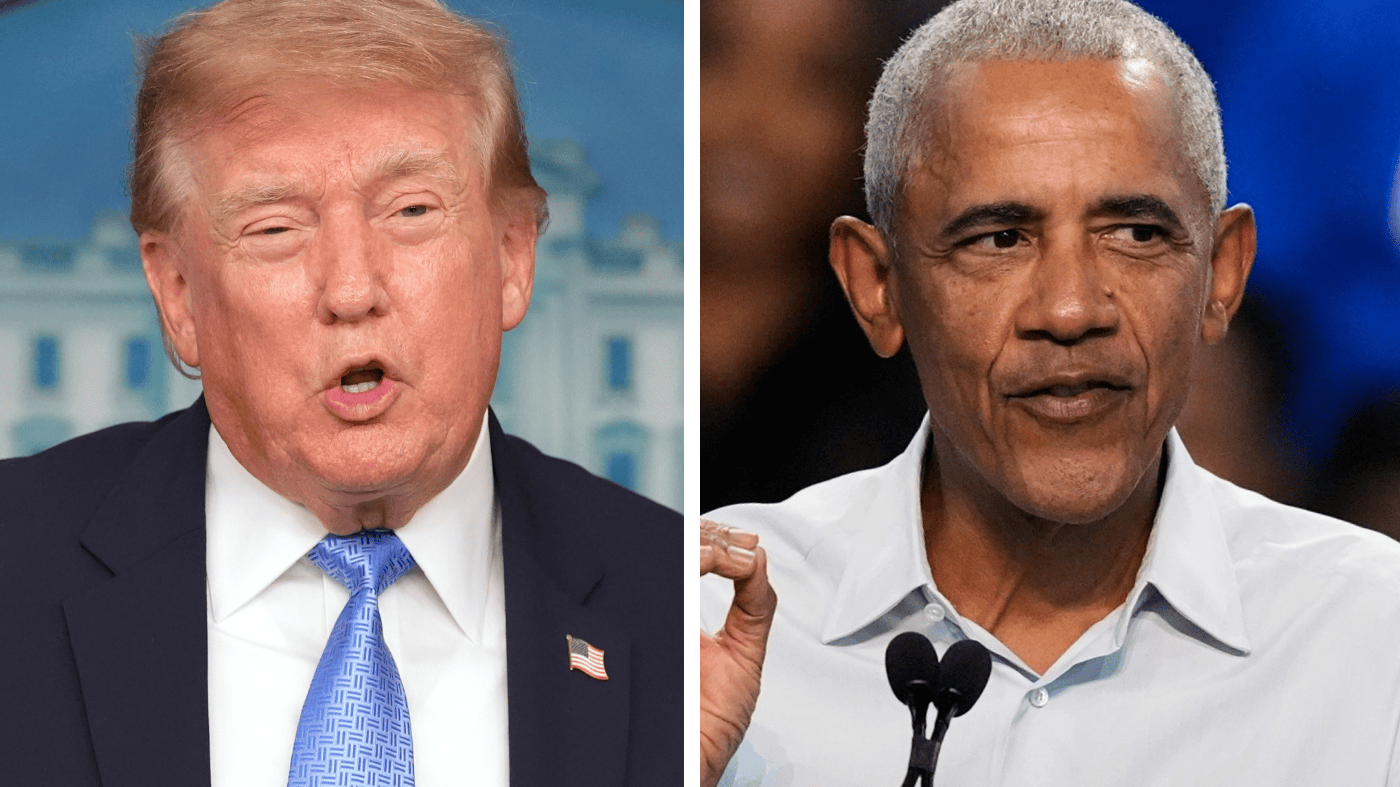
Republican senators are warning that President Trump's aggressive push to use the budget reconciliation process to fast-track $350 billion in Pentagon funding could trigger a government shutdown next month, as bipartisan negotiators work behind the scenes to avert a lapse in federal funding.
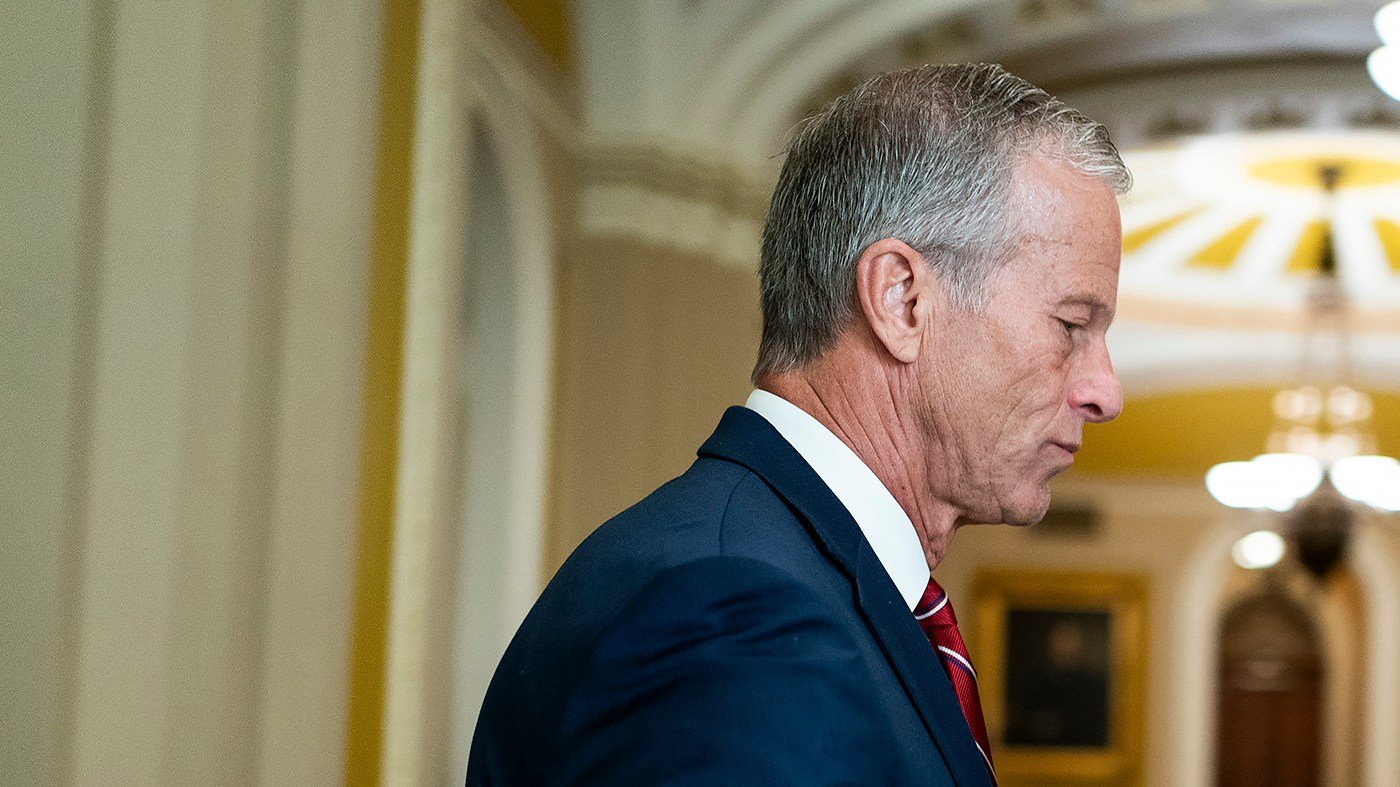
Senators in both parties say a deal is emerging to keep the government funded past the December 11 deadline, but they caution that a reconciliation gambit—designed to bypass a Democratic filibuster—would unravel those efforts. The push comes as Trump pressures Senate Majority Leader John Thune (R-S.D.) to move immediately on a reconciliation package, even as the GOP prepares to cede control of both chambers to Democrats in January.
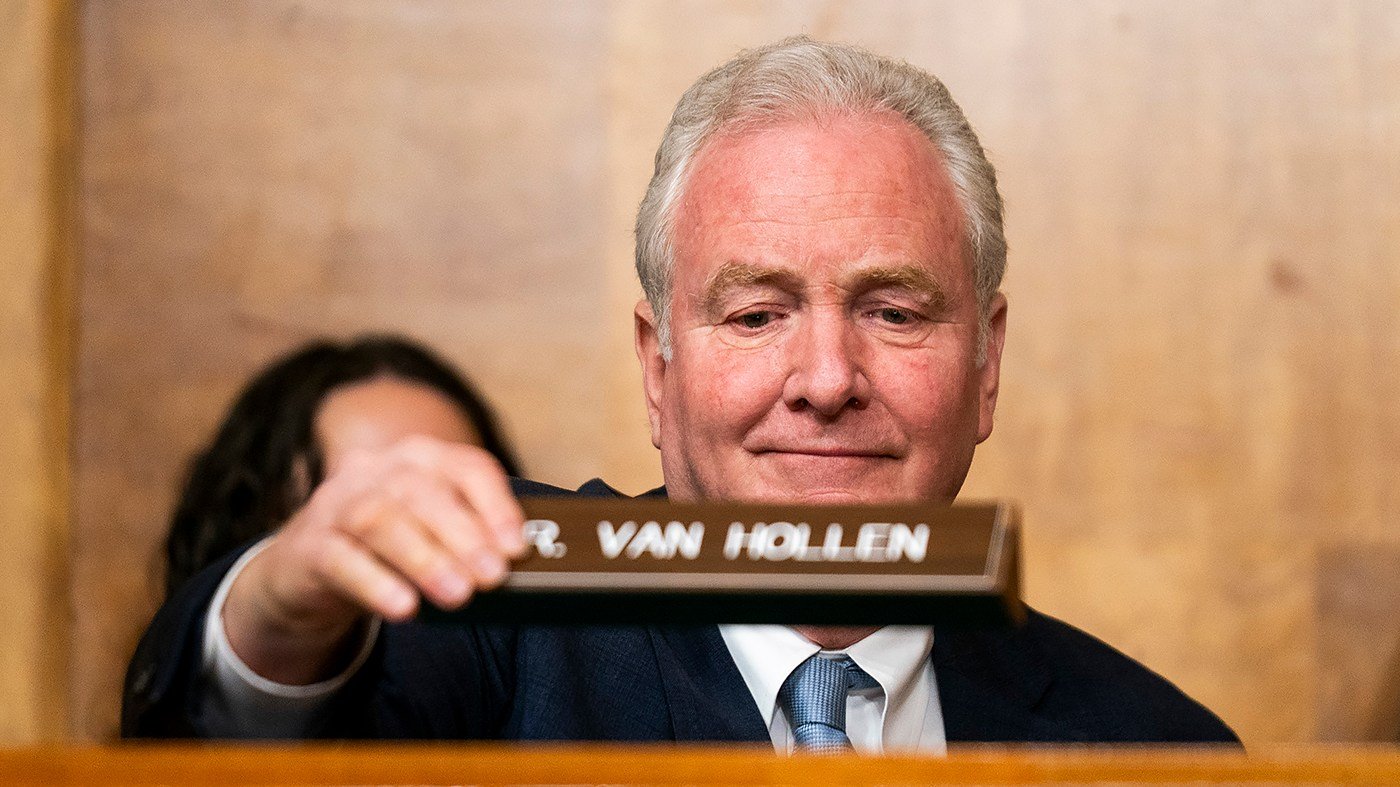
Sen. Mike Rounds (R-S.D.) said that using reconciliation in the lame-duck session "absolutely" increases the risk of a shutdown. He argued that Democrats would simply subtract any reconciliation-add from what they'd otherwise agree to in regular appropriations, making a broader funding deal nearly impossible. "Whatever you put into reconciliation, I think [Democrats] would take out of appropriations," Rounds predicted, warning that such a move would make it "very difficult" to avoid an end-of-year shutdown.
Trump, however, is not willing to accept a smaller Pentagon budget next year. In a Truth Social post on Thursday, he called on Senate leadership to "IMMEDIATELY move" on a $350 billion reconciliation bill, arguing that the incoming Democratic majority is determined to "BLOCK and RESIST this historic investment in our National Security." Republicans have used reconciliation before—last year to pass the One Big Beautiful Bill Act and this year to fund ICE and CBP through 2029—but the tactic is now facing stiff resistance from within the GOP.
Sen. Thom Tillis (R-N.C.), reflecting on the party's losses in last week's elections, said the White House's go-it-alone approach has failed. "The White House is still wanting to go it alone and we saw what that got us 10 days ago," Tillis said, noting the Democrats' sweeping victories. He argued that forcing another partisan reconciliation package would be a mistake unless Democrats refuse a reasonable funding deal, and he warned that such a move could trigger the third shutdown of Trump's second term. "I think it could," he said, adding that internal divisions make it unlikely Republicans can even muster the votes to pass a reconciliation bill.
Senate Democrats have already signaled that a reconciliation push would poison the well. Sen. Richard Blumenthal (D-Conn.) warned that "any kind of tricks or gimmicks certainly threatens a potential agreement," while Sen. Mark Warner (D-Va.) replied "Yes" when asked if it would derail funding talks. A senior Democratic aide echoed that moving supplemental defense funding through reconciliation would undermine the chances of a deal.
Leaders in both parties are currently eyeing a short-term funding measure to keep the government running into April, with incoming Speaker Hakeem Jeffries (D-N.Y.) keen to avoid a fiscal year 2027 fight during the new Congress's first 100 days. A Republican senator, speaking anonymously, said Thune has privately discouraged colleagues from pursuing a partisan reconciliation package in the lame-duck session, prioritizing instead judicial confirmations and government funding. "Thune has been discouraging on reconciliation," the source said. "I think the priority is judges, which you're seeing here, and government funding."
Senate Republicans expect to confirm another 23 of Trump's judicial nominees—four circuit and 19 district judges—before handing over the majority. Thune has also relayed that Speaker Mike Johnson (R-La.) doubts he can pass a reconciliation bill in the House. Thune told reporters he's open to the idea but uncertain about the votes, a sign of the deepening rift between the White House and Senate GOP over strategy as the clock ticks toward the funding deadline.