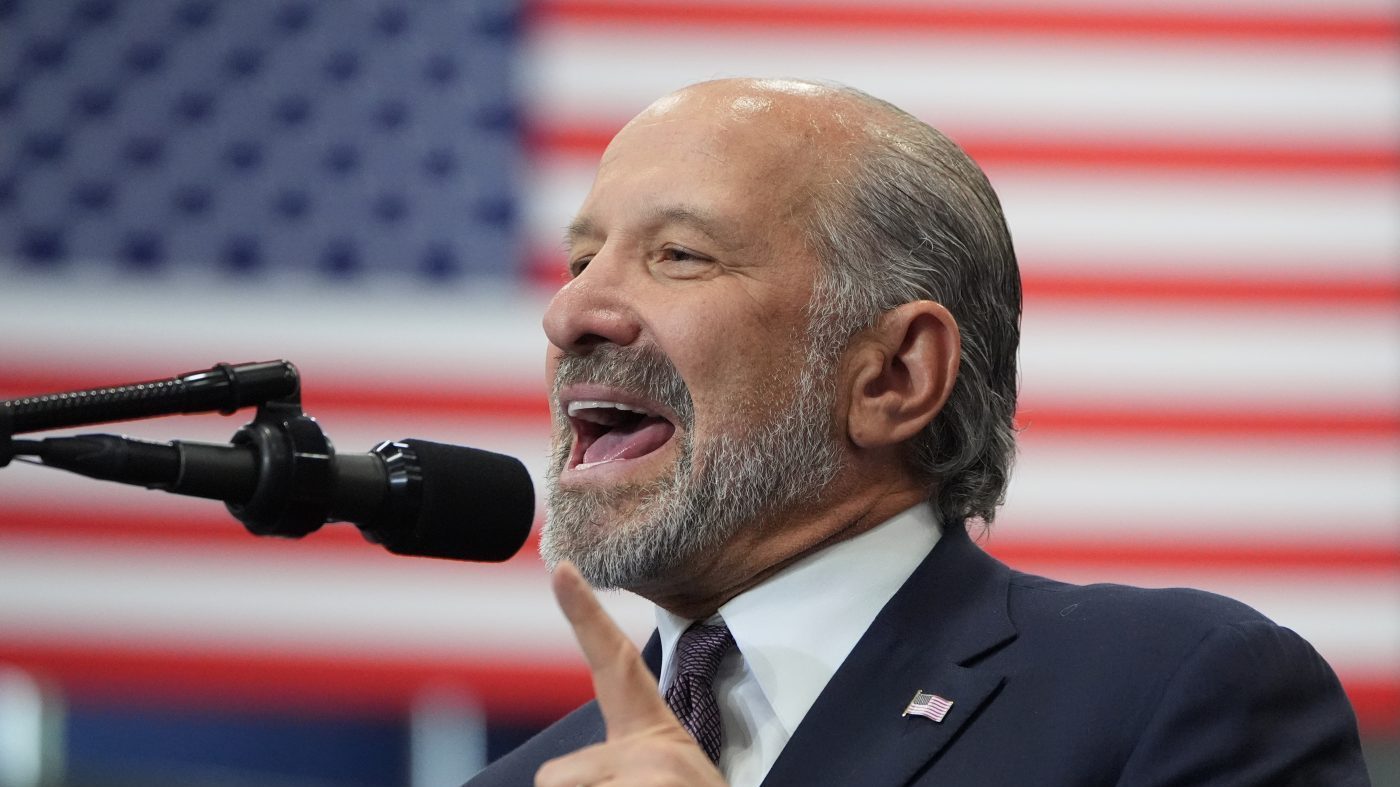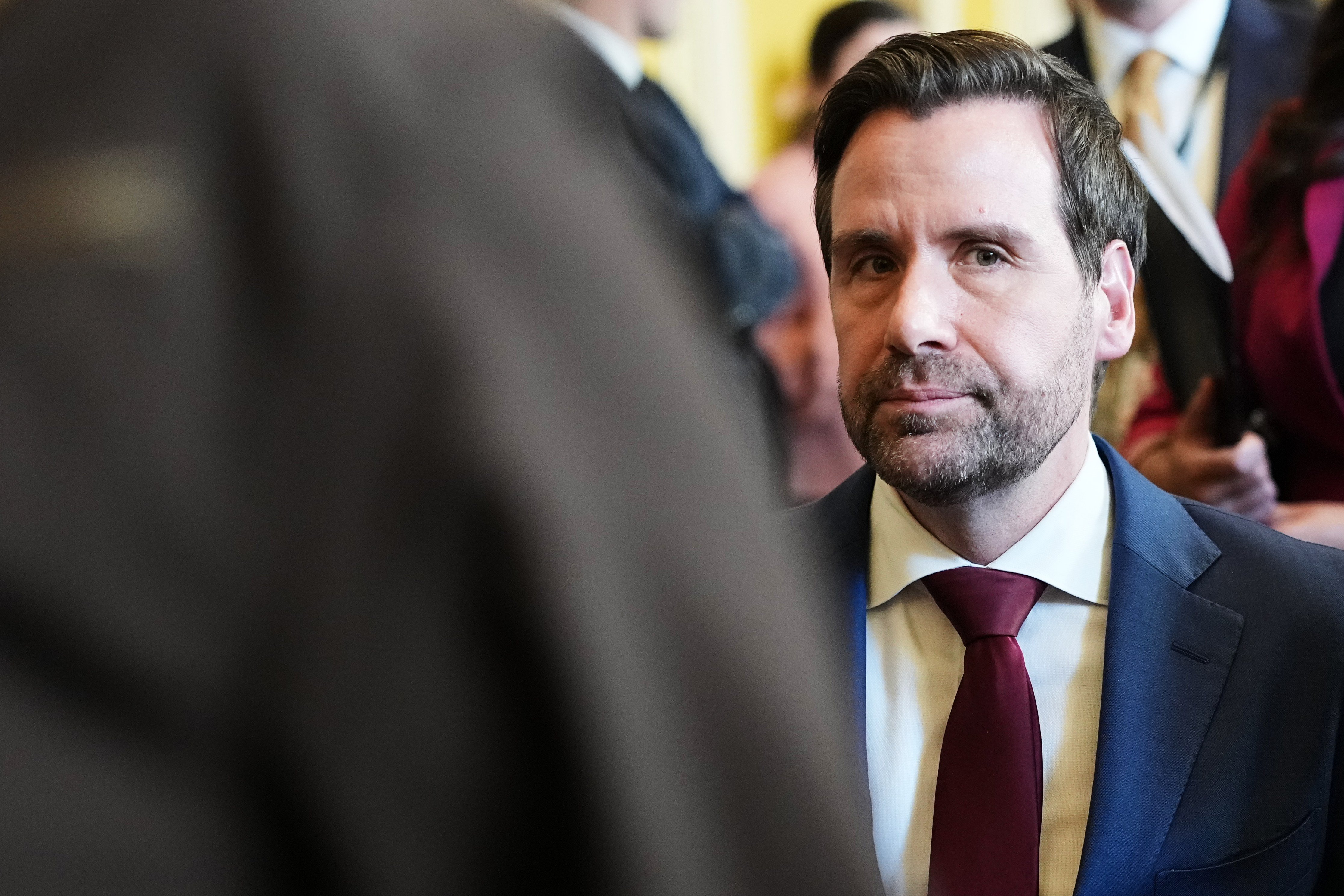
The new Democratic majority on Capitol Hill is being sold to the public as a triumph of centrism, but the reality is far more radical. The party's incoming leadership is stocked with unapologetic progressives who are poised to steer the agenda sharply to the left — a far cry from the pragmatic Democrats of yesteryear.
The so-called 'blue wave' was powered, we're told, by moderate candidates who won in competitive districts. Publications like The Economist and The New York Times have pushed this narrative, and centrist think tanks like Third Way have echoed it. Yet a closer look at the winners and the committee chairs they're installing tells a very different story.
Take Annie Andrews, the new senator from deep-red South Carolina. A physician by trade, she has advocated for gender-affirming care for minors, including puberty blockers — a stance that hardly aligns with traditional moderation. Or Josh Turek of Iowa, who wants to scrap right-to-work laws and hike the federal minimum wage. And Abdul El-Sayed, Michigan's new senator, is a vocal proponent of Medicare for All. These aren't moderates; they're progressives in red-state clothing.
The real power, however, lies in committee leadership. Sen. Elizabeth Warren (D-Mass.) is set to chair the Senate Banking Committee. Warren has built her career on vilifying Wall Street and big corporations, blaming them for everything from high credit card rates to the cost of Thanksgiving turkeys. She's promised to cap interest rates, investigate major banks, and push her 'Stop Wall Street Looting Act' to rein in private equity. Her worldview, as she wrote in Time, is that Democrats won by being 'populist economic fighters' against 'corrupt politicians and corporate interests.'
On the House side, Rep. Maxine Waters (D-Calif.) is expected to lead the Financial Services Committee. Waters has vowed to eliminate a slew of banking fees and revive the Consumer Financial Protection Bureau. But her record is not spotless: the House Ethics Committee once charged her with three counts of violating rules over her intervention with the Treasury on behalf of OneUnited Bank, where her husband sat on the board. The charges were dropped, but she landed on several 'most corrupt' lists.
Meanwhile, Sen. Bernie Sanders (I-Vt.) will take the helm of the Health, Education, Labor and Pensions Committee. The self-described democratic socialist wants to expand Medicare, lower the eligibility age to include children, and add vision and dental coverage. He also aims to nearly triple the minimum wage.
Rep. Robert Garcia (D-Calif.) is slated to chair the House Oversight Committee. He's already threatened Trump allies to 'lawyer up' and backs the Green New Deal, universal child care, and Medicare for All.
The 'moderate' label is a convenient fiction. It ignores the fact that the most consequential posts are going to hard-left figures, and it glosses over the leanings of supposed centrists like Senate Majority Leader Chuck Schumer and House Minority Leader Hakeem Jeffries, both of whom have largely gone along with the progressive agenda. The new Congress is a testament to the party's leftward drift, not its centrist appeal.
The implications are significant: expect aggressive oversight of the Trump administration, legal battles over investigations, and a legislative push that could reshape the economy and healthcare. Schumer's leadership may be tested by an energized progressive caucus, and the future ambitions of figures like Ocasio-Cortez only add to the uncertainty. The party's direction is clear: it's not your grandparents' Democratic Party.