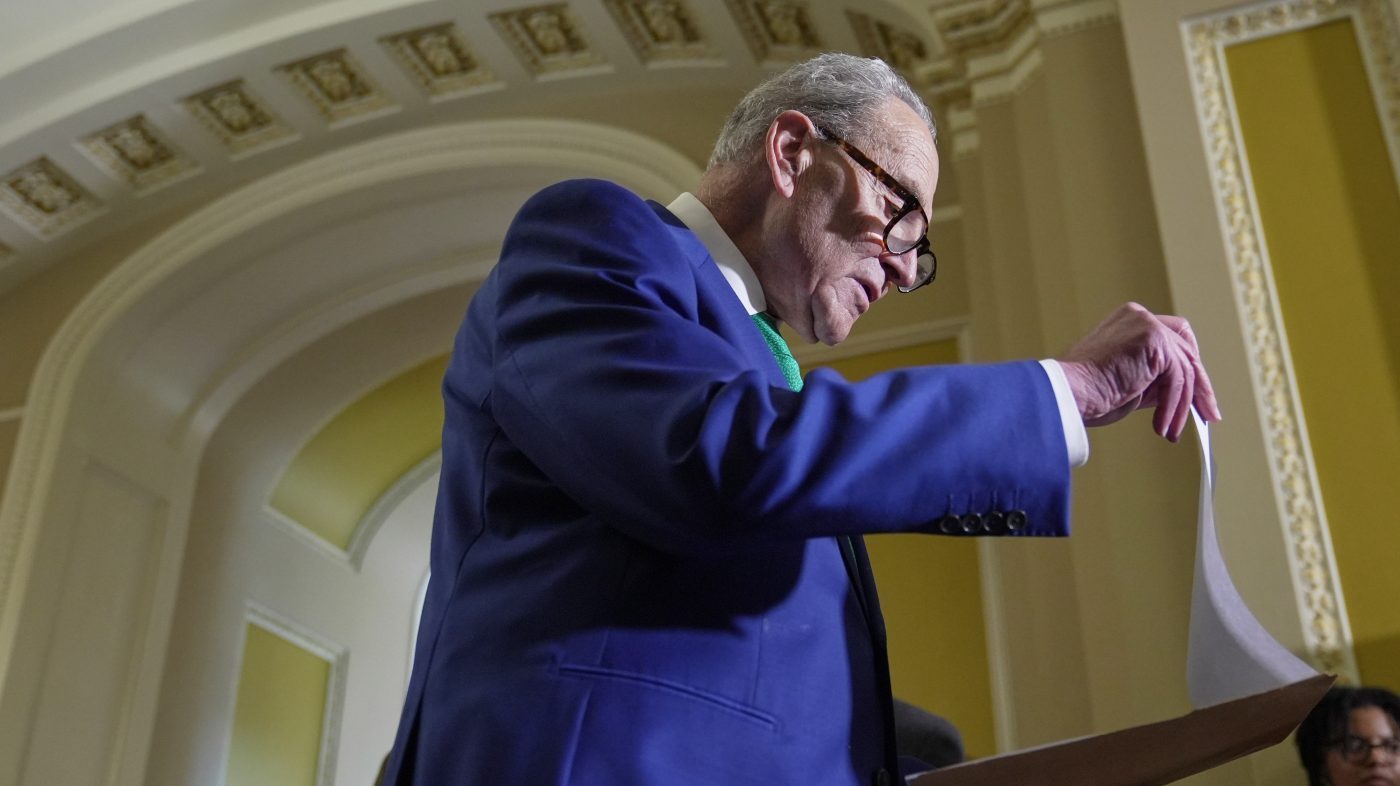
Senate Democratic Leader Chuck Schumer is moving aggressively to stamp out a nascent challenge to his leadership, privately assuring colleagues he has the votes locked in and rolling out a detailed plan for the Democratic Senate majority expected in 2027.
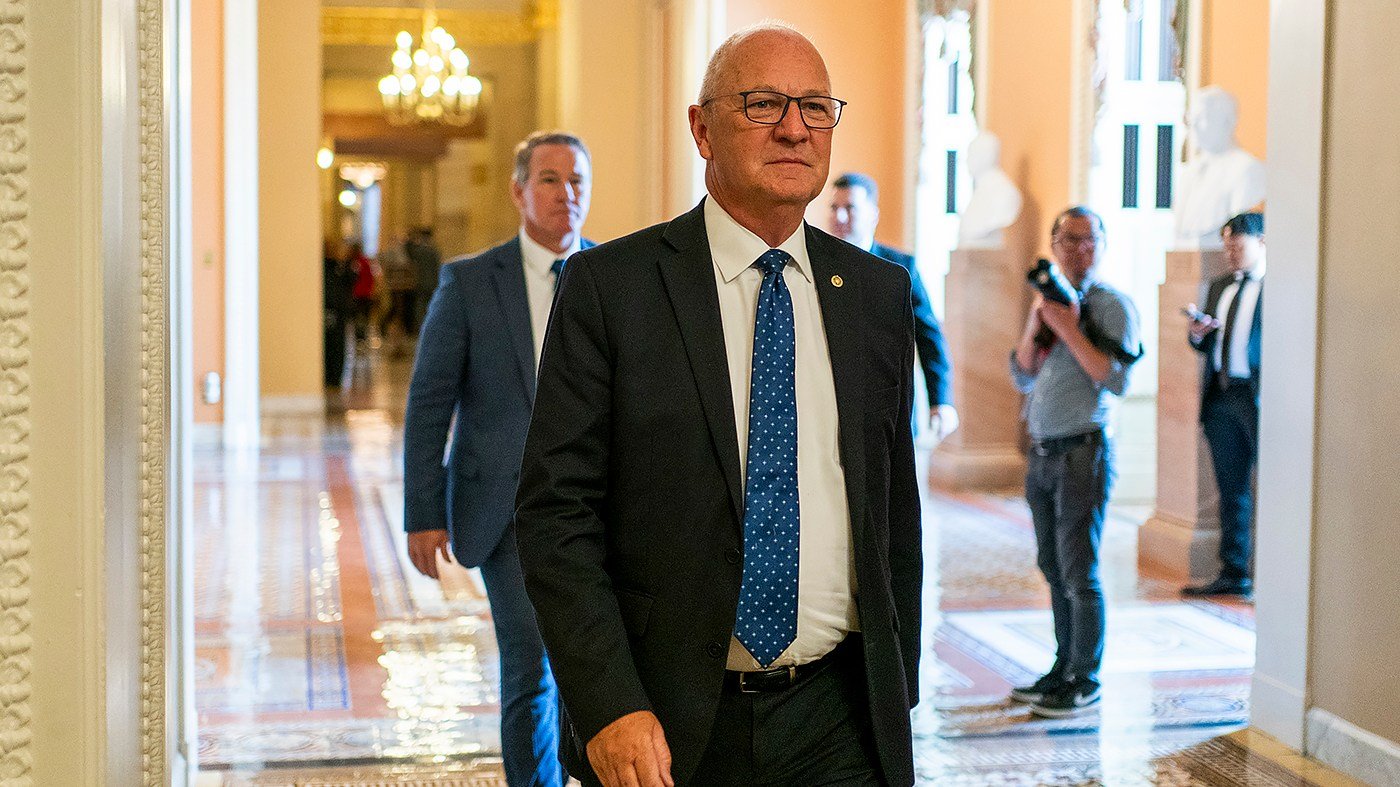
According to multiple Senate Democrats, Sens. Chris Van Hollen (Md.) and Elissa Slotkin (Mich.) have surfaced as potential contenders, though neither has committed to a run, and many in the caucus doubt either will ultimately challenge the veteran leader.

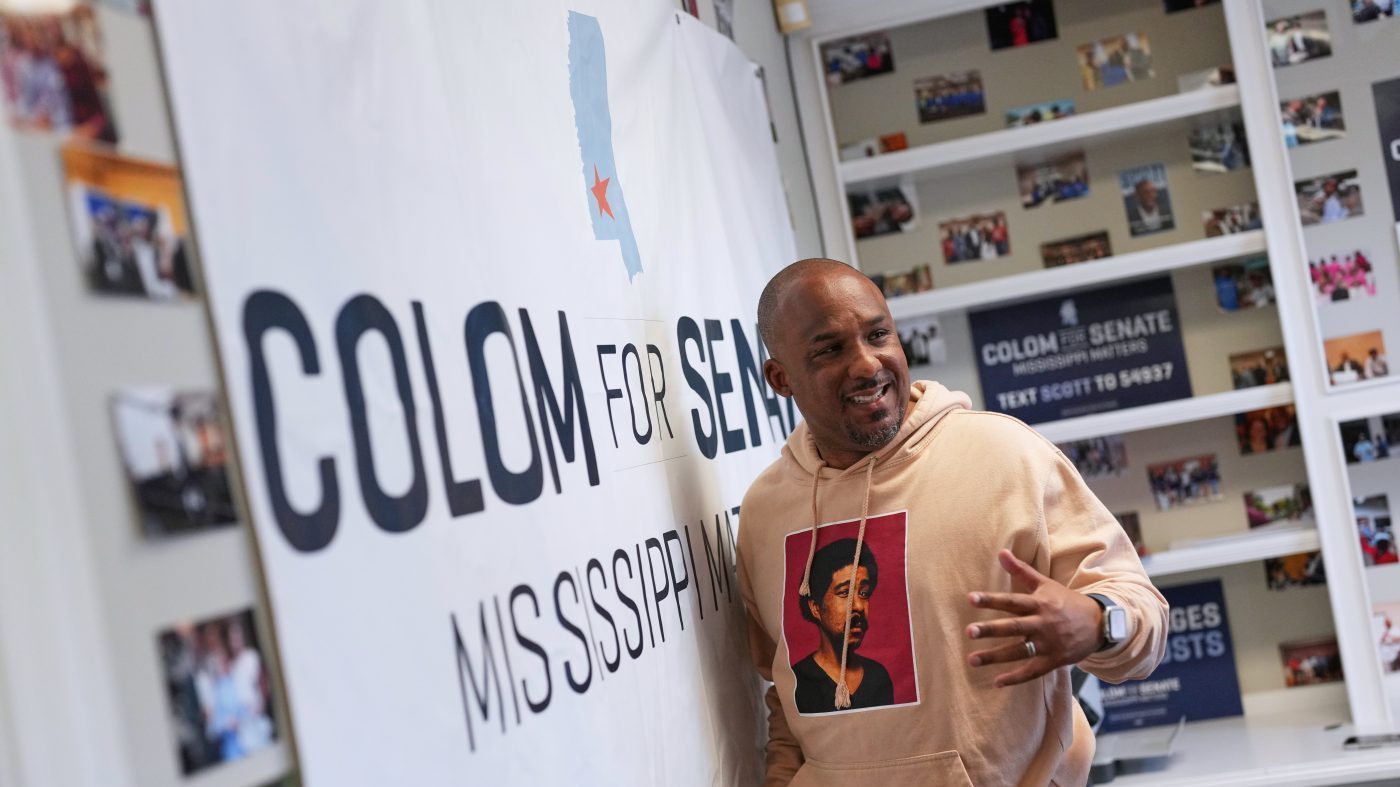
Van Hollen has been sounding out colleagues, while Slotkin reiterated her call for new leadership but said she is “not actively seeking” the post. Schumer, taking the threat seriously, has been meeting with incoming senators, including Adam Hamilton (Kan.) and Chris Pappas (N.H.), some of whom have declined to endorse his reelection.
At a caucus meeting Tuesday, Schumer pledged to give committee chairs and other members more visibility, with one source summarizing his message: “You’re going to see less of Chuck Schumer.” He also emphasized his coordination with incoming House Speaker Hakeem Jeffries (D-N.Y.) on a joint agenda, signaling that replacing him could disrupt that planning.
Schumer’s strategy for the first 100 days includes fast-tracking “down-payment” bills to restore expired health insurance subsidies, reverse Trump’s tariffs, and undo $1 trillion in Medicaid and hospital cuts. He intends to use budget reconciliation to bypass Republican filibusters, forcing Trump to veto popular legislation.
Beyond immediate measures, Schumer outlined “vision bills” on costs, corruption, and democracy reform to shape the debate ahead of the 2028 election. One anonymous senator said Schumer is telling colleagues he has the votes, aiming to deter any challenge before the December leadership vote.
Schumer publicly dismissed the unrest, telling reporters, “The issue is not me. I’ll be reelected as majority leader. But the issue is focusing on the American people.” The anonymous senator doubted a challenge would materialize, citing the immense fundraising burden: “You’ve got to love fundraising.”
Van Hollen, speaking at a “Popular Mandate” event, said he is “actively calling” colleagues and listening to whether they want him to run. He criticized Schumer for opposing primary winners Abdul El-Sayed (Mich.) and Peggy Flanagan (Minn.), arguing the DSCC should stay out of competitive primaries. He also accused Schumer of siding “with the crypto industry and AIPAC against these candidates.”
Van Hollen called for “a little more democracy” in the Senate and the caucus. El-Sayed, one of 12 incoming freshmen, said he would support Van Hollen in a leadership bid. The situation echoes broader Democratic tensions, including internal backlash over the Hegseth vote and concerns about investment gaps. Meanwhile, some progressives like Bernie Sanders and Slotkin have refused to back Schumer, and Sanders has endorsed Van Hollen.