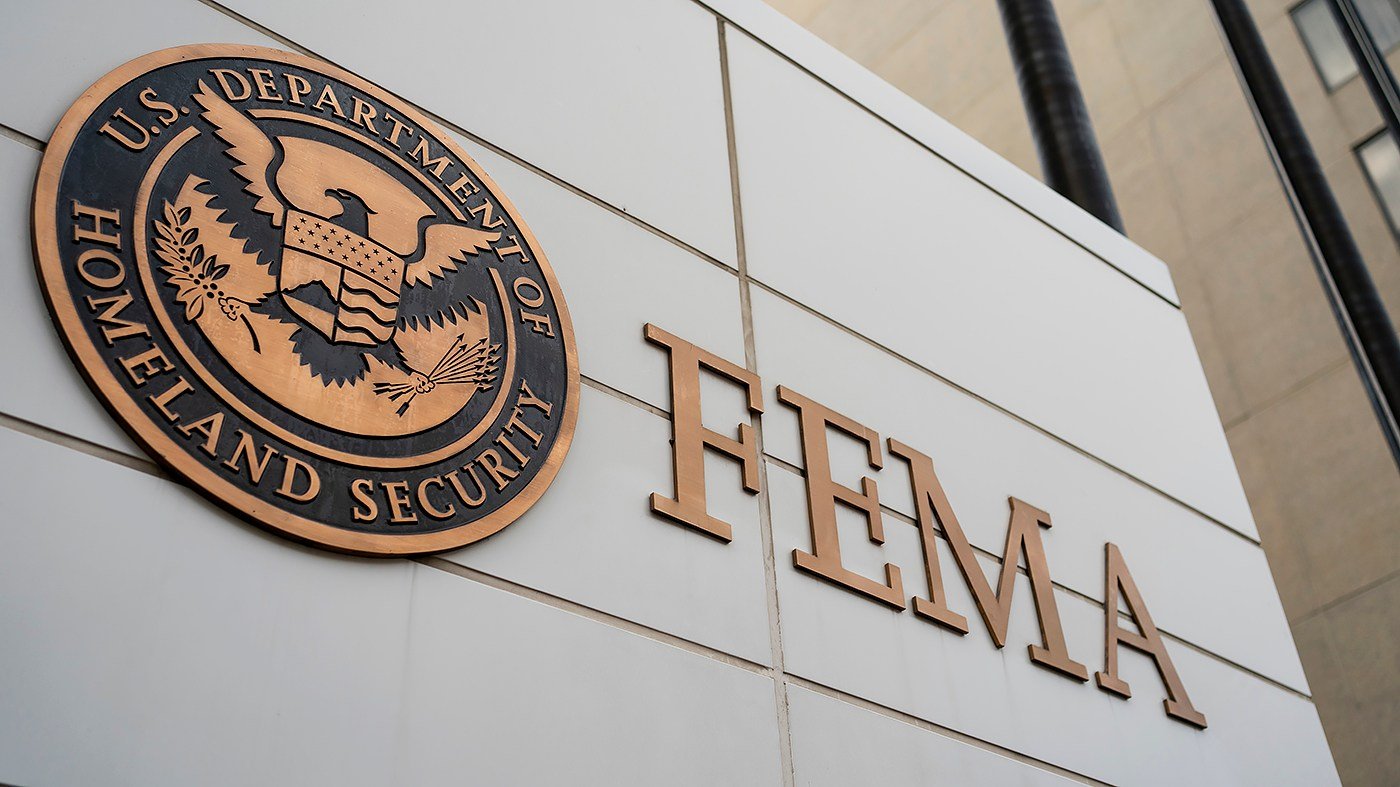
The Trump administration is signaling that the Federal Emergency Management Agency (FEMA) will play a smaller role in disaster response, but states are scrambling for clarity on what that means in practice. During a recent emergency management conference, FEMA Administrator Cameron Hamilton told attendees that states need to assume more responsibility and plan for diminished federal support, according to Michael Coen, who served as FEMA's chief of staff under the Biden administration.
Coen told The Hill that Hamilton's remarks included a timeline: “In a Q&A session, he said within six months.” However, Hamilton did not elaborate on what exactly would change or how much funding might be cut. This lack of specificity has left state emergency management officials frustrated, as they argue they need more time and detailed information to adjust their budgets and operations.
“Some states actually spoke up at some of the breakout sessions and said that they need more time,” Coen said. “They need more definitive information so that they can inform their governor’s office and they can work with their state legislature to plan.”
A FEMA spokesperson, responding from a generic press inbox, pointed to mitigation funding—money used to reduce the impact of future disasters—as an area of focus. “Mitigation investments only achieve their purpose when they move from state accounts to communities,” the spokesperson said, adding that the administration is aligning hazard mitigation approvals with states' ability to execute funds and ensuring that mitigation plans reflect the programs' statutory intent. The spokesperson also emphasized that “federal assistance is meant to support state and local response, not to replace it,” and that FEMA's primary focus is on empowering communities to lead disaster response and recovery.
Politico first reported, based on a recording, that Hamilton told attendees at the National Emergency Management Association conference that “every state must have the appropriate financial reserves” to begin recovery efforts without waiting for a federal disaster declaration. He expressed hope for fewer federal declarations “because the capability of states is so high and so substantial,” and mentioned a “national mutual aid” system where states assist each other. He reiterated that changes could begin “in the next six months.”
This is not the first time the Trump administration has floated scaling back FEMA's role. President Trump has long criticized the agency's costs, and his administration previously considered eliminating FEMA altogether before backing away from that idea. However, the six-month timeline appears to be new, raising alarms among state officials.
Former Washington Governor Jay Inslee, a Democrat, called the timeline unrealistic. “You can’t budget something for just six months from now. If they’re going to do this, they need to give state and local communities years to readjust their entire financial plans,” he said. Inslee warned that cutting federal funding would mean “less school for kids or more taxes for taxpayers locally, or the death of these communities that can never be rebuilt,” and described the sudden shift as “vindictive.” He noted that Washington operates on a biannual budget, making planning even more challenging.
Karen Langdon, a spokesperson for the National Emergency Management Association, which represents state and territory emergency management directors, said the group “supports changes that expedite disaster assistance to impacted communities and individuals, but it’s important to recognize that state-level legislation may be required for new appropriations, staffing, and other resources to take on greater responsibility.” She added that some states may need multiple legislative cycles due to biennial legislatures, and noted that Hamilton “stressed the need to reduce risk and build capability at the state and local level” but that “no specific timelines were officially announced.”
Annie Mack Vest, who recently stepped down as executive director of the Oklahoma Department of Emergency Management, told The Hill in October that states could adapt to changes but need to know what is coming and be able to provide input. “The states should know and the state should be able to provide feedback,” she said. “I want FEMA to get it right, and I’m hopeful that they’re taking that time to do so, and that means getting good feedback from the states.” Vest noted that Oklahoma has been working to become more self-sufficient, particularly after devastating tornadoes in spring 2024 prompted a “resilient recovery strategy” that leverages the full scope of state employees.
As the administration moves forward, states are left balancing the need for federal support with the push for greater self-reliance. The coming months will reveal whether FEMA follows through on its timeline and how states cope with potentially reduced assistance. For more on how the administration is reshaping federal roles, see our coverage of federal land transfers to states and shifting GOP dynamics on Capitol Hill.