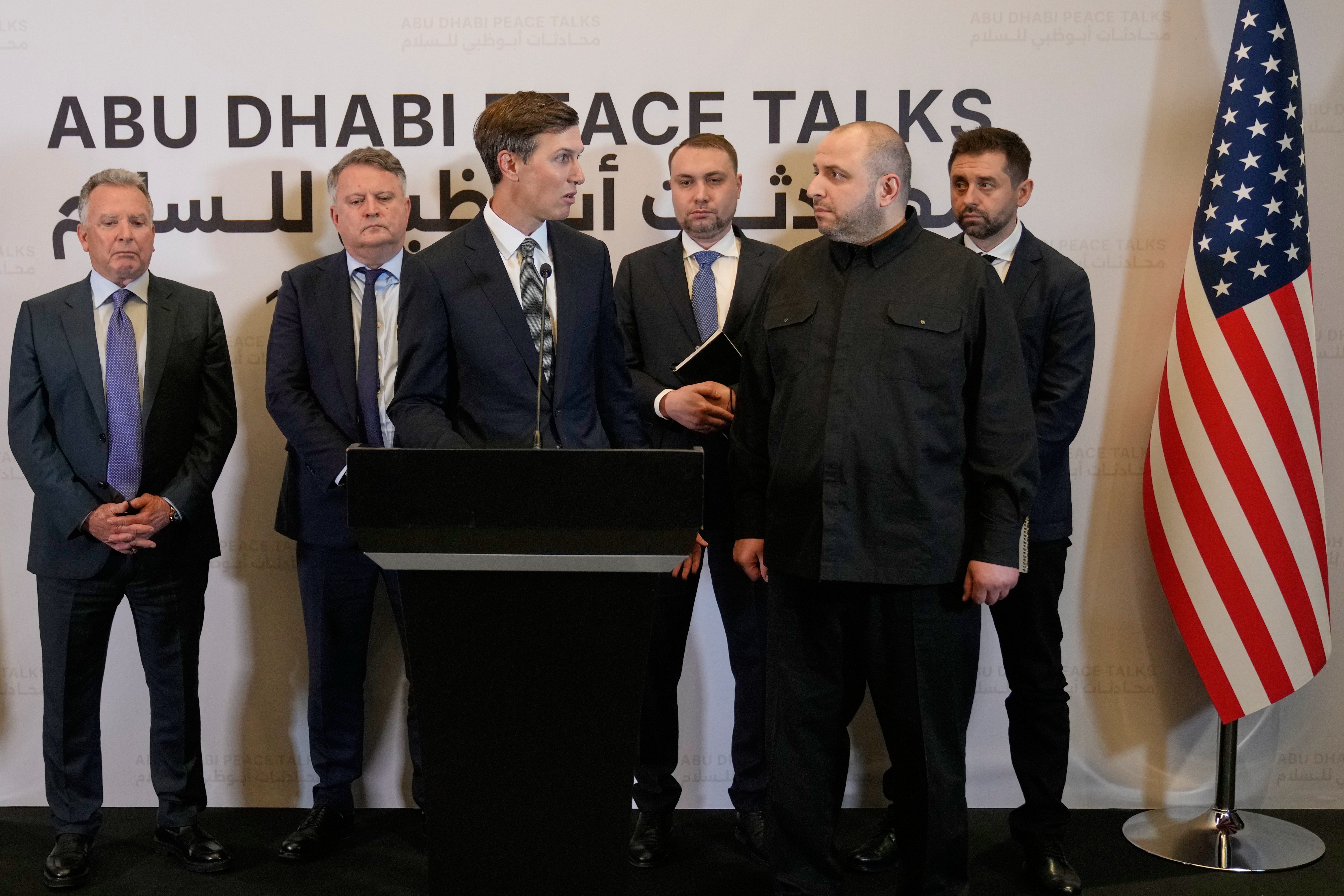
Steve Witkoff and Jared Kushner, President Trump's special envoys, were decisively outmaneuvered by Russian negotiators during the trilateral peace talks in Abu Dhabi, according to national security analysts. Moscow used the forum not to seek peace in Ukraine but to drive a wedge between the United States and its European allies and to open a debate on NATO's future.
Russian President Vladimir Putin has long claimed that NATO's eastward expansion provoked his invasion of Ukraine. In a 2021 essay, he accused the West of turning Ukraine into an "anti-Russia" and preparing it as a "springboard against Russia." These arguments, repeated in his interview with Tucker Carlson, are a smokescreen for a war that is really aimed at the West and at dismantling the NATO alliance, which blocks Putin's ambitions to restore a Soviet-era sphere of influence.
In Abu Dhabi, Witkoff and Kushner fell into Putin's trap by agreeing to discuss Europe's post-war security architecture — a euphemism for NATO — and by allowing Russia to have a say in the alliance's future. They also agreed to keep European allies out of the negotiating room, a decision that mirrors the disastrous Yalta Conference of 1945, where the Allies divided Europe and set the stage for the Cold War.
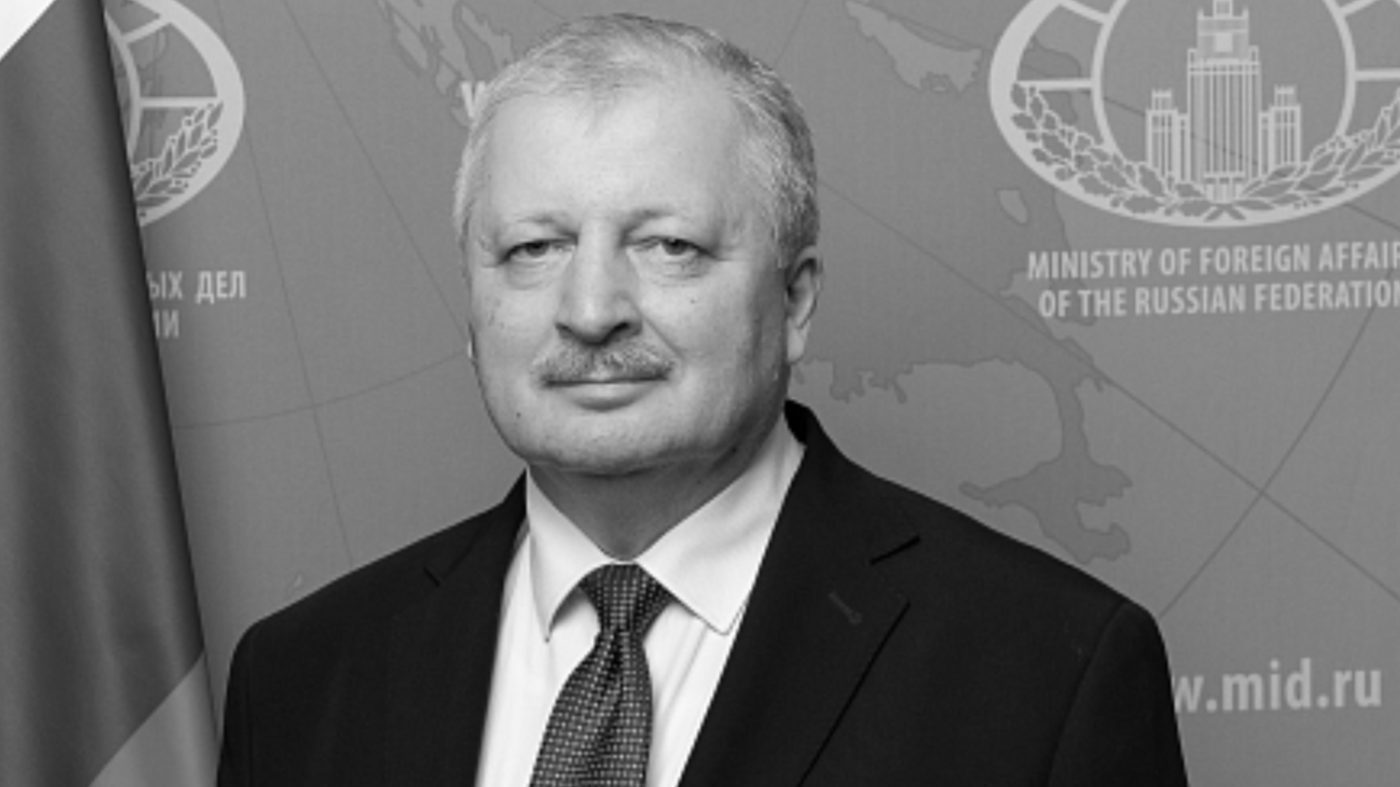
Russian chief negotiator Vladimir Medinsky openly mocked the European delegation, including NATO Secretary General Mark Rutte's chief of staff Geoffrey Van Leeuwen, suggesting they meet at a bar instead. Russian Foreign Minister Sergey Lavrov called it "reasonable" for Moscow to discuss Europe's security structure, a clear attempt to weaken it.
Despite Russia's aggressive posture, its military is suffering catastrophic losses in Ukraine — 1.6 million casualties so far, including 2,580 in a single day this week. Yet Moscow acts as if it holds the upper hand, and the Trump envoys have given it that impression.
European leaders have pushed back. EU High Representative Kaja Kallas dismissed the talks as pretense, noting that "We already have a European security architecture in place. NATO and the European Union both have their respective roles." She added that Ukraine must be integrated into that architecture.
One U.S. official at the talks, NATO Supreme Allied Commander Gen. Alexus Grynekewich, also saw through Russia's games. He has said Ukraine can win and called it "essential to Euro-Atlantic security." Analysts argue that Grynekewich, not Witkoff or Kushner, should be leading these negotiations, as his job is to defend NATO, not barter it away.
The Abu Dhabi talks have raised alarm among U.S. allies and lawmakers, with some warning that the administration's approach could unravel the post-war security order. As one POW swap agreement was announced, the broader implications for NATO unity remain a growing concern.
Critics say the envoys' inexperience and willingness to engage on Russia's terms have handed Putin a propaganda victory. The question now is whether the damage can be undone before NATO's summit next year.