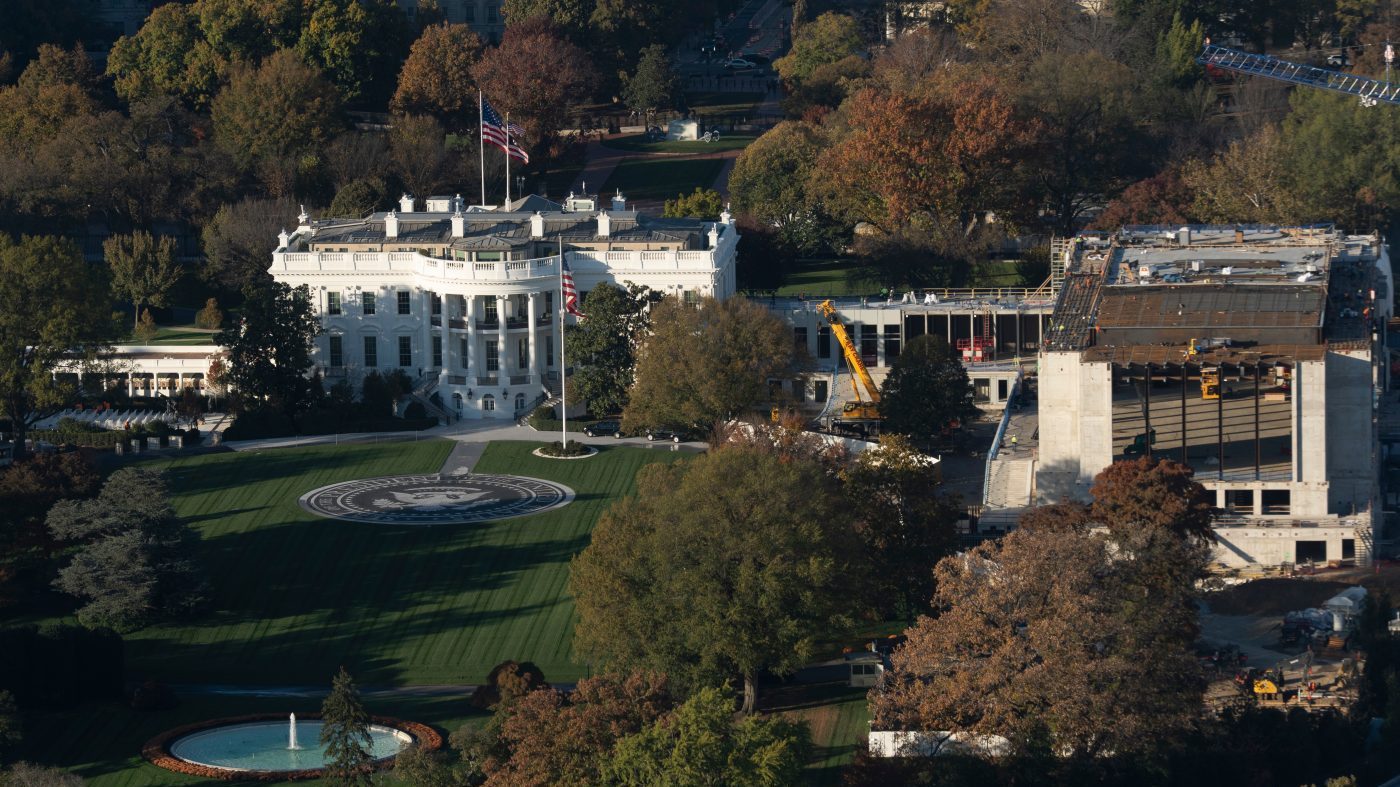
The 119th Congress gaveled back into session this week after a five-week recess for the midterm elections, returning to a Capitol Hill transformed by a Democratic surge. The party flipped 44 House seats and, with two Senate races still undecided, has already gained seven, handing President Trump's Republican majority a stinging rebuke and setting the stage for a divided government.
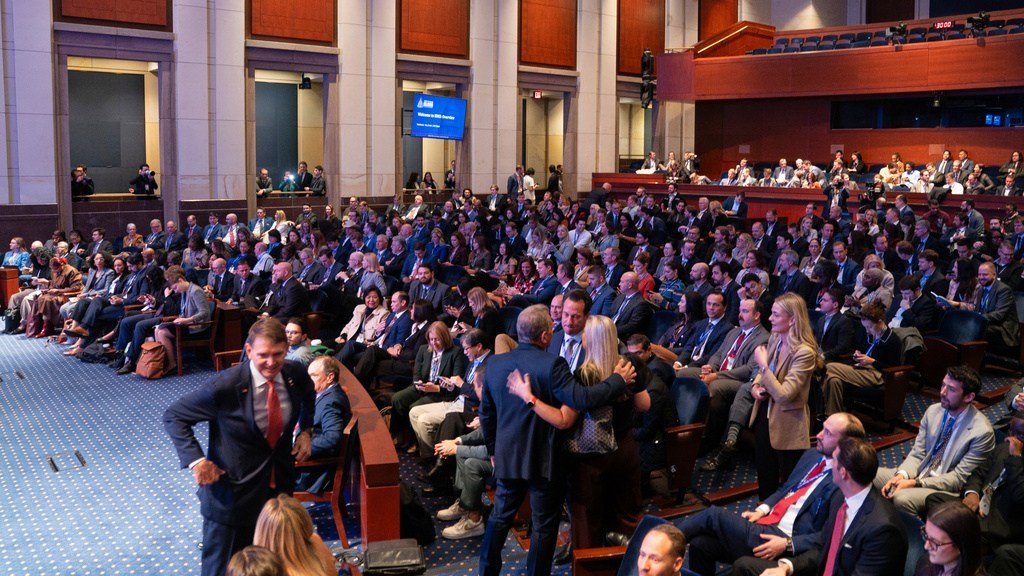
With just 20 legislative days remaining in the session, lawmakers face a daunting to-do list, from funding the government to addressing expiring tax provisions. But the atmosphere is anything but routine. Nearly 120 new House members—a quarter of the chamber—are on Capitol Hill for a 10-day orientation, learning the procedural ropes, drawing office assignments by lottery, and absorbing lectures on ethics, staffing, and legislative process.
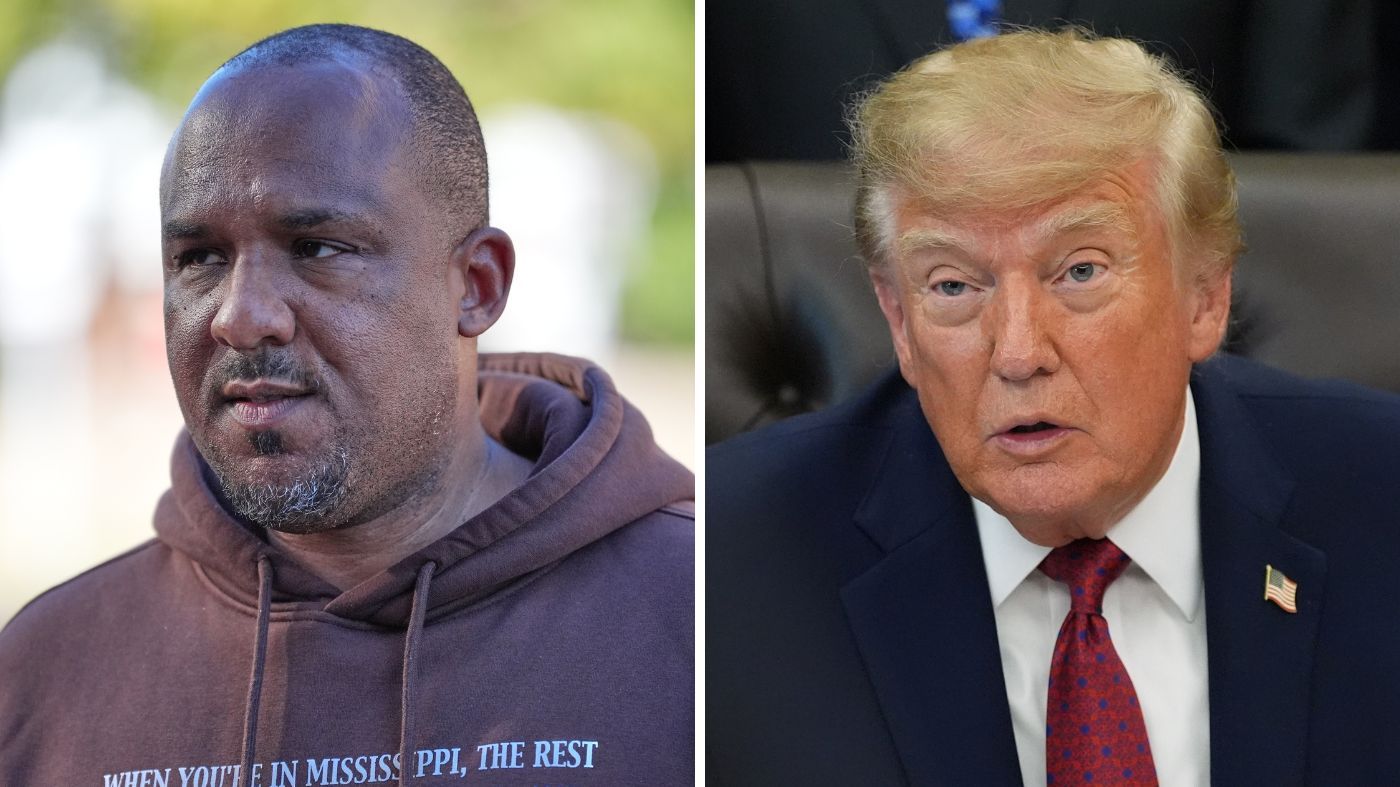
The influx follows a wave of retirements and primary defeats: 74 open seats, with 42 vacated by Republicans and 32 by Democrats. Outgoing members are preparing for their final votes and paychecks, while the newcomers are already jockeying for influence. The transition has been hectic, but it also injects fresh energy into a body often criticized for gridlock.
President Trump, who closed his campaign at the Lincoln Memorial reflecting pool—a symbol, he claimed, of his promise to “fix Washington”—now faces a political reality far less flattering. The pool itself, plagued by a flaking blue bottom and algae, has become a metaphor for his administration's mismanagement. Despite his insistence that vandalism caused the damage, investigations point to shoddy workmanship and no-bid contracts tied to golf-course pool repair firms. New cracks have appeared, and the pool's two-tone blue now mirrors the electoral map that delivered a “blue shellacking” to his party.
The question now is how the two parties will govern with Republicans controlling the White House and Democrats controlling Congress. Optimists speak of a “reckoning,” but neither side has articulated a clear strategy. Instead, both seem entrenched in blame-shifting. The president's decision to elevate Stephen Miller, a combative hardliner, as chief of staff suggests more confrontation than compromise.
“There are show horses and work horses,” observed Don Wolfensberger, a 28-year congressional staff veteran and former chief of staff of the House Rules Committee. “Today, the show horses circle aimlessly, while the work horses stand idle, having ceded authority to the executive.” Wolfensberger, author of Congress and the People and Changing Cultures in Congress, argues that Congress has voluntarily surrendered power, and the last two years of Trump's term may see little change.
Yet public opinion, captured in pre-election polls, shows overwhelming support for bipartisan cooperation on issues that matter to ordinary Americans. Many candidates, from both parties, campaigned on exactly that promise. The hope, then, rests on the incoming class—the “frosh” who can claim a mandate to break the cycle.
As orientation continues, watch for signs of optimism and fresh alliances. The new members, unburdened by old grudges, may just provide the spark Washington needs. But with leadership battles looming and the Democratic leadership under pressure, and Republicans grappling with how to respond to the midterm rout, the path forward remains uncertain.
For now, the 119th Congress is a study in contrasts: old hands packing boxes, new members finding their way, and a president digging in. The coming weeks will test whether the institution can rise above partisan rancor to deliver for the people who sent them there. Democratic leaders are already mapping strategy, while the president eyes new battles. The stakes could not be higher.