Elon Musk's SpaceX unveiled plans Thursday to pour more than $74 billion into constructing two massive data centers, one in Texas and one in Arizona. The company framed the projects as a boon for local communities, a message aimed at defusing the growing political backlash against data center expansion.
In a statement, SpaceX said the investments would “expand local tax bases, generate substantial new revenue for schools and public services, and create economic opportunities that extend far beyond the facilities themselves.” The announcement comes as data centers have become a flashpoint in state and local politics, with critics raising concerns about energy use, water consumption, and strain on public infrastructure.
Texas and Arizona sites detailed
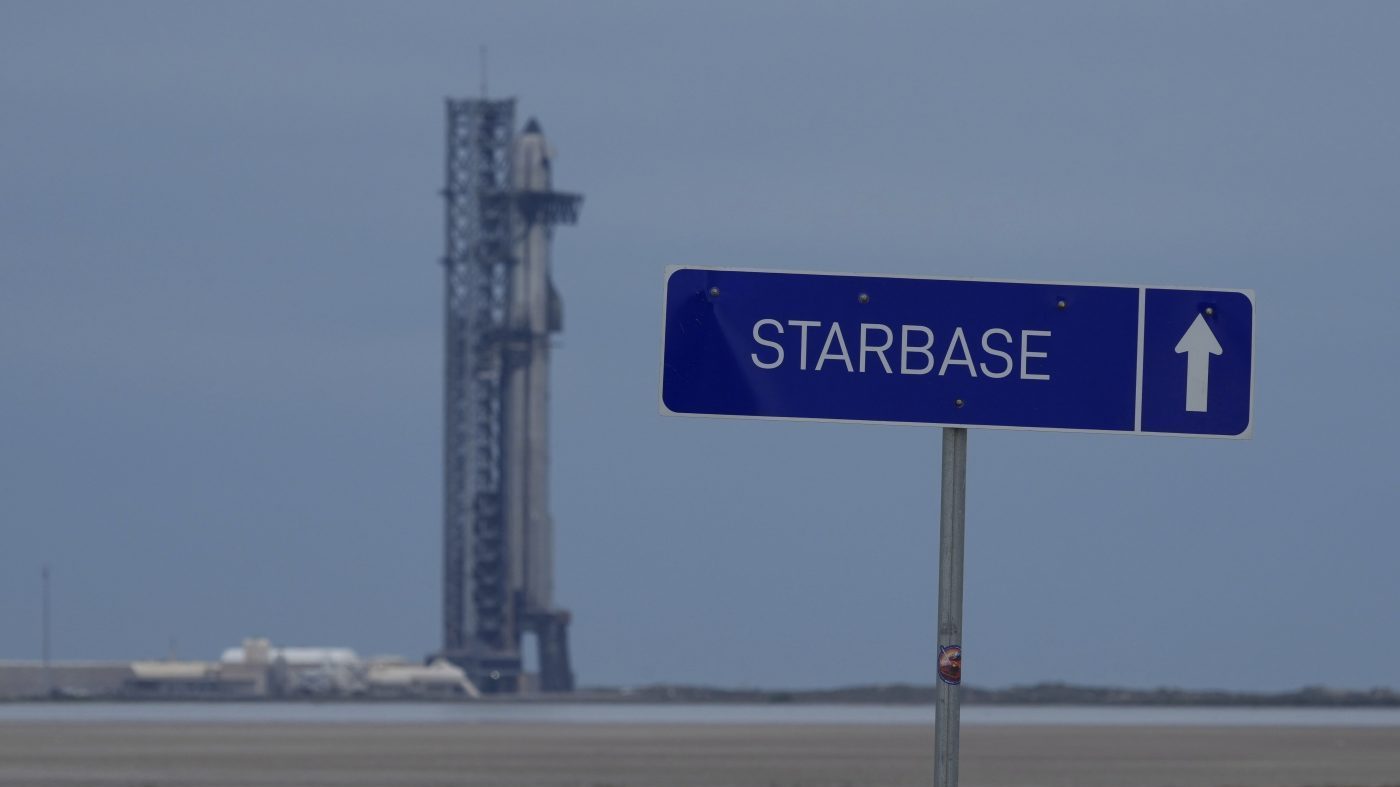
The larger of the two projects is slated for Cochise County, Arizona, a rural area east of Tucson near the Mexican and New Mexico borders. SpaceX said it would invest roughly $50 billion there. The Texas project, valued at more than $24 billion, will be built in the Rio Grande Valley, expanding the company's Starbase headquarters in Cameron County—a coastal community Musk incorporated in 2025.
Both facilities are expected to create hundreds of permanent jobs after construction, and SpaceX emphasized environmental stewardship. The Texas site will generate its own power and includes a $220 million investment to expand water supplies in nearby Brownsville. In Arizona, the company said it would work with local electric cooperatives and could help reduce electricity bills, using dry cooling technology that avoids water consumption.
“They require strong partnerships with local communities, responsible environmental stewardship, and stable, competitive policies that give companies the confidence to make long-term investments,” the company said.
Political context and backlash
Data centers became a major issue in this year's midterm elections, particularly in Texas. Governor-elect Gina Hinojosa (D) hammered outgoing Governor Greg Abbott (R) over the rapid growth of data centers under his watch. Abbott eventually ordered a pause on new data center construction pending a statewide audit, a move that put him at odds with some in his own party.
The details of SpaceX's Texas project appear to align with at least some of Abbott's demands, though the company did not address the moratorium directly. Musk was deeply involved in Texas politics this cycle, spending hundreds of millions to back Republican Ken Paxton in the Senate race. Paxton lost to Democrat James Talarico by more than 12 points.
The data center debate does not split neatly along party lines. While many national Republicans, including the president, have urged a hands-off approach to the AI boom, a Pew Research poll earlier this year found that 54% of GOP voters would be uncomfortable with a new data center in their area. Among Democrats, that figure rose to 68%.
Some lawmakers see room for bipartisan action at the federal level. On Wednesday, Republican Senator Josh Hawley of Missouri called on his Senate colleagues to pass a moratorium on new data centers, an idea that has also gained traction among some Democrats. Meanwhile, voters in several states approved local moratoriums, raising economic concerns about the long-term impact on job creation and tax revenue.
SpaceX's announcement is likely to intensify the debate, as the company positions itself as a responsible corporate citizen even as it pushes forward with projects that many communities view with suspicion.