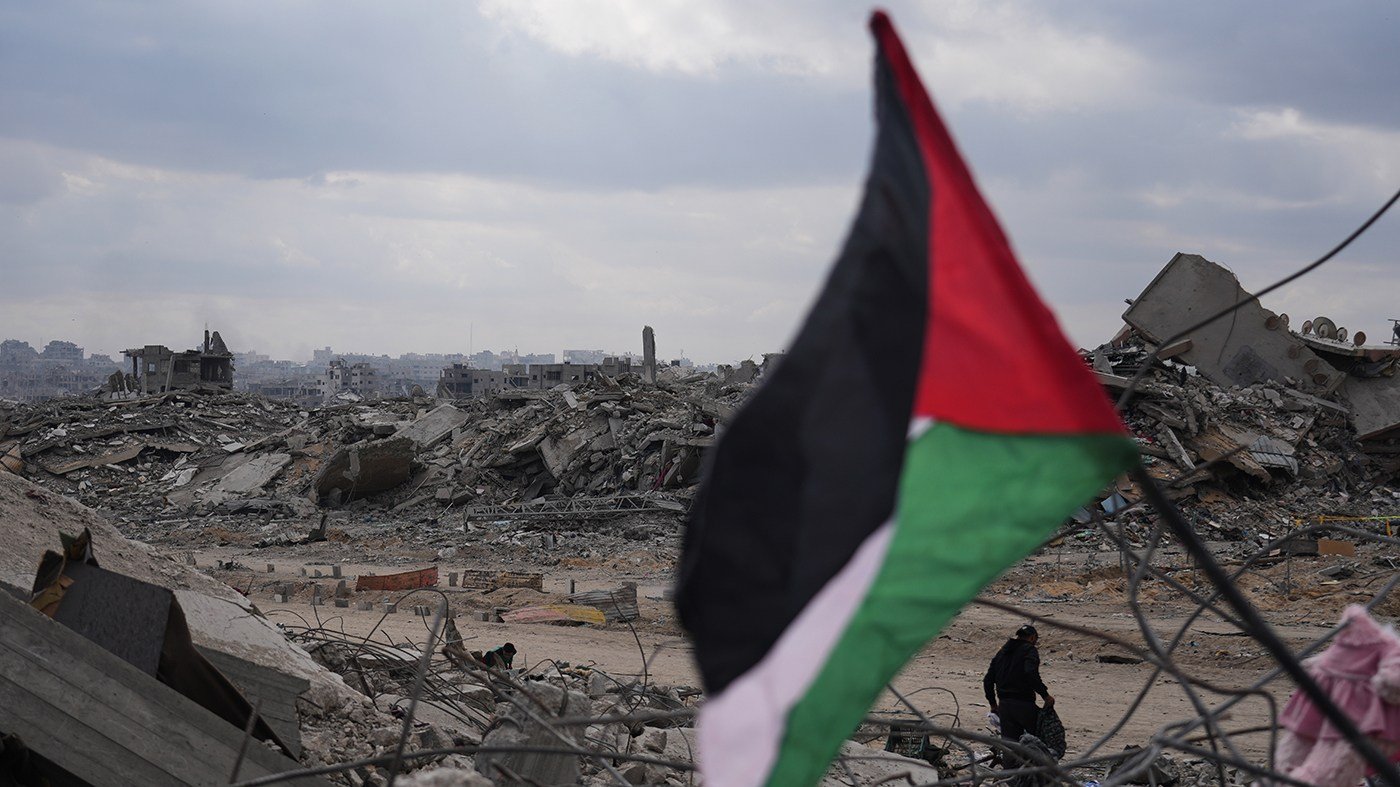
For months, the world watched the war in Gaza through the lens of Palestinian photographers and journalists who risked their lives to document the devastation. One of the most celebrated was Motaz Azaiza, whose images of suffering earned him international acclaim and millions of followers. But new disclosures are raising uncomfortable questions about how much control Hamas exerted over the information that reached Western audiences.
In a September interview with podcaster Ahmed Biqawi, Azaiza revealed that on October 7, 2023, he encountered a Hamas Qassam Brigades vehicle carrying Israeli hostages. As Gaza residents gathered and began beating the captives, Azaiza filmed the scene. Yet he never published the footage, explaining that he feared Israel would use it to identify and target those involved. This admission is striking for a journalist whose reputation was built on bearing witness to the war.
Azaiza's rise was meteoric. Before October 7, he had roughly 25,000 Instagram followers; within months, his audience grew to millions. He was named Man of the Year by GQ Middle East, included in TIME's 100 most influential people, and awarded France's Liberty Prize. His photographs documented Gaza's destruction, but his Western admirers were unaware that he had also recorded evidence of violence against Israelis and deliberately kept it from public view.
In the same interview, Azaiza described how journalists in Gaza had grown accustomed to lowering their cameras when residents criticized Hamas. He spoke of a WhatsApp group called Smart, reportedly administered by a Hamas-affiliated media figure, through which journalists communicated. These disclosures reveal a troubling pattern: information is withheld, criticism suppressed, and journalists intimidated into silence.
Western journalists are familiar with the fog of war—when facts are incomplete, witnesses are traumatized, and independent access is limited. But Azaiza described a far more deliberate process that determines how some information is disseminated and some is suppressed. He had access to evidence, recorded it, and chose to keep it unseen. He also described pressures that could discourage other journalists from publishing or airing criticism of Hamas.
The implications for Western newsrooms that relied heavily on reporting from Gaza are significant. How much did their audiences know about the pressures on those supplying the information? And how carefully did they scrutinize the people presenting themselves as journalists? A September review by the Committee to Protect Journalists offers another reason to ask. The organization removed 22 individuals from its database of journalists and media workers killed during the conflict—19 of them were identified as militants or combatants. Some had even been identified as fighters by Hamas or Palestinian Islamic Jihad. How did people later identified as combatants come to be counted among the journalists killed in the war?
Qatar-based Al Jazeera reportedly dismissed 24 Gaza-based employees amid a lawsuit alleging the network provided support to Hamas and Palestinian Islamic Jihad. Meanwhile, the coverage had an effect on millions of Americans' judgments about Israel. In 2021, Gallup found that 58 percent of Americans sympathized more with Israelis than Palestinians, compared to just 25 percent who sympathized more with Palestinians. By February 2026, 41 percent expressed greater sympathy for Palestinians and 36 percent for Israelis. A May Pew survey found increasingly negative American views of both the Israeli government and Israeli people, while views of Palestinians remained comparatively stable.
For three years, Americans consumed images and accounts from a war where the information environment was far less independent than many may have understood. These revelations should prompt a serious examination of the information that reached Western audiences. It should lead to questioning about what was omitted and how confidently news organizations presented information they could not independently verify. Yet an even more uncomfortable question remains: Is anyone willing to reconsider the story they have already accepted?