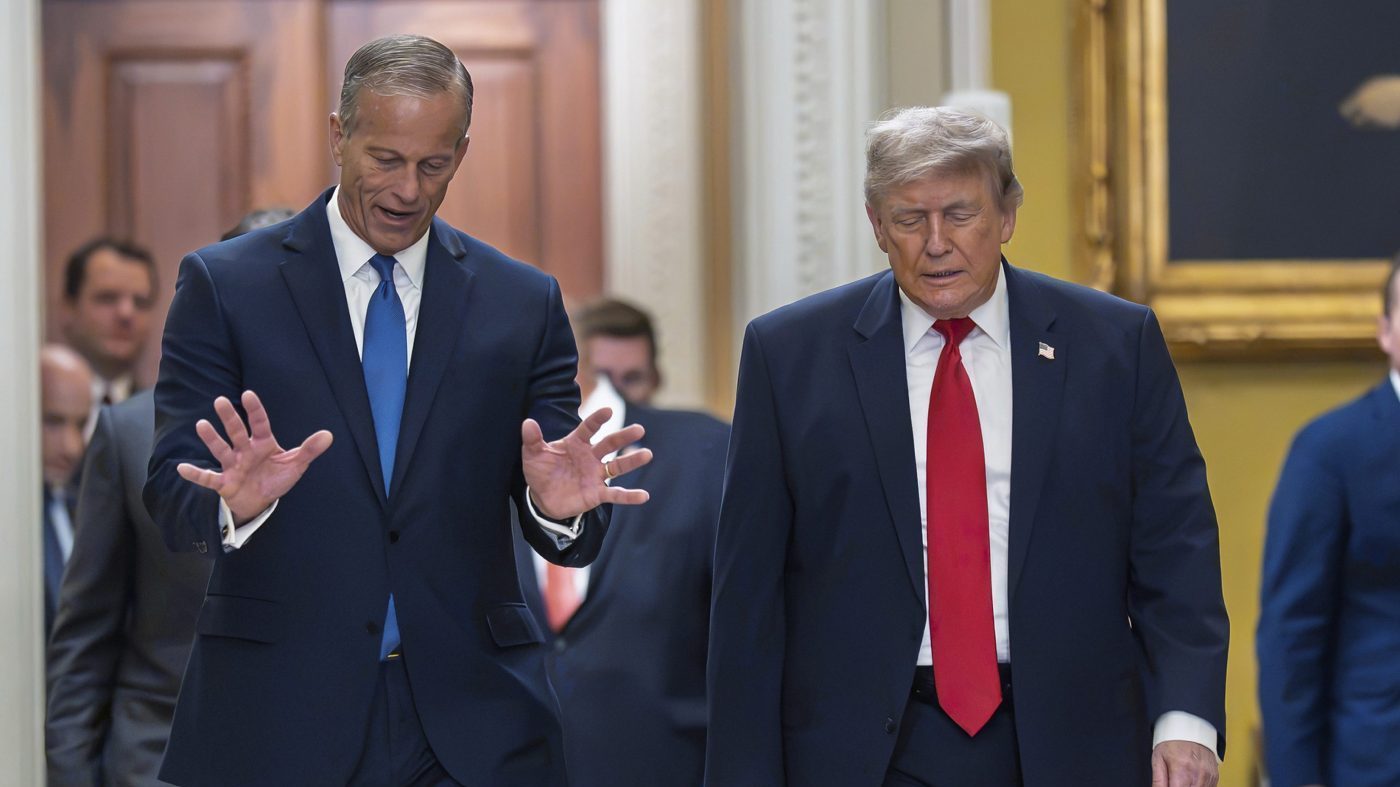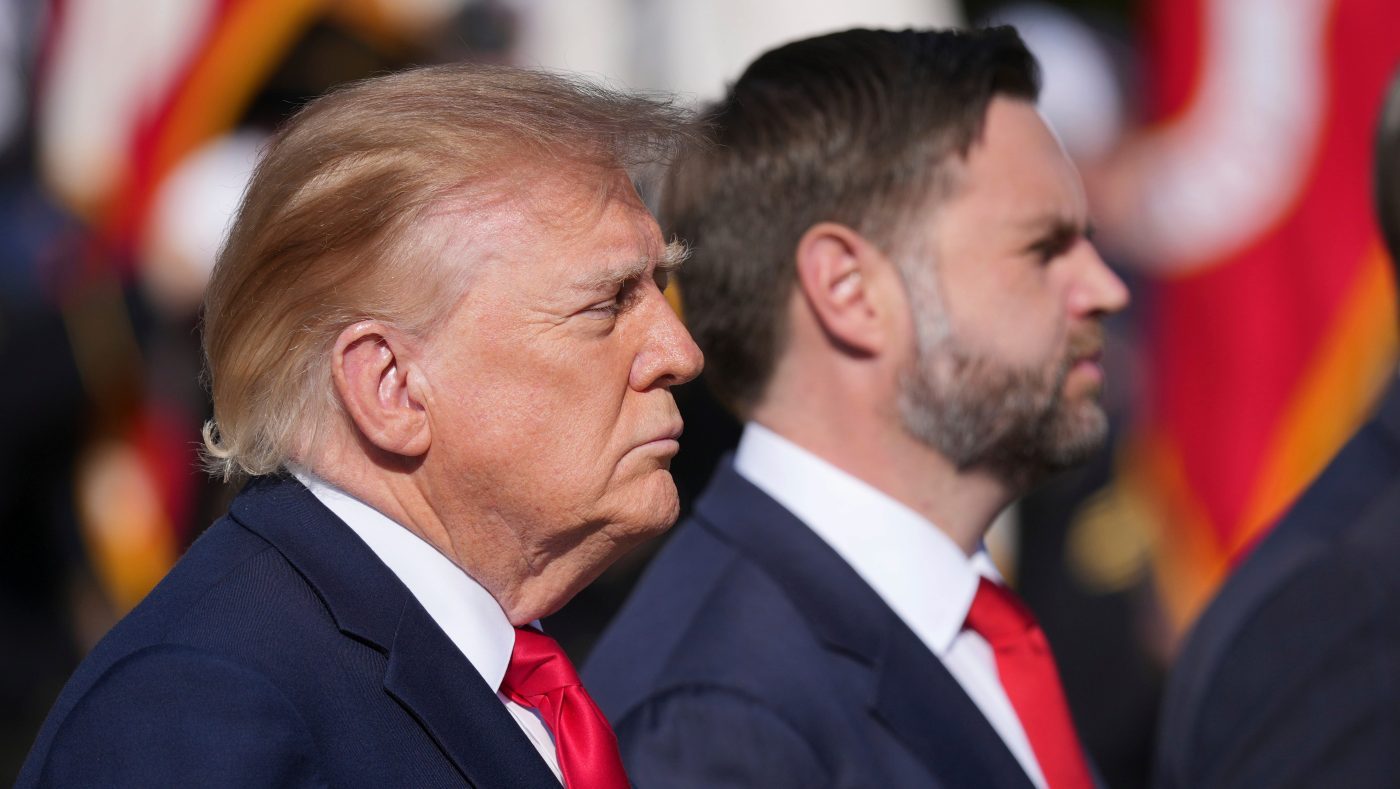
President Trump has declared the military phase of the Iran conflict “effectively over” and insisted the United States has “won,” even as the Pentagon continues to burn through billions of taxpayer dollars each month to maintain a large forward presence in the region. The president’s remarks came during a Veterans Day ceremony at Arlington National Cemetery and in a surprise White House briefing, where he framed the campaign as a success while acknowledging ongoing talks to finalize a broader agreement.
Despite the administration’s optimistic tone, the financial ledger tells a different story. According to the Congressional Budget Office, the total cost of the Iran operation stood at roughly $47.1 billion as of mid-October. That figure includes $38 billion accrued in the first five months of the conflict, from late February through the start of August, and an additional $9 billion added over the subsequent three months—a period that saw only sporadic, defensive strikes by U.S. forces against Iranian targets.

That works out to roughly $2 billion to $3 billion per month in recurring expenses, according to Mona Yacoubian, director of the Middle East Program at the Center for Strategic and International Studies (CSIS). She warned that the price tag could climb sharply if fighting intensifies. “The war is not over,” Yacoubian told The Hill. “If there is a spike in conflict, war costs will also spike.”
The largest single driver of those costs is the naval blockade of Iran’s ports in the Strait of Hormuz, now in its fourth month. Maintaining that blockade requires a constant rotation of aircraft carriers, destroyers, and support vessels, along with tens of thousands of service members who need fuel, food, and other supplies. Yacoubian described it as “a 24-7 operation” that involves diverting ships, intercepting others, and protecting friendly vessels—all of which carry significant logistical and financial burdens.
In early November, the U.S. military had two aircraft carriers, eleven destroyers, and a cruiser in the Arabian Sea, plus two destroyers in the Red Sea and three more under the Sixth Fleet in the Mediterranean, according to the Institute for National Security Studies. The blockade has also forced the Pentagon to carry out limited defensive strikes, such as the Nov. 2 attack on an anti-aircraft site on Qeshm Island after Tehran fired a missile at an American aircraft.
Beyond operational spending, the Pentagon faces an estimated $65 billion in costs to repair or replace military facilities damaged or destroyed by Iranian attacks—a figure not included in CBO estimates, Yacoubian noted. The Trump administration is now requesting up to $70 billion in emergency military funding to cover war costs and replenish weapons and personnel.
Trump has insisted that U.S. allies in the region will reimburse Washington for the conflict. “Those countries that we’ve protected are going to pay us back any and all costs that we’ve had for the war,” he said in a CBS News interview. But so far, there is no public evidence of such payments, and the administration has not detailed a mechanism for collecting them.
The continued chokehold on the Strait of Hormuz has also kept fuel prices elevated for American consumers, a factor that Republican lawmakers acknowledge contributed to their losses in the midterm elections. The National Energy Assistance Directors Association projects heating costs will average $1,002 this winter, up 7.1 percent from last year, with households relying on heating oil facing an average bill of $2,977—a 70 percent jump.
As talks with Iran continue, the president said fresh attacks are “highly unlikely” if negotiations progress, but Iranian President Masoud Pezeshkian has accused Washington of threatening to use its largest non-nuclear bomb. The situation remains fluid, and the financial toll of the “effective” end of the war is still mounting.