The United States has now recorded 10 measles-related deaths this year, following new fatalities confirmed in Pennsylvania and Wisconsin. The developments mark a troubling milestone in the resurgence of a disease that was declared eliminated in the country two decades ago.
According to the latest data from the Centers for Disease Control and Prevention (CDC), measles cases have surpassed 5,400 in 2026 — more than double the roughly 2,300 cases reported for all of 2025. The sharp increase has been driven largely by outbreaks in communities with low vaccination rates.
Pennsylvania's Department of Health confirmed that the state's latest death, its seventh of the year, occurred in an unvaccinated individual. Wisconsin officials reported that a child had died, but did not release additional details. The Wisconsin death is the first pediatric measles fatality in the state in decades.
Pennsylvania remains the epicenter of the national outbreak, accounting for more than 1,500 cases — over a quarter of all infections nationwide, according to the state's dashboard. The state has also reported its first case of congenital measles — transmission from mother to newborn — in decades, prompting a warning to physicians last month.
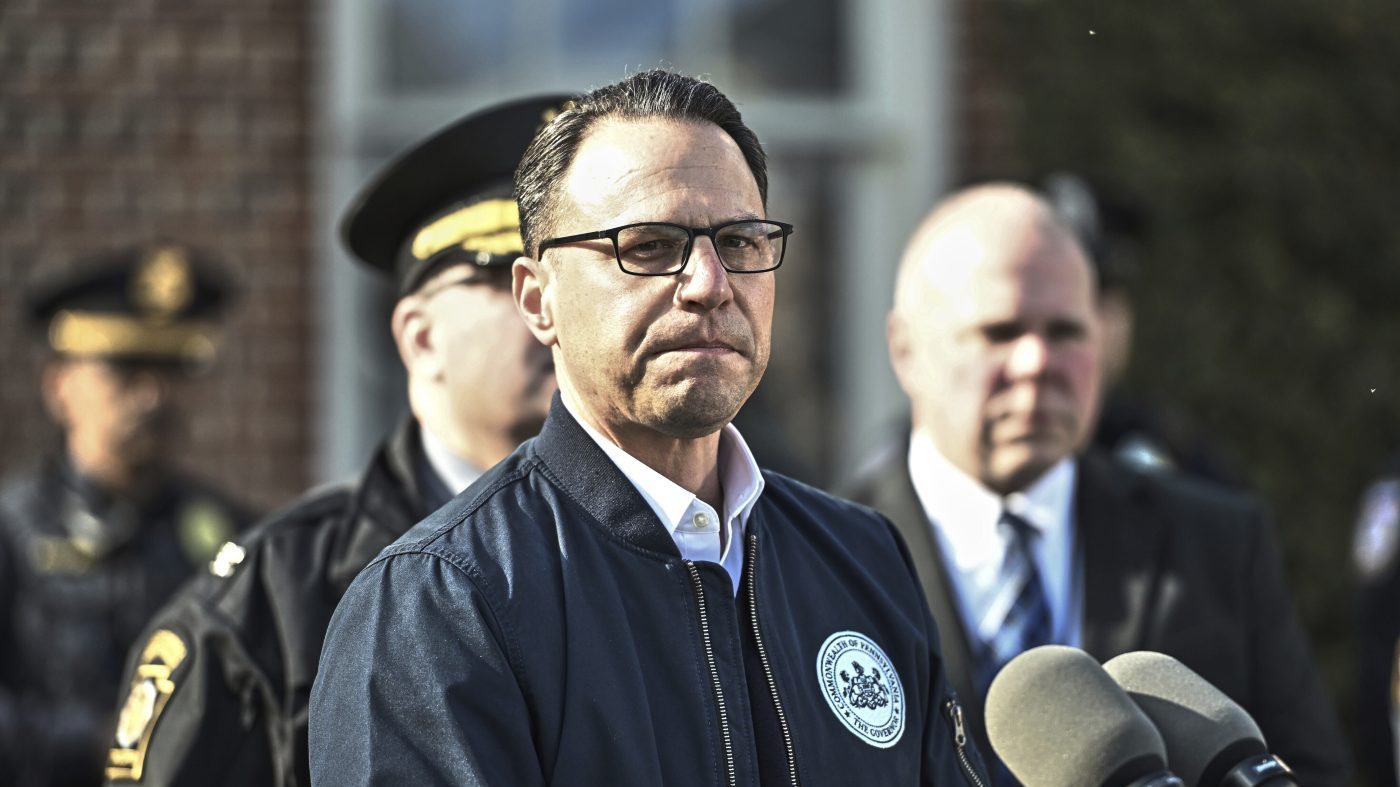
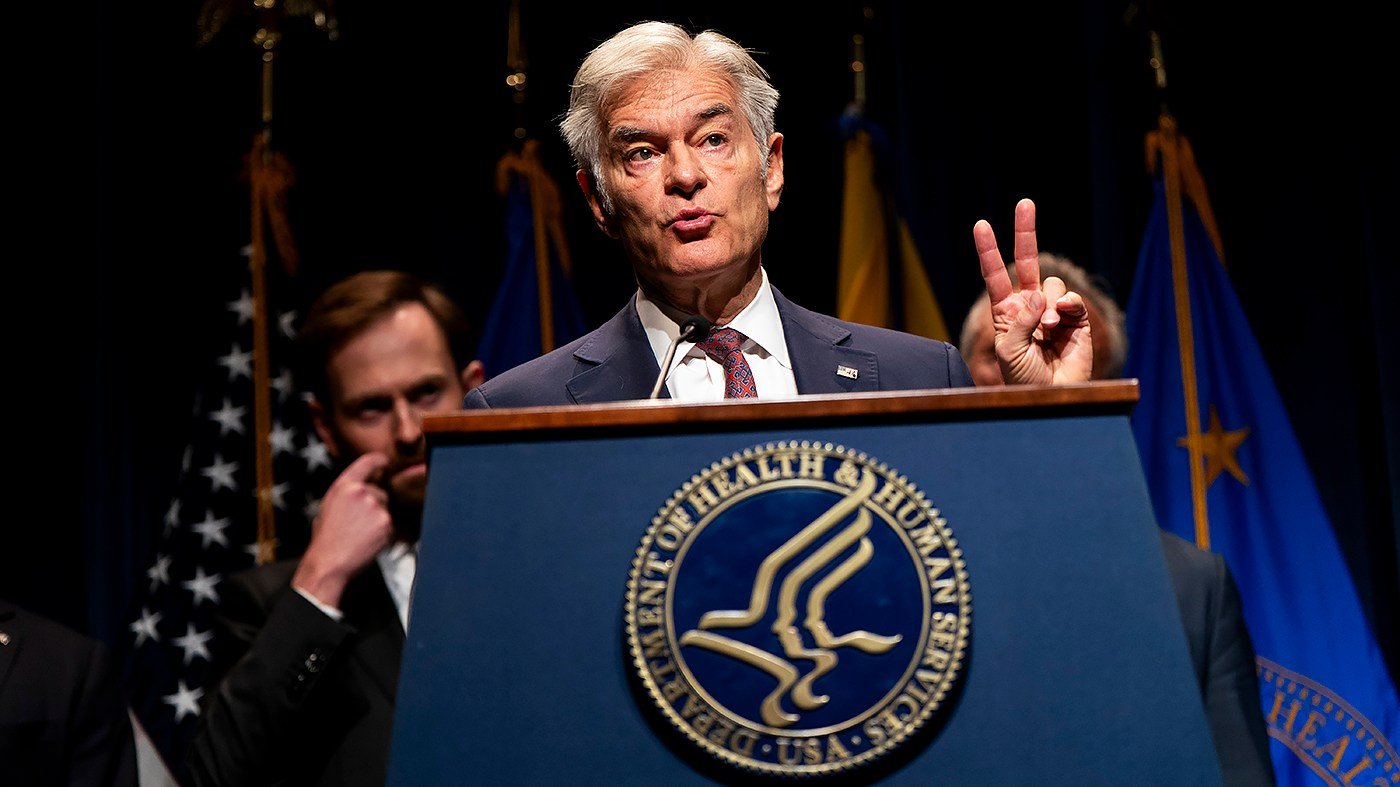
The resurgence has intensified political friction. Health Secretary Robert F. Kennedy Jr., a longtime vaccine skeptic, has clashed with Pennsylvania Governor Josh Shapiro, a Democrat, who accused Kennedy of "spreading misinformation" about the outbreak. Kennedy has denied the charge.
President Trump waded into the controversy earlier this year by signing an executive order that recommends splitting the measles, mumps, and rubella (MMR) vaccine into three separate shots, a move he claimed without evidence would reduce risk, calling the combined vaccine "quite lethal." Public health experts have widely criticized the proposal, warning it could complicate vaccination efforts.
The CDC has dispatched a "disease detective" to Pennsylvania to assist with the outbreak response, underscoring the seriousness of the situation. Health officials continue to emphasize that vaccination remains the most effective protection against measles, which can cause severe complications, especially in children.
As the death toll climbs, the political and public health fallout is likely to intensify, with the outbreak becoming a flashpoint in the broader debate over vaccine policy and federal oversight.