Nearly four years into Moscow's full-scale invasion, the evidence of systematic atrocities committed by Russian forces in Ukraine has become overwhelming. Investigations by the International Criminal Court, the United Nations, and independent human rights organizations have compiled a substantial body of proof documenting widespread violations of international law.
Pattern of Brutality
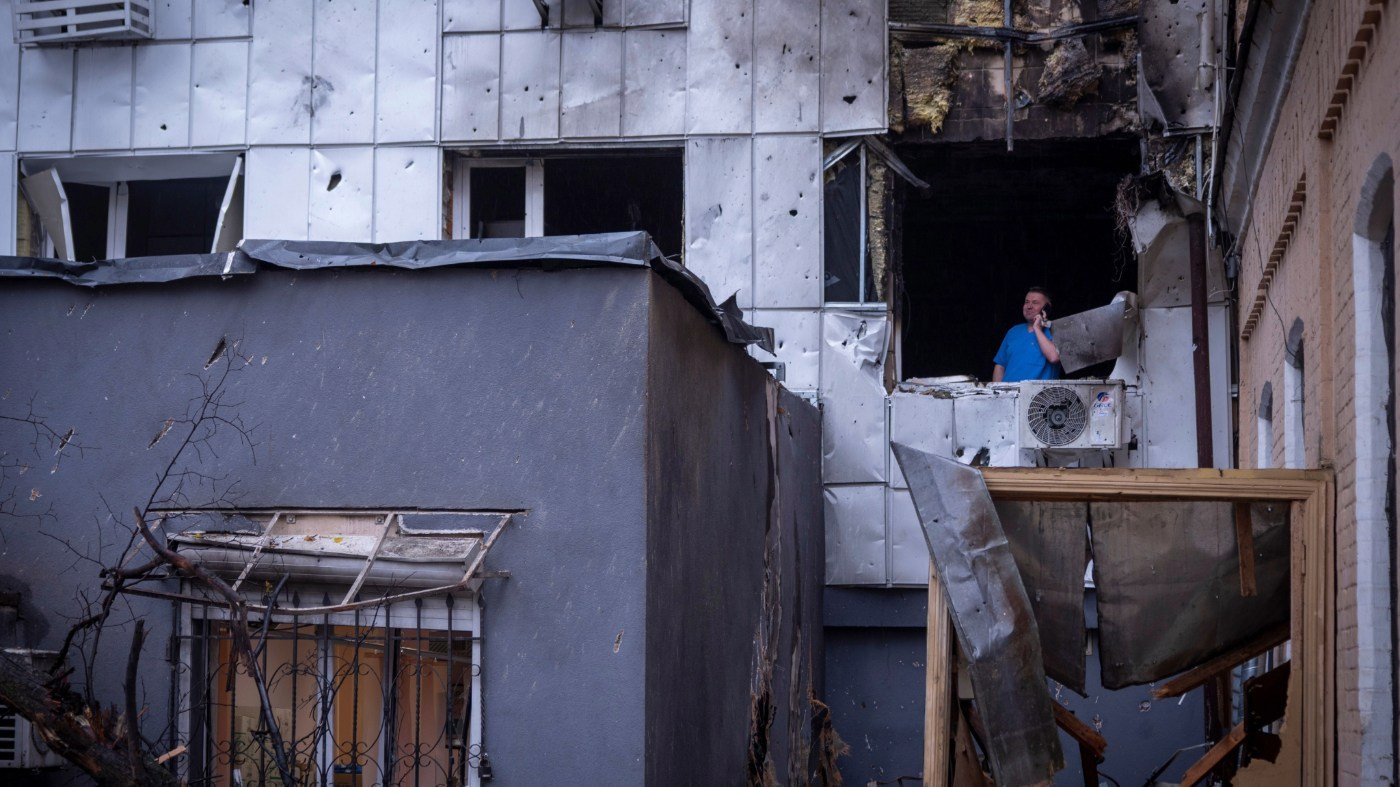
Reports detail a grim pattern of abuses. Russian troops have routinely tortured and executed Ukrainian prisoners of war, deliberately targeted civilian infrastructure—including apartment blocks, shopping centers, schools, and utilities—and, in a particularly disturbing development, have been accused of hunting civilians with drones for sport, a practice Ukrainians have dubbed a “human safari.”
Documented Violations
Since the invasion began, Ukrainian investigators, journalists, and international bodies have catalogued unlawful killings, torture, sexual violence, forced deportations, and deliberate attacks on civilian sites. Human Rights Watch reported in December 2025 that Russian authorities and military personnel systematically tortured Ukrainian POWs through physical and psychological abuse, holding them in inhumane conditions. The UN has collected testimony from hundreds of former prisoners indicating an extensive pattern of torture designed to break them mentally and physically—a clear breach of the Geneva Conventions.
Sexual violence has also been rampant. The UN Human Rights Office has documented over 1,000 cases of rape and sexual violence in Russian-occupied areas, while Human Rights Watch has corroborated such abuses in multiple territories.
Crimes Against Children
Perhaps the most egregious offense is Russia's treatment of Ukrainian children. The forced transfer and deportation of minors is a crime under several international conventions. The Institute for the Study of War has documented extensive efforts to Russify Ukrainian children, apparently part of Putin's strategy to offset Russia's severe population decline. Removing children from their homes and attempting to erase their cultural identity during an armed conflict violates international laws protecting cultural heritage.
In March 2023, the ICC issued arrest warrants for President Vladimir Putin and Maria Lvova-Belova, Russia's children's rights commissioner, over the unlawful deportation of over 20,000 Ukrainian children. The court found reasonable grounds that they bore criminal responsibility. Additional warrants have been issued for Defense Minister Sergei Shoigu and Chief of the General Staff Valery Gerasimov over attacks on civilian infrastructure.
Civilian Toll
The human cost continues to rise. According to the UN Human Rights Monitoring Mission in Ukraine, at least 2,514 civilians were killed and 12,142 injured in 2025 alone, with casualty rates remaining high through 2026. Since the war's start, verified civilian deaths exceed 12,000, with about 25,000 injured.
Path to Justice
Accountability remains a formidable challenge. International courts must collect reliable evidence, establish individual responsibility, and distinguish between intentional crimes and lawful military casualties. Nevertheless, the accumulated proof from the ICC, UN, and independent groups is substantial.
These documented atrocities underscore the importance of international humanitarian law. War does not suspend legal protections for civilians or prisoners, and military necessity cannot justify torture, intentional attacks on civilians, summary execution, or unlawful deportation.
As the conflict enters a new phase, the question of Russia's reintegration into the global community looms. Many argue that no welcome should be extended—whether at the United Nations, international summits, or the White House—until those responsible for war crimes are held accountable. The current practice of inviting Russian officials to high-level events, particularly in Washington, is widely seen as a betrayal of the victims and a blow to the rule of law.