Emergency crews responded Friday afternoon to a collision on the Mississippi River at the Port of New Orleans, where a tanker struck a docked riverboat carrying more than a hundred passengers. The incident has raised fresh questions about maritime safety in one of the nation's busiest shipping corridors.
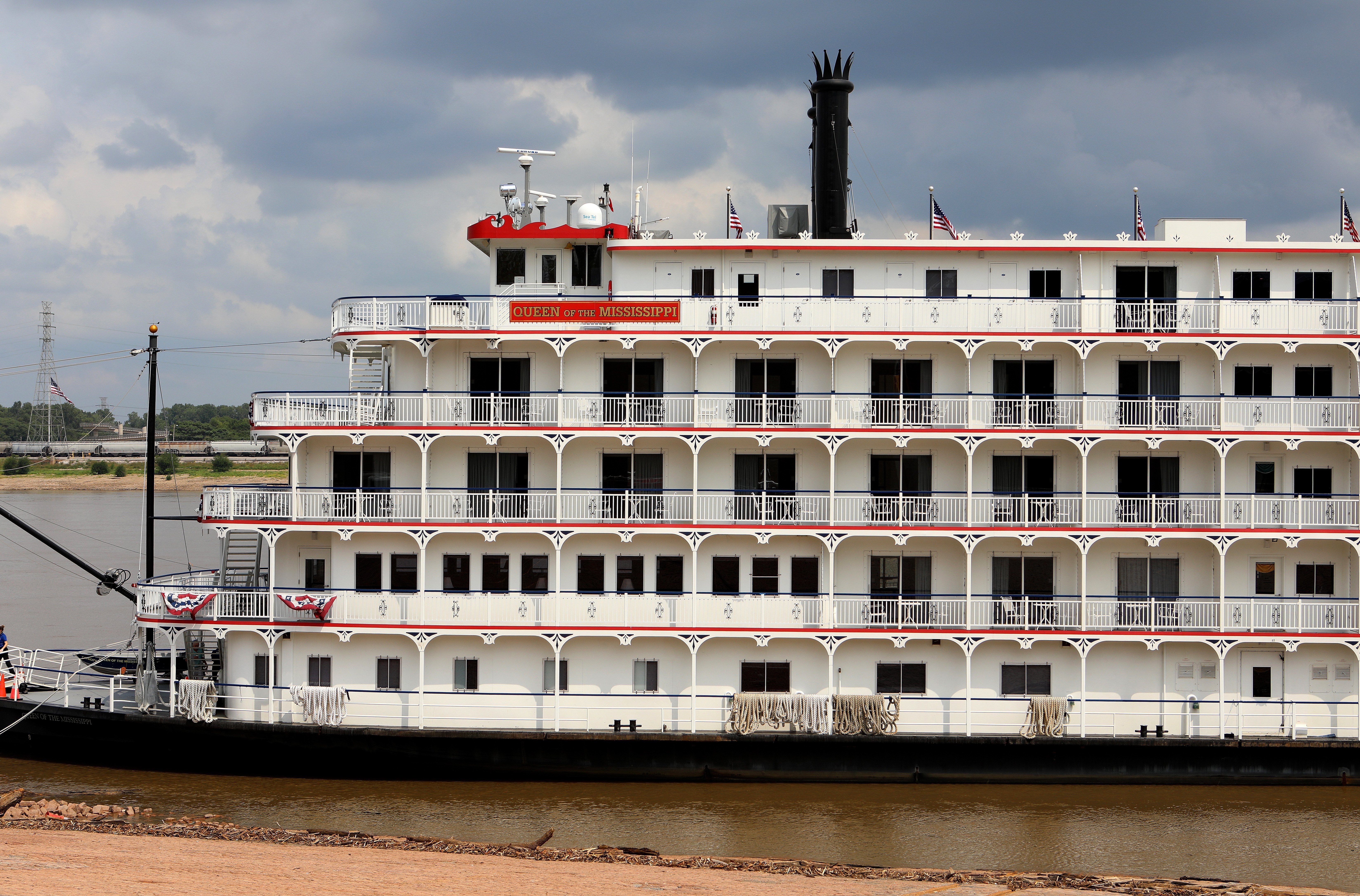
The Port of New Orleans confirmed that the Atlantic Asphalt tanker hit the American Heritage, a riverboat operated by American Cruise Lines, at approximately 12:30 p.m. local time. The vessel was moored at the port when it was struck, according to a statement from the port authority.

Officials estimated that 129 passengers were aboard the American Heritage at the time of the collision, along with crew members. The port said its harbor police, the New Orleans Fire Department, the New Orleans Police Department, the U.S. Coast Guard, and emergency medical personnel were on scene conducting rescue and response operations. A triage area was established inside the Port of New Orleans Administration Building.
Video shared on social media showed the American Heritage listing sharply to one side and taking on water rapidly. The extent of injuries has not been officially confirmed, but the company said guests and crew were evacuated.
“American Cruise Lines can confirm that our riverboat, American Heritage was involved in a collision while it was docked in New Orleans,” a spokesperson said. “We are in close coordination with the U.S. Coast Guard and local authorities. Guests and crew were evacuated, and we are deeply concerned for everyone involved.”
The company said it would provide updates in the coming hours as the situation develops. The cause of the collision remains under investigation, and the Coast Guard has not yet released details on how the tanker came to strike the stationary vessel.
The accident comes amid heightened scrutiny of maritime operations along the Mississippi River, particularly in congested port areas. The river is a critical artery for commerce, and incidents involving passenger vessels and commercial traffic can have significant safety and economic implications.
Political leaders in Louisiana have previously pushed for stronger federal oversight of inland waterways, and this incident may reignite calls for enhanced safety protocols. Mississippi's political landscape has also been in flux, though the collision is likely to focus attention on infrastructure and emergency preparedness rather than electoral matters.
As the investigation proceeds, local officials are expected to provide more details on the condition of those aboard and the extent of damage to the riverboat. The port has not indicated when normal operations might resume.
This is a developing story. Further updates will be provided as more information becomes available.