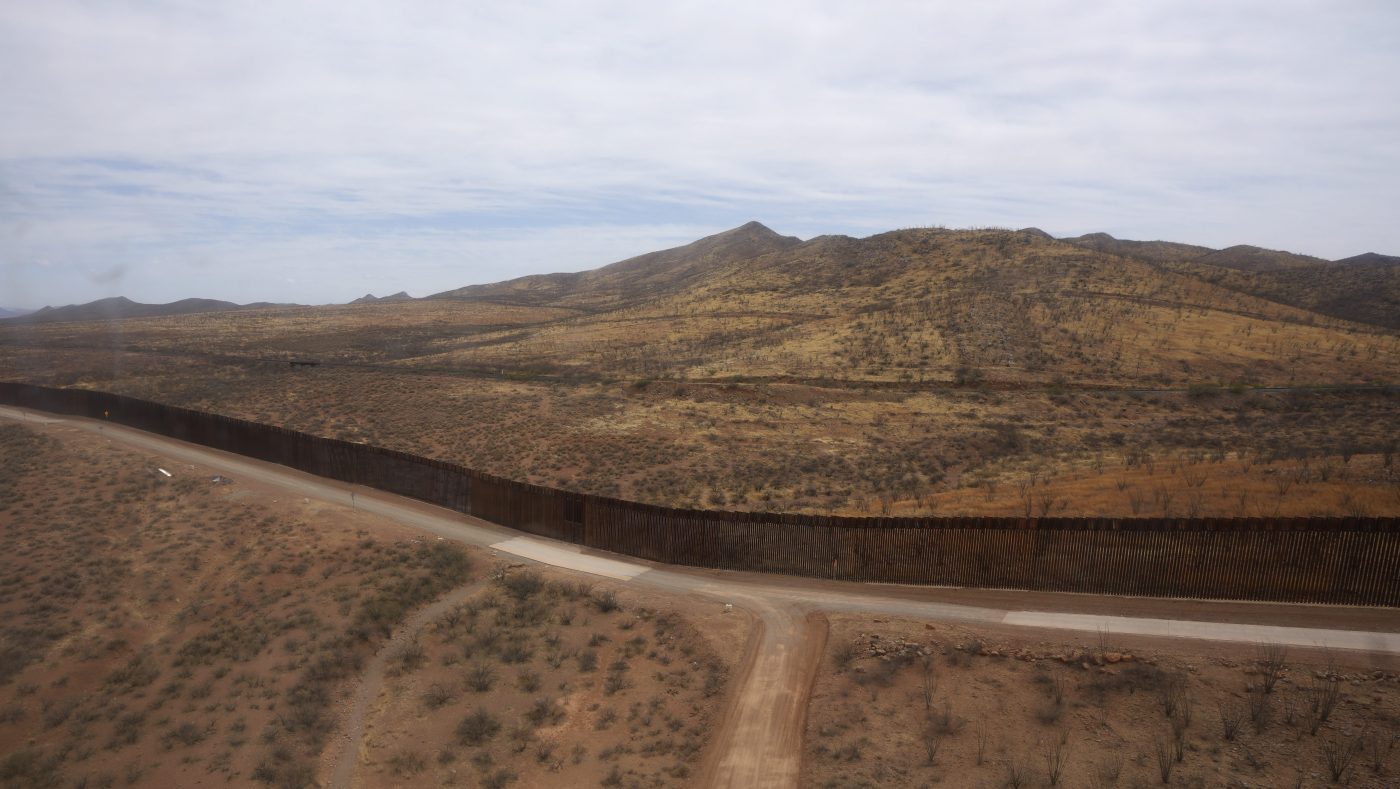
The Supreme Court announced Friday that it will review the legality of President Trump's asylum restrictions at the southern border, a policy that lower courts have struck down as an overreach of executive authority. The case, which will be argued this term with a ruling expected by summer, is set to become one of the court's most consequential examinations of the administration's immigration crackdown.
Solicitor General D. John Sauer, defending the policy in court filings, called it the administration's "main tool" for curbing illegal crossings. He argued that blocking it would "open the floodgates to illegal entry," overwhelming the system and allowing cartels to regain control of the border. The policy, signed by Trump on his first day back in office, declared an "invasion" at the southern border and categorically barred asylum applications, effectively shutting the door on most migrants seeking protection.
Immigrant rights groups, led by the American Civil Liberties Union (ACLU), swiftly challenged the proclamation. They argued that illegal crossings were already on the decline and that the policy stripped noncitizens of their legal rights at the border, violating both U.S. law and international obligations. U.S. District Judge Randolph Moss, an Obama appointee, sided with the challengers, ruling that Trump had exceeded his authority. The D.C. Circuit upheld that decision in April, prompting the administration to appeal to the Supreme Court.
The case is one of two the justices agreed to hear on Friday, the other being Robinhood's appeal in an investor lawsuit over its IPO disclosures. But the asylum dispute carries far broader implications, touching on the limits of presidential power in immigration and the fate of thousands of migrants at the border.
Legal experts say the outcome could hinge on whether the court views the administration's invocation of "invasion" as a legitimate basis for sweeping action or as an attempt to circumvent statutory and treaty obligations. The policy has remained in effect while the case has wound through the courts, creating a patchwork of enforcement that has left many asylum seekers in limbo.
The Supreme Court's decision to take up the case adds to a term already packed with high-stakes disputes over executive authority, including challenges to other Trump administration policies. Observers note that the court's conservative majority has often been sympathetic to broad executive power in immigration matters, but the specific language of the asylum statute could give justices pause.
For the administration, the stakes are existential. As Sauer wrote, the policy is central to its border security strategy, and a defeat could force a major rethink. For immigrant advocates, the case is about preserving a fundamental right. "This is a critical test of whether the rule of law still applies at our border," said an ACLU attorney involved in the case.
A decision is expected by late June, just as the 2026 midterm campaign heats up. The ruling could become a defining issue, with Trump's approval ratings already under pressure and Republicans weighing their 2028 prospects. The case also dovetails with other administration moves, including its recent picks for financial regulators, as it seeks to cement its legacy.
In the meantime, the policy remains in effect, leaving the situation at the border uncertain. The Supreme Court's ruling, whichever way it goes, will likely reshape the legal landscape for immigration enforcement for years to come.