Federal prosecutors have leveled an additional terrorism charge against Cole Tomas Allen, the man accused of trying to assassinate President Trump during the White House Correspondents' Association dinner earlier this year, according to court documents unsealed Thursday.
Allen, a California native, allegedly breached security at the annual gala in April, shot a Secret Service agent, and attempted to force his way into the ballroom where the president was speaking. He had previously pleaded not guilty to attempted assassination of the president, assault on a federal officer, and two firearms counts.
The U.S. Attorney's Office for the District of Columbia is now charging Allen with committing an act of terrorism while armed, arguing that his alleged attack was designed to influence executive branch policy and to intimidate a significant segment of the American public. The new charge underscores the government's view that the incident was not merely an isolated act of violence but a calculated strike against the political order.
According to NBC News, Allen had written a manifesto before the attack that explicitly expressed his desire to target members of the Trump administration. His family reportedly became aware of his intentions moments before the incident and alerted local authorities, but the warning came too late to prevent the assault.
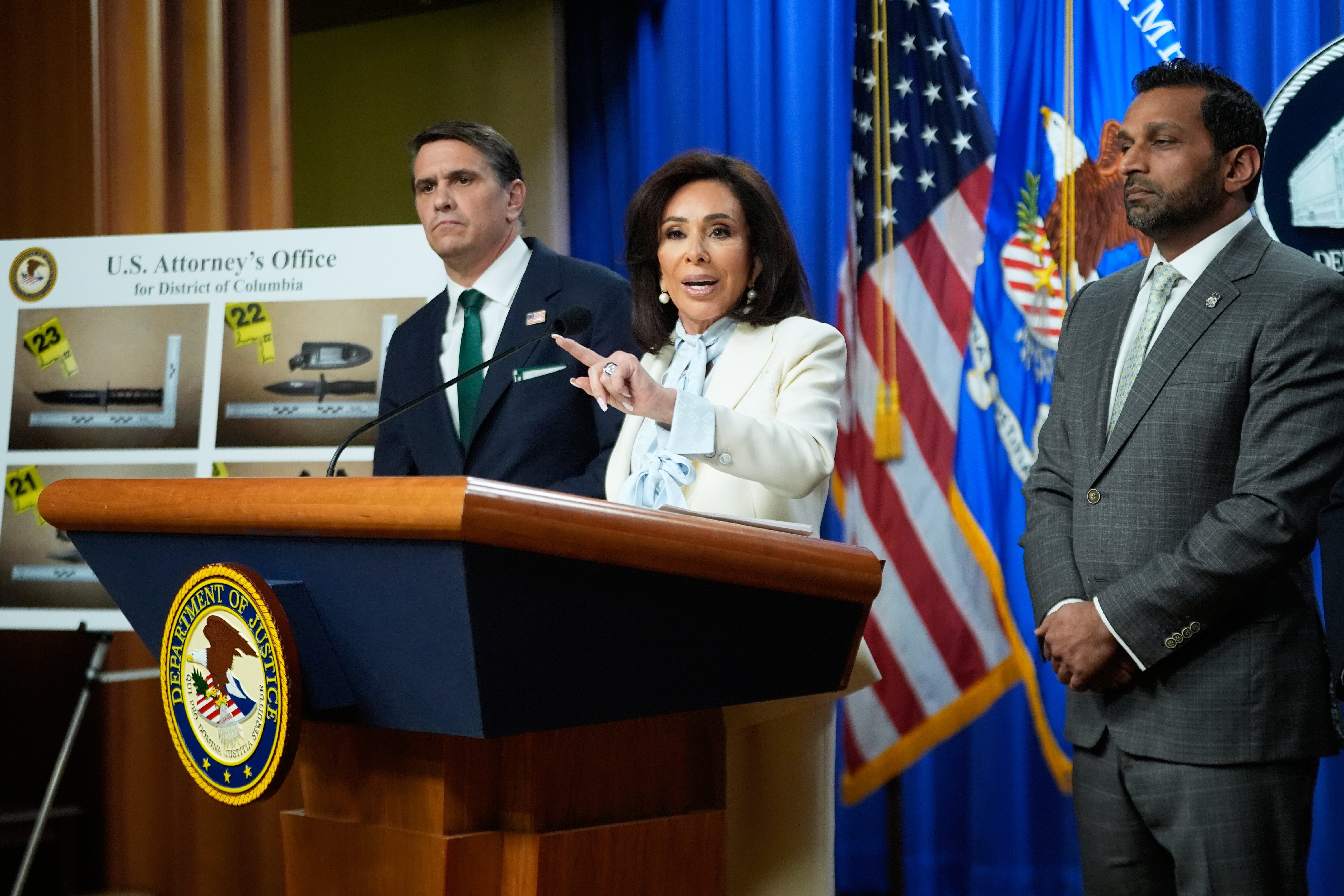
The case is being overseen by Jeanine Pirro, the U.S. attorney for D.C., who was present at the dinner when the attack occurred. Allen's legal team moved to disqualify Pirro from the prosecution, arguing that as a potential victim of the crime, she could not be impartial. A judge rejected that motion, allowing her to continue leading the case.
Allen is the third individual charged in connection with a plot to assassinate Trump in recent years. The first was arrested after a shooting at a 2024 campaign rally in Butler, Pennsylvania; the second was accused of targeting the former president at a Florida golf course months later. Now, Allen's case adds a new chapter to a troubling pattern of threats against the president.
The additional terrorism charge could significantly increase Allen's potential sentence if he is convicted. Legal experts note that terrorism enhancements often carry severe penalties, and the political implications of the case are likely to draw continued scrutiny from lawmakers and the public alike.
As the legal proceedings move forward, the incident has reignited debates over security protocols at high-profile political events and the broader threat of politically motivated violence. The Secret Service has faced questions about how Allen was able to penetrate security, and the agency has pledged to review its procedures.
Allen remains in federal custody. His next court appearance is scheduled for later this month, where his legal team is expected to address the new charge.