The Russian economy is showing increasing signs of strain, with the central bank holding its key interest rate at 14 percent and inflation forecasts being revised upward. Central Bank Chair Elvira Nabiullina told lawmakers this week that the bank would not lower rates due to the risk of fueling inflation, which she described as an "unfair" tax on citizens. She pointed to Ukrainian attacks on oil refineries, industrial sites, and logistics hubs as factors constraining production capacity.
Nabiullina reported that gas prices have jumped 21 percent and diesel 13.4 percent since the start of 2026. The central bank now projects inflation at 7.6 percent for the year, up from an earlier forecast of under 7 percent, though some analysts doubt the official numbers, given the ongoing conflict and infrastructure damage.
The high interest rates have stifled economic growth, with the government projecting only 0.6 percent expansion this year. The budget deficit has doubled to 3.2 percent of GDP, while military spending is set to rise 13 percent as the war with Ukraine drags on.
On the battlefield, Russian forces have lost momentum, according to the Institute for the Study of War, which notes that Ukraine regained about 27 square kilometers in October. Russian casualties reached a monthly high of 54,000 killed or wounded, and Ukrainian advances are threatening supply lines.
Sanctions and the Graham Law
Beyond the war's costs, Russia faces ongoing sanctions from the U.S., Britain, and the EU. In September, President Trump signed the Lindsay O. Graham Sanctioning Russia and Iran Act, which imposed a 500 percent tariff on Russian imports and penalties on countries that facilitate sanctions evasion, including China and India. The law also targeted Putin, military officials, and financial institutions.
However, on October 16, Trump used his authority to waive most of the new sanctions, allowing Russia to continue exporting diesel fuel. This move has been criticized for strengthening Putin's resolve and undermining U.S. leverage. The administration still labels the conflict as "Russian aggression," but the waiver sends a mixed signal.
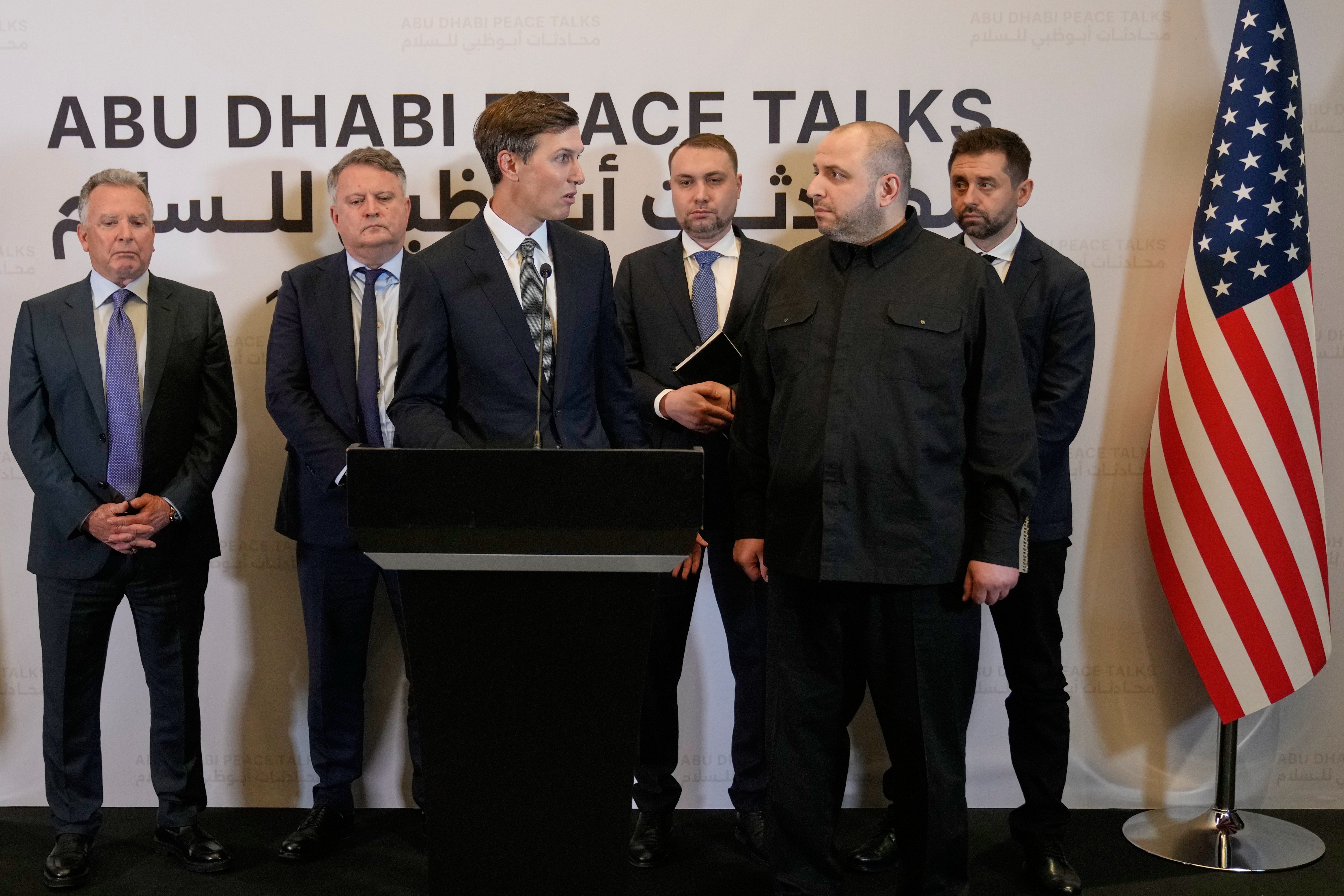
Analysts argue that reinstating the sanctions could force Putin to negotiate seriously. Dov Zakheim, a former Pentagon official, wrote that the sanctions "might force him into more earnest negotiations and a willingness to show some real flexibility." He noted that negotiators Steve Witkoff and Jared Kushner made little progress in talks this week, and additional pressure could give them an advantage over both Putin and Ukrainian President Volodymyr Zelensky.
Zelensky has maintained his demand for a full Russian withdrawal, and any sudden flexibility from Putin would leave him little choice but to respond in kind. Zakheim concludes that if Trump lifted the waiver, Putin might realize Washington is serious about peace talks, recalling that Russian tsars historically lost many wars.
The economic strain, combined with battlefield setbacks, suggests that Russia's position is weaker than it appears. Whether Trump will adjust course remains uncertain, but the pressure is mounting for a strategic reassessment.