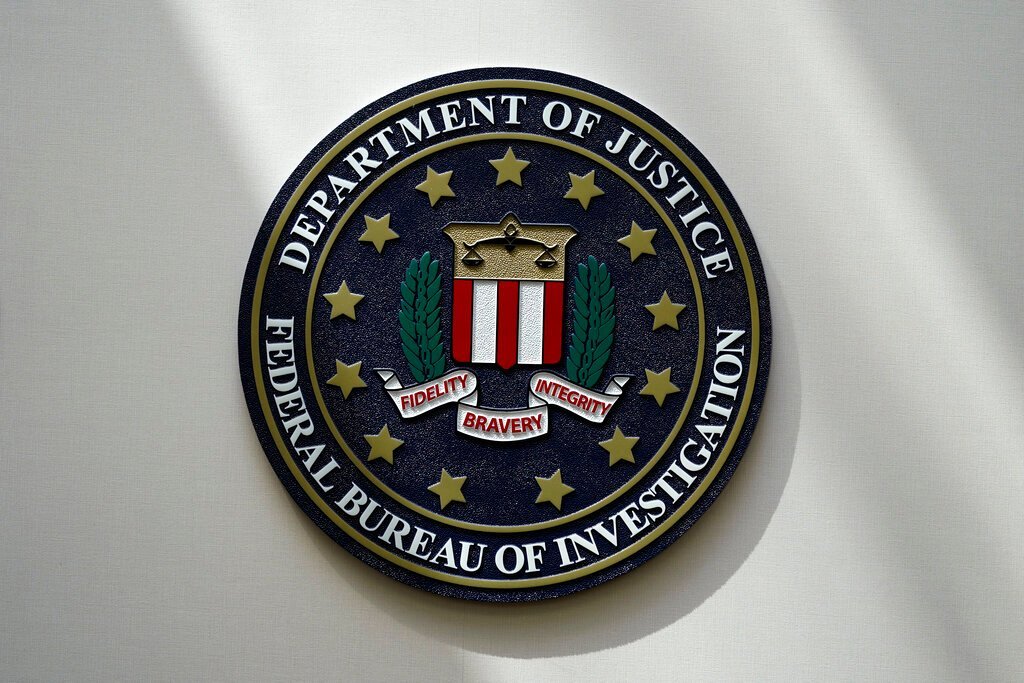
The Department of Justice has formally designated English as the official language of the agency, a move that directs its component agencies to prioritize English over all other languages in their operations.
In a memo published in the Federal Register on Friday, the DOJ stated that while English has never been officially designated before, it has served as the nation's common language since before the founding. The document, which opens a 60-day public comment period, asserts that agencies should now give English precedence over other languages.
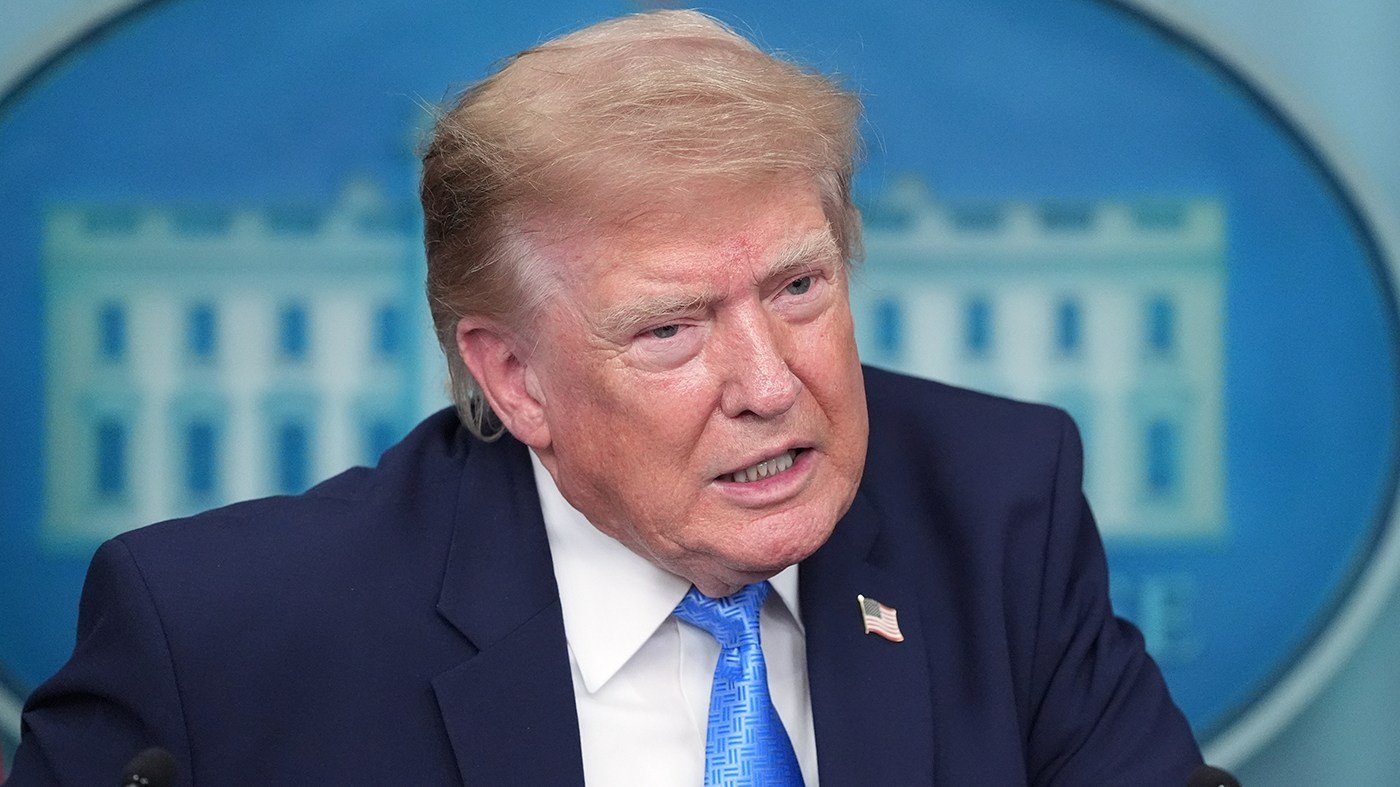
The directive stems from an executive order signed by President Trump in March 2025 that seeks to make English the official language of the United States. The DOJ has historically conducted its business in English under both Democratic and Republican administrations, but this memo marks a formal policy shift.
The memo instructs agencies to review all multilingual assistance programs and determine whether they are required by law or necessary to accomplish the agency's mission. If not, the agency should eliminate such assistance and operate in English only.
This could have significant implications for the Justice Department's civil rights enforcement, particularly regarding voting rights. The DOJ's Civil Rights Division is responsible for ensuring compliance with Section 203 of the Voting Rights Act, which mandates language assistance for voters with limited English proficiency.
The DOJ's website acknowledges that many Americans rely on languages other than English and need minority language materials to participate effectively in elections. The new policy could affect how those obligations are implemented, though the memo notes that legally required assistance must continue.
The move has drawn sharp reactions from civil rights advocates, who argue it could undermine access to justice and voting for non-English speakers. Supporters, however, see it as a step toward national cohesion and administrative efficiency.
This is not the first time the Trump administration has pushed for English-only policies. Earlier efforts have sparked debates over language access in federal programs, and this latest action is likely to face legal challenges.
As the DOJ implements this directive, the balance between legal obligations and the new English-first mandate will be closely watched. The 60-day comment period offers stakeholders a chance to weigh in before the policy is finalized.