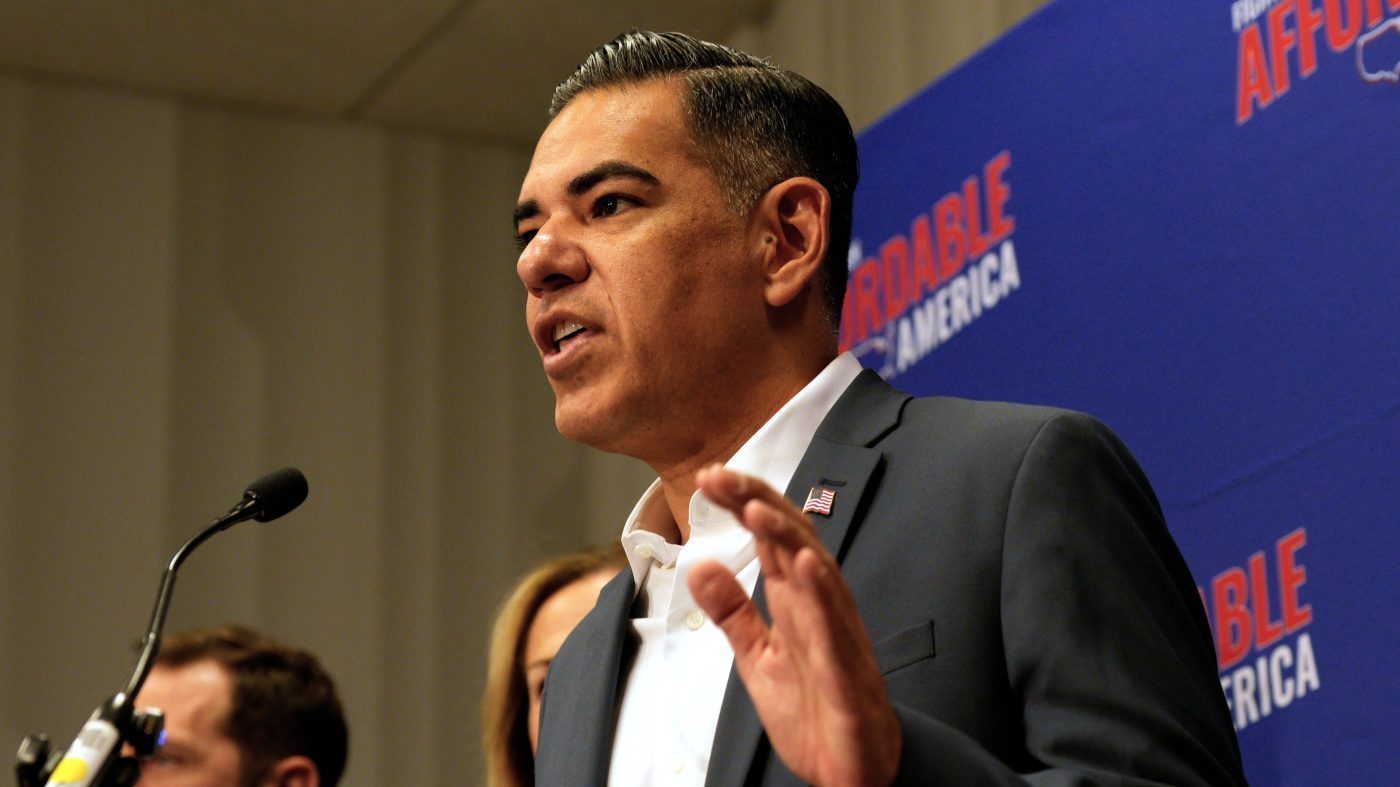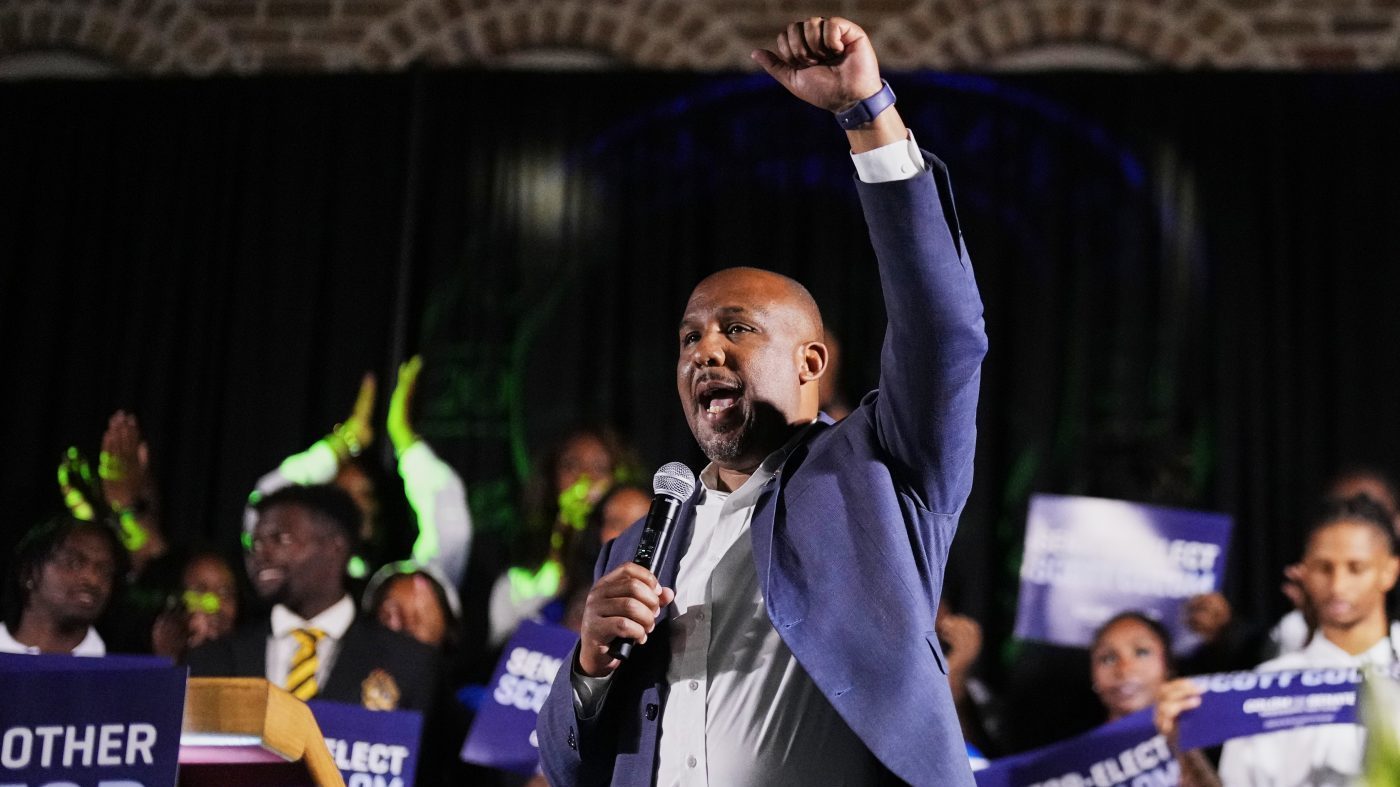
The 2026 midterm elections delivered a sweeping Democratic victory, a "blue tsunami" that has energized the party's base. But for immigrant communities, the celebration is tempered by a sobering reality: the work of translating electoral power into meaningful policy change is just beginning. As one Texas memorial put it, placing "I Voted" stickers at the grave of Lorenzo Salgado Araujo, a man killed by the very government he had no voice in choosing, the promise of "we vote because they can't" must extend far beyond Election Day.
For immigrant and mixed-status families, the Democratic gains represent more than a partisan shift. They offer a chance for accountability, a restoration of constitutional protections, and a potential end to the aggressive enforcement tactics that have defined the past two years. The question now is whether the party will deliver on that promise, or stumble as it did in the post-midterm honeymoon.
Confronting "Kavanaugh Stops" and Enforcement Abuses
Central to the Democratic agenda is reining in the Department of Homeland Security's enforcement machinery. The Supreme Court's ruling in Noem v. Vasquez Perdomo, particularly Justice Brett Kavanaugh's concurrence, has opened the door to immigration stops based on a combination of factors—perceived ethnicity, language, occupation, and location. These "Kavanaugh stops" have become a flashpoint, with critics arguing they amount to racial profiling.
Democrats have condemned the deaths of Alex Pretti and Renee Good, and the shooting of Marimar Martinez by immigration officials. With control of Congress, they now have the oversight powers and funding authority to demand independent investigations into excessive force, unlawful arrests, and constitutional violations. Where evidence warrants, they can push for criminal referrals to prosecutors. This sustained scrutiny is essential to changing an enforcement culture that has operated with little restraint since January 2025.
The State-Level Battleground: Texas and 287(g)
But perhaps the most significant changes may come not from Washington, but from state capitals. Gina Hinojosa's election as Texas's first Latina governor is a landmark, particularly in a state that has been a testing ground for aggressive immigration enforcement. While she cannot rewrite federal law, she can influence how Texas cooperates with ICE.
A key focus is Section 287(g) of the Immigration and Nationality Act, which allows ICE to deputize state and local officers to perform federal immigration functions. These partnerships have expanded dramatically, with the administration aiming for 3,000 arrests per day. The result has been that routine traffic stops can now lead to detention and deportation, tearing families apart over minor infractions.
Hinojosa, as a state lawmaker, voted against Senate Bill 8 in June 2025, which mandated that Texas sheriffs enter into 287(g) agreements. However, reversing that mandate will require more than an executive order. State law, existing agreements, and sheriffs' independent authority limit what she can accomplish alone. Still, she has argued that border security does not require targeting longtime community members. She can push for repeal of the mandatory participation, scrutinize state spending, and challenge the use of Texas resources in abusive operations. The question is how far she will go, and whether the legislature will follow.
Federal Hurdles and the Road Ahead
The path forward is fraught with obstacles. President Trump could veto any federal immigration reform. His administration may further delay adjudication of affirmative petitions, including marriage-based ones that keep families together. Enforcement policies could continue without restraint. For now, the influx of cases into immigration courts may not slow.
Yet with sustained pressure, Democrats could achieve tangible gains: fewer detentions, fewer deaths, and more humane conditions in custody. A secure border does not require abandoning due process or accepting cruelty as the cost of enforcement. As Democrats revel in their victories, they must not lose sight of the mandate from immigrant communities. The promise of "we vote because they can't" is a covenant that must be honored in the halls of power, not just at the ballot box.
Veronica Cardenas is a former assistant chief counsel for ICE turned immigration attorney and founder of Humanigration.