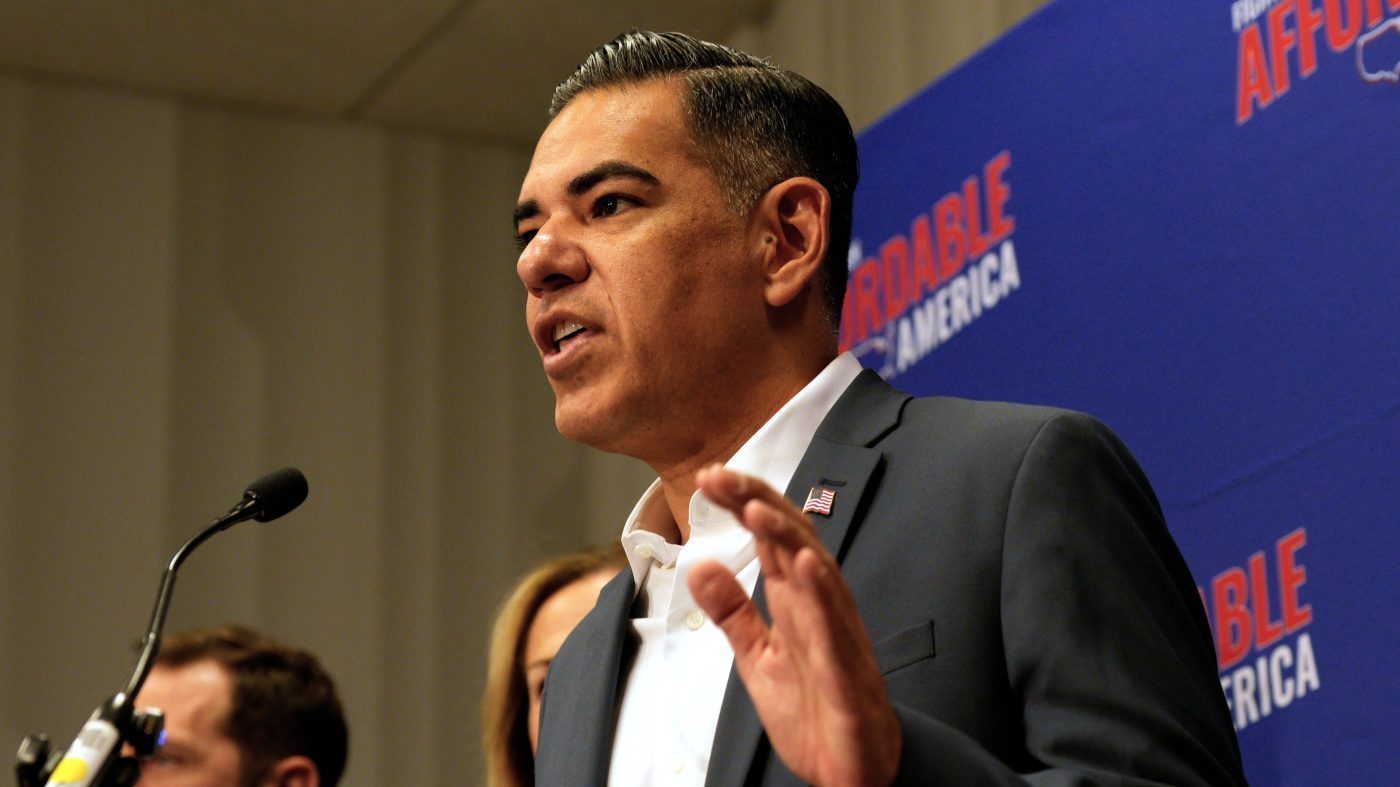
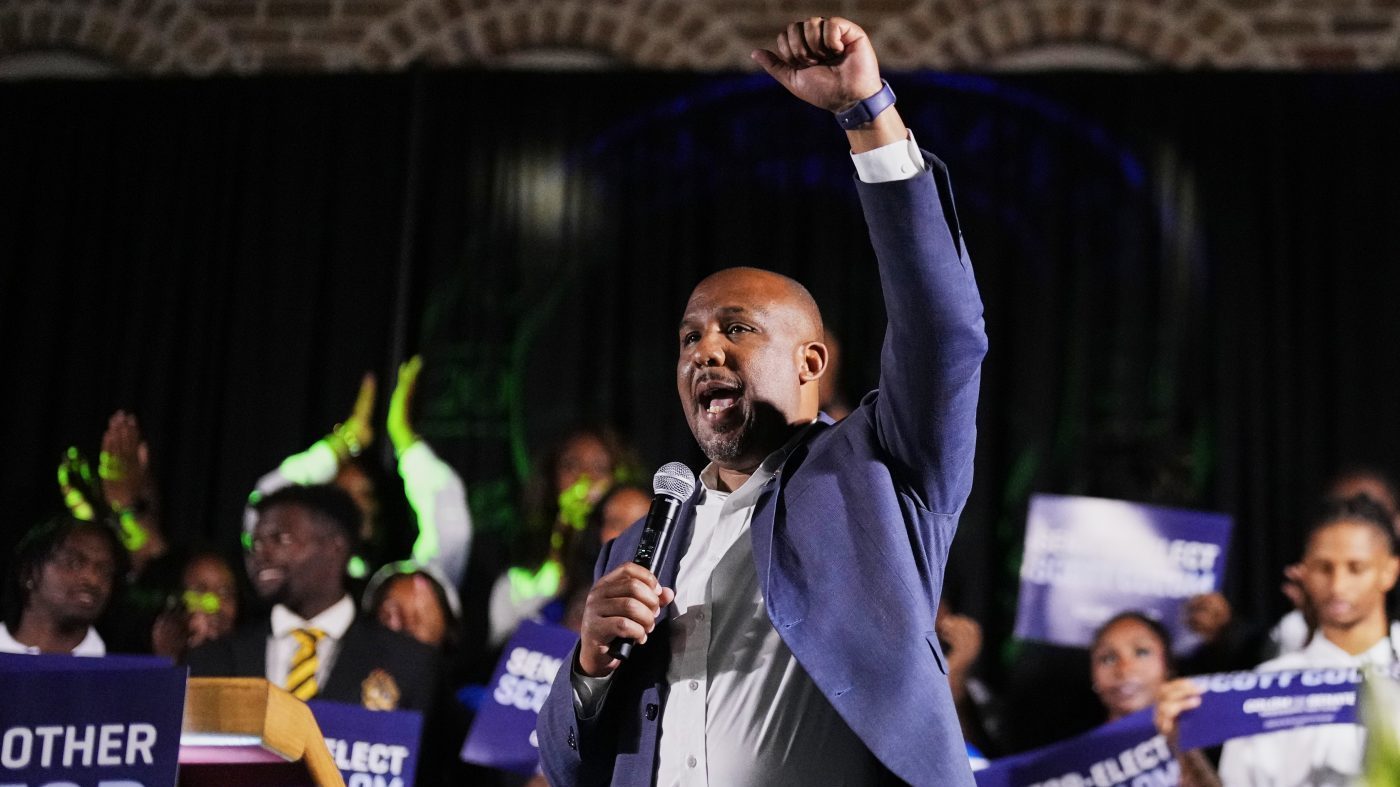
The White House on Thursday sent four nominations to the Senate for two key financial regulatory agencies, tapping a mix of Republicans and Democrats for the Securities and Exchange Commission (SEC) and the Commodity Futures Trading Commission (CFTC).
President Trump nominated Democrat Kristin Johnson and Republican Steven Levine to serve as SEC commissioners. Johnson, a former CFTC commissioner appointed by President Biden in 2022, would serve a term expiring in 2029, while Levine's term would run through 2030. The president also tapped Democrat Matthew Rowland and Republican Nathan Anonick for the CFTC, with terms ending in 2028 and 2031, respectively.
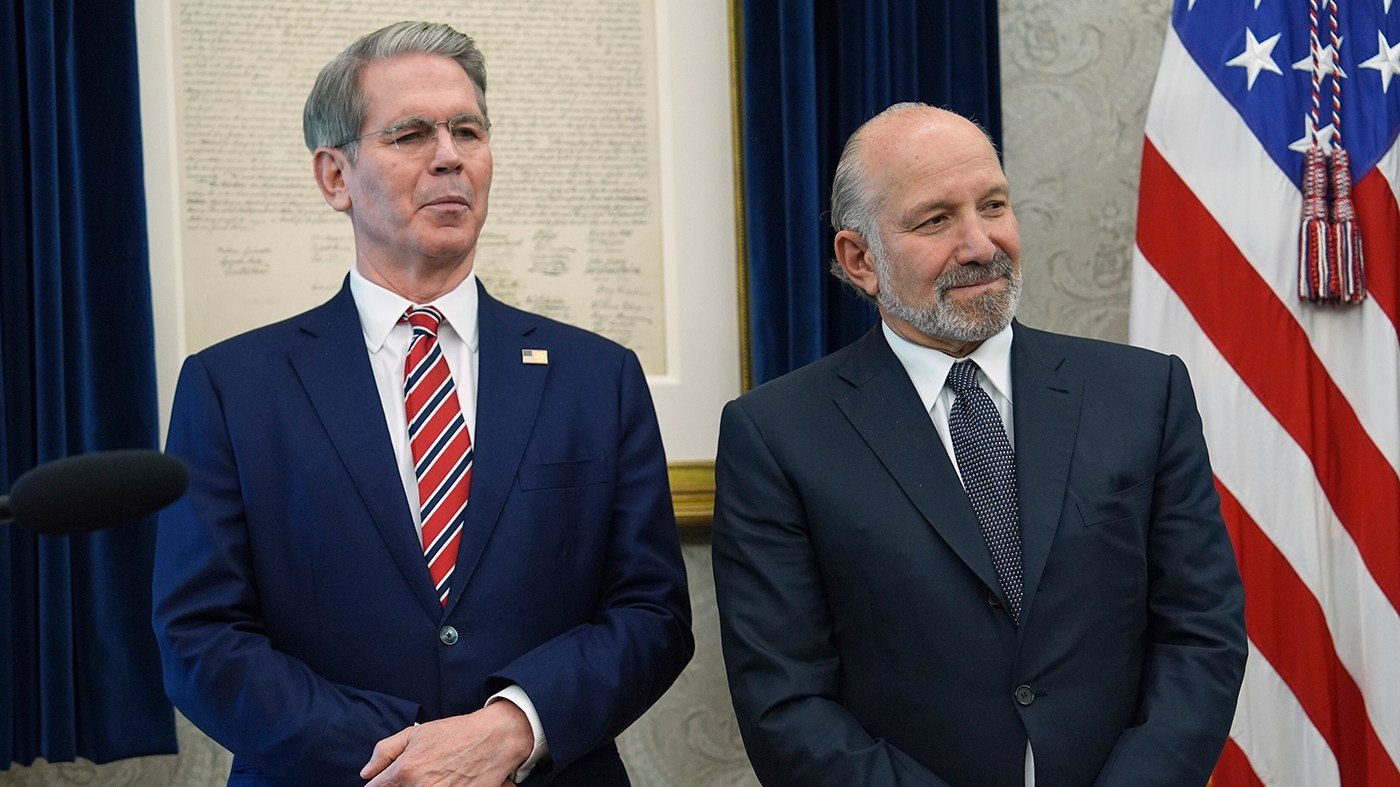
The nominations, which require Senate confirmation, mark a notable shift for the administration, which had previously only put forward Republican appointees for the two panels. Johnson and Rowland are the first Democrats Trump has chosen for either agency.
Michael Selig, who chairs the CFTC, praised the picks as “two strong bipartisan picks” in a post on X. “I congratulate them on their nominations and look forward to working with each of them upon their confirmation by the US Senate,” he wrote.
The SEC and CFTC are both structured as five-member commissions, with no more than three seats held by one party. Currently, the CFTC has only Selig as its sole commissioner, while the SEC has just two appointees: Chair Paul Atkins and Commissioner Mark Uyeda, both Republicans. The new nominations would help bring both agencies closer to full strength.
The Senate Banking Committee will handle the SEC nominees, while the Senate Agriculture Committee has jurisdiction over the CFTC picks. Both committees are expected to schedule confirmation hearings in the coming weeks.
The move comes amid ongoing tensions over the administration's approach to digital assets regulation. Senate Democrats previously blocked the Clarity Act, a bill intended to create a regulatory framework for cryptocurrencies, in part because it lacked adequate oversight of the Trump family's crypto ventures. The new nominations could signal an effort to address those concerns, though some Democrats remain wary.
Political observers note that filling these vacancies with bipartisan picks could ease confirmation hurdles, but the Senate calendar is crowded. With the administration also pressing for a major defense spending package, these nominations may face delays. Still, the White House appears to be moving quickly to staff key financial oversight roles.
The nominations now head to the Senate, where their fate will depend on the willingness of both parties to move forward quickly on financial regulators.