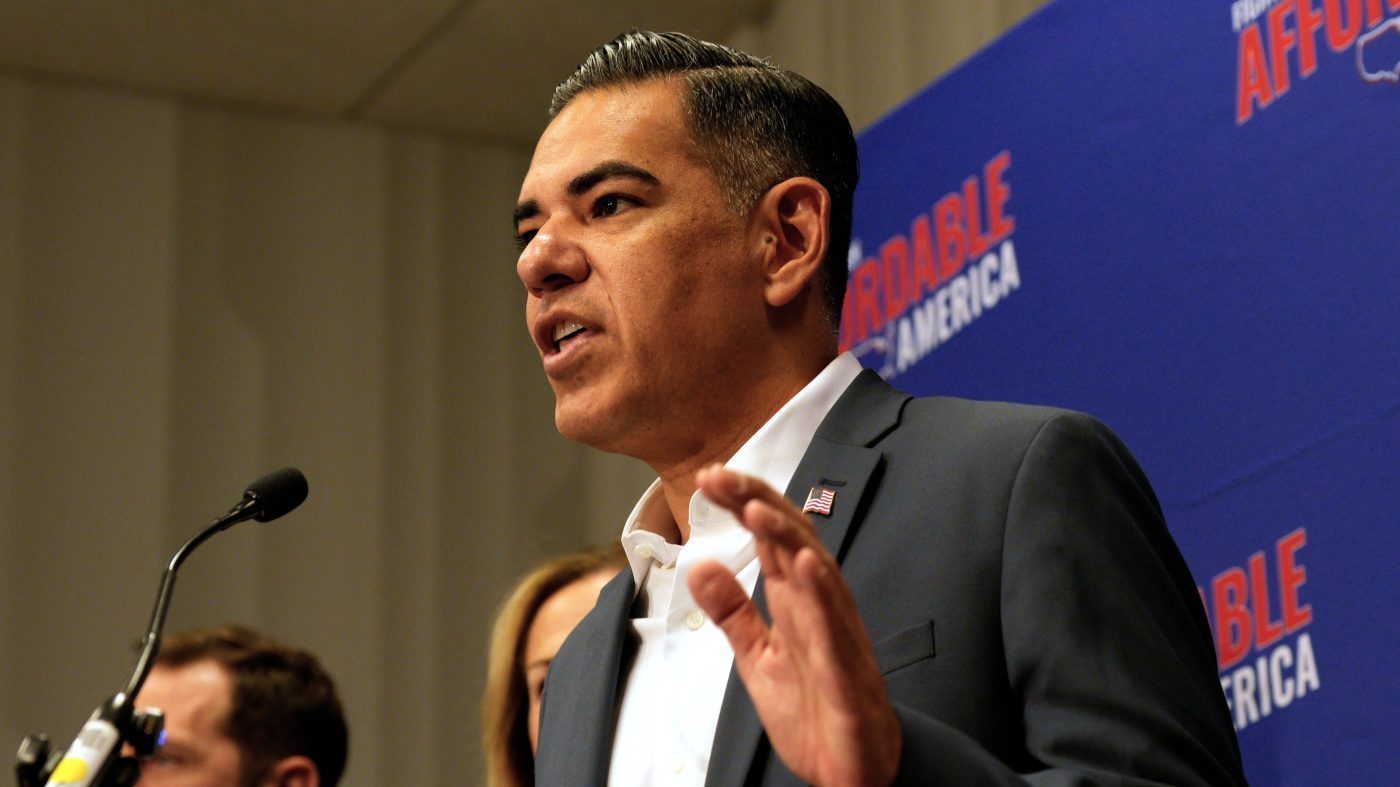
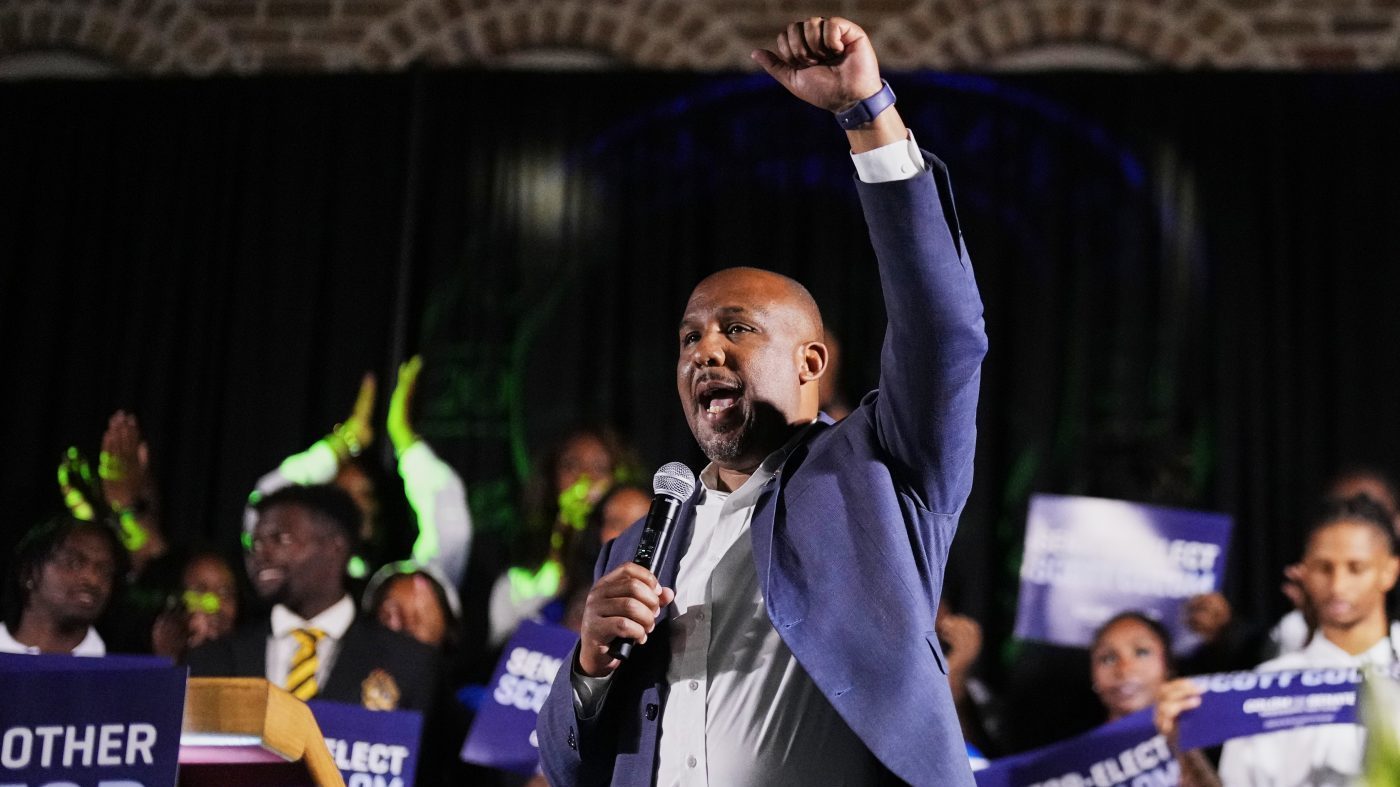
Sen.-elect James Talarico (D-Texas) made a direct appeal to his party on Thursday, arguing that Democrats must find common ground with President Trump to deliver results for Americans before the next election cycle. Speaking at the What's Next conference in Denver, Talarico said that waiting for a new administration is not an option.
"Some of these reforms might not pass 'til 2029, but the American people cannot wait two years for change. So we must work with President Trump," Talarico said, according to remarks shared with the audience. He emphasized that economic relief, political reform, and immigration policy should be immediate priorities.
Talarico, who will become the first Democrat to represent Texas in the Senate since 1988, has built his political identity around bipartisanship. He suggested that Trump could cement a legacy comparable to that of former President Lyndon B. Johnson, a fellow Texan known for landmark legislation. "If President Trump wants the same plaques and portraits and busts as LBJ, we can help make that a reality," he added.
The call for cooperation is not unique to Talarico. Sen.-elect Abdul El-Sayed (D-Mich.) took to social media on Thursday with mock-ups of "Trump Care" health insurance cards, urging the president to back universal health care. "Donald, this is on the table. Guarantee healthcare for every American, from cradle to grave," El-Sayed wrote.
Talarico told the Denver gathering that Democrats on Capitol Hill should aim to make Trump's final two years "the most productive of any presidency" in history. He framed the moment as transcending partisan divides, saying, "It's so much bigger than a party. We are tired of being pitted against each other. We're tired of being told to hate each other. It's been 10 years of this kind of politics."
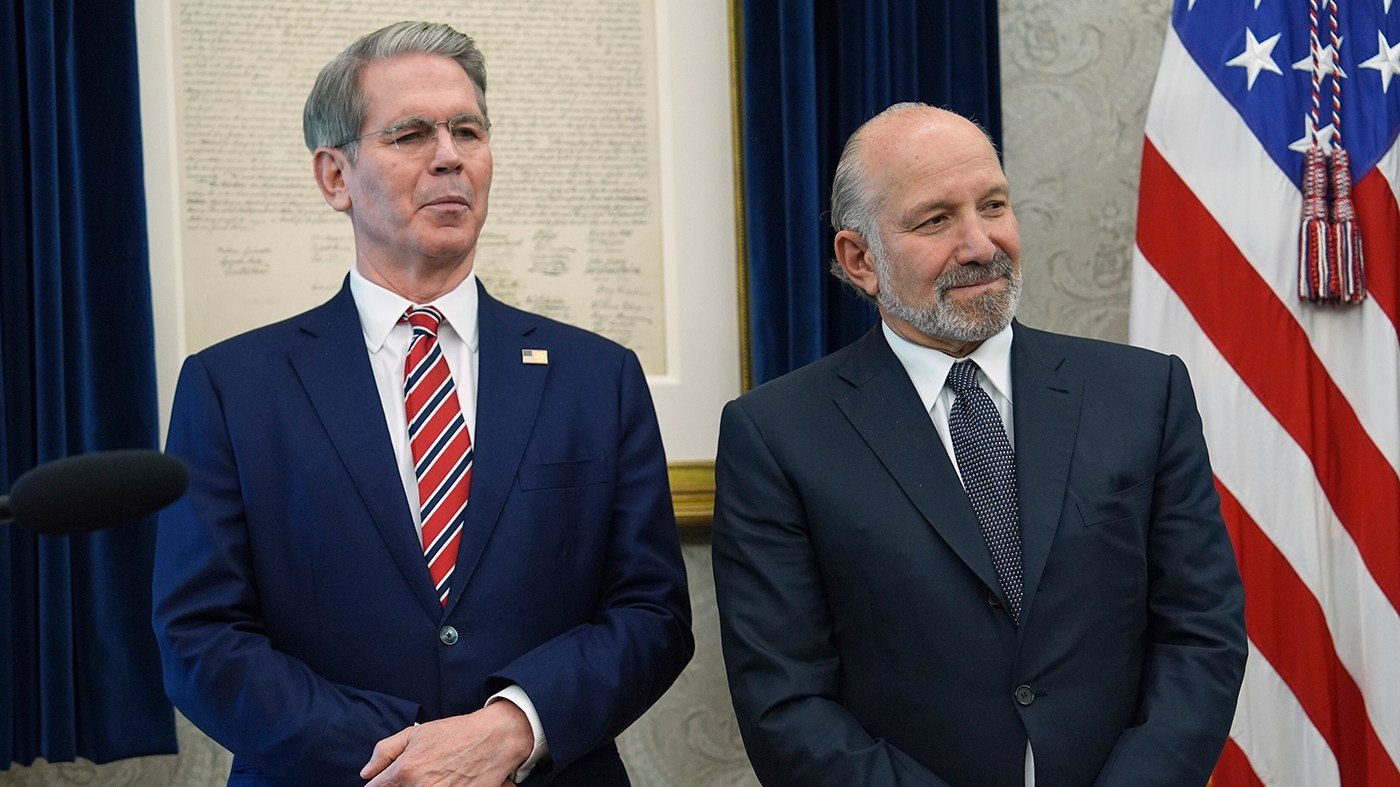
His remarks come amid broader debates within the Democratic Party about how to engage with the Trump administration. Some lawmakers have pushed for aggressive oversight, while others, like Talarico, see an opening for legislative achievements. Recent moves by the president to appoint Democrats to regulatory commissions, as reported in his bipartisan picks for the SEC and CFTC, have signaled a possible willingness to work across the aisle.
However, tensions remain high. Senate Republicans have already expressed resistance to some of Trump's budget proposals, including a $350 billion defense reconciliation push. And top Democrats are probing the administration's decisions on sensitive technology exports, such as Nvidia chip approvals related to China, citing national security concerns.
Talarico's call for cooperation may test the limits of bipartisanship in a polarized climate, but he insists the stakes are too high for inaction. Whether Trump and Democratic leaders can translate this rhetoric into tangible policy remains to be seen.