In the wake of the 2024 elections, many political analysts questioned whether Democrats could ever regain the U.S. Senate. Forecasts suggested Republicans might hold at least 53 seats in the 2026 midterms, including in North Carolina. But on Tuesday, Democrats defied those predictions, largely by running candidates who talked about kitchen-table economics and local concerns rather than national party themes.
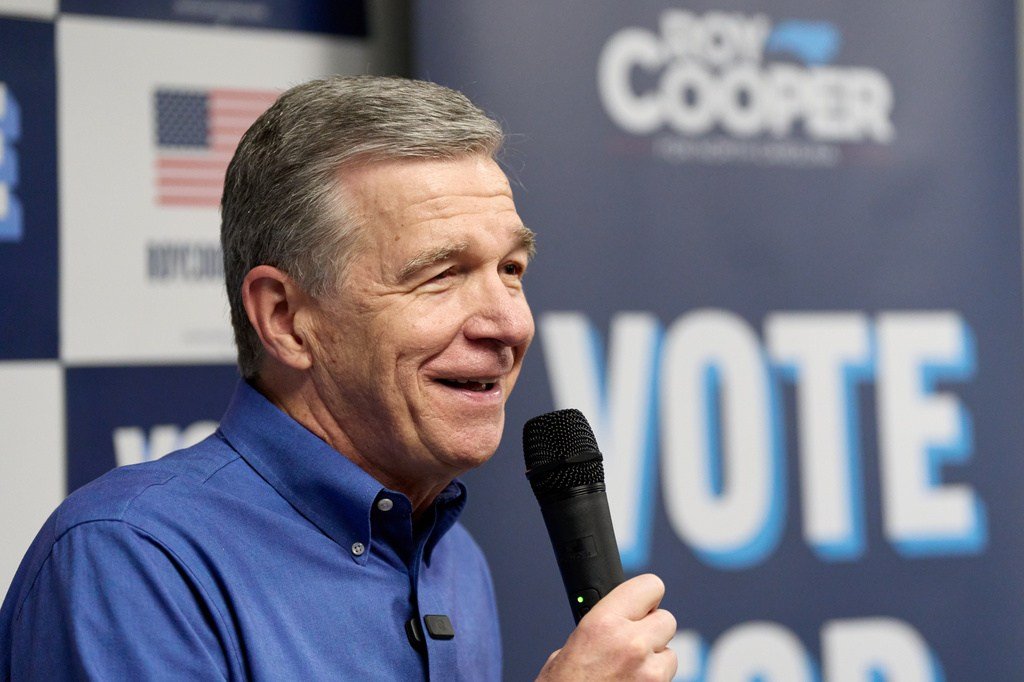
Sen.-elect Roy Cooper (D-N.C.) not only flipped a state that Donald Trump carried three times, but he did so by competing in suburbs, exurbs, and rural areas—winning 21 counties that backed Trump in 2024. By broadening the electoral map and fighting for every vote, Cooper helped flip five congressional seats, win control of the state House, and break the GOP's supermajority in the state Senate. These victories, in potentially ten states that Trump carried, are worth celebrating. Yet Democrats cannot afford to ease up or repeat the mistakes of past midterm winners.
Despite the celebration, 57 percent of Americans still view the Democratic Party unfavorably. Tuesday's outcome may have been more a rejection of Republicans than an embrace of the Democratic brand. As Cooper and Sen.-elect Adam Hamilton (D-Kan.) demonstrated, the path to victory ran through talking about diesel prices, not partisan labels. Working families are tired of the chaos and corruption that have strained their budgets, and they gave Democrats a chance—now the party must deliver.
Cooper's campaign centered on a straightforward message: "Make stuff cost less." He ignored the shiny distractions that often consume Washington and focused on the daily struggles of voters—high prices. His message resonated not because it generated viral moments but because it addressed the real experiences of everyday people. Cooper also pledged not to become a lobbyist and refused to own or trade individual stocks, signaling that his priority was voters' wallets, not his own. If Democrats fail to produce results, 2028 could repeat the cycle of voters seeking change.
On public safety, Cooper took a firm stance, touting his record as attorney general and governor of putting violent criminals behind bars, targeting drug dealers, opposing defunding the police, and strengthening bail laws. This approach, rather than ceding ground on crime, is part of the formula Democrats must adopt to win in 2028 and make the American Dream attainable again.
But delivering for families does not mean rolling over for the administration. Trump's weaponized tariffs have driven up grocery costs, and his reckless trade policies have led to record fuel prices and even American casualties. Accountability is crucial—not for revenge, but to improve lives. Democrats must stay focused on lowering costs, not on settling scores, or they will squander the trust voters placed in them.
Voters spoke clearly on Tuesday. Democrats now hold power again, but that power comes with responsibility. Winning is not the same as the other side losing. To secure future victories, especially in 2028, Democrats must concentrate on the issues that matter and deliver a more affordable future for American families.
Morgan Jackson served as a general consultant on Roy Cooper's campaign and as a senior advisor to Cooper.