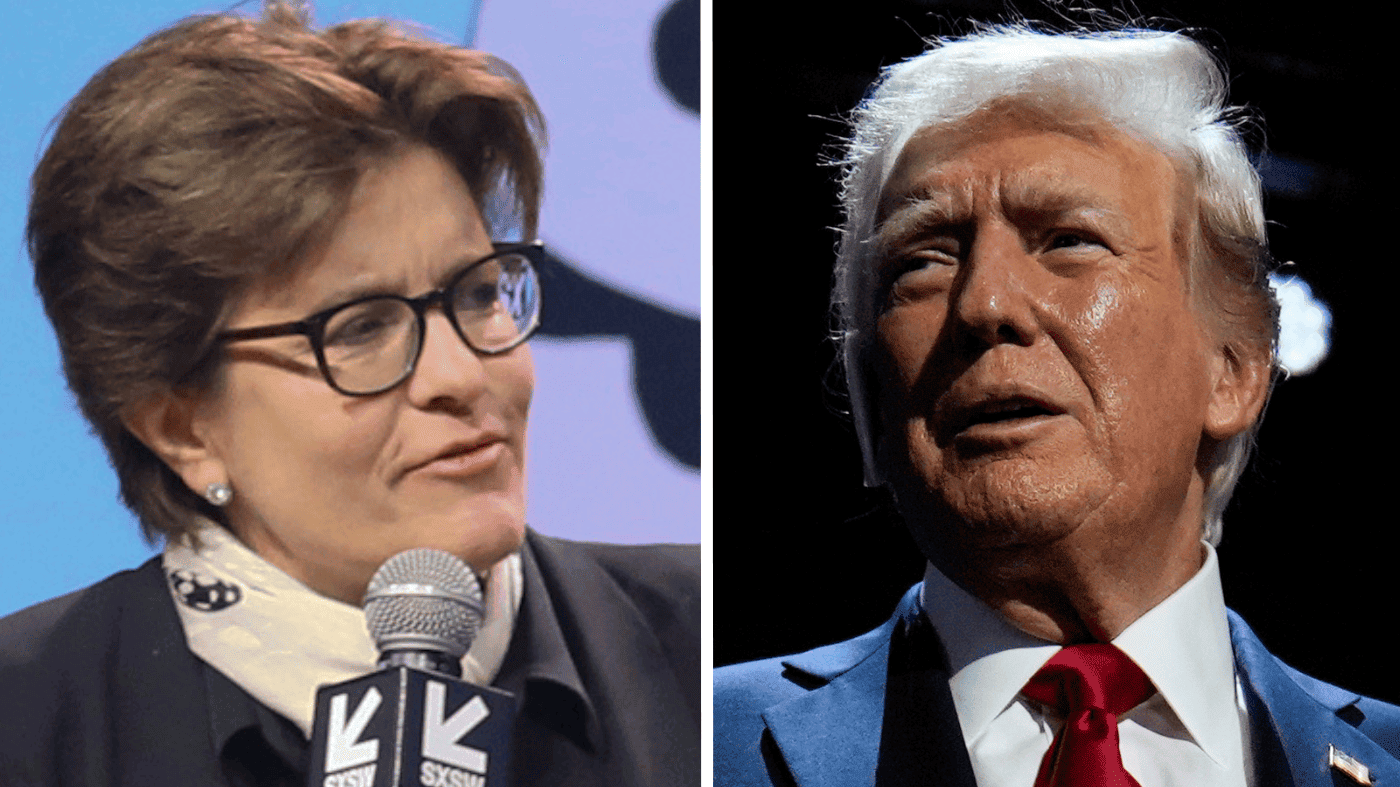
Veteran tech journalist Kara Swisher has accused President Trump of “gaslighting” the public over the national security implications of outgoing Nvidia CEO Jensen Huang’s extramarital affair with a woman suspected of being a Chinese spy. In a Thursday interview on CNN, Swisher argued that Trump’s dismissive stance is an attempt to shield himself from scrutiny.
“He has to say nothing’s going on here … because if there were, he’s in real trouble,” Swisher told anchor Kaitlan Collins. “This is serious national security issues, and to pretend that it’s not a big deal is kind of ridiculous. It’s gaslighting, you know, which is what he does all the time whenever something happens.”
Huang resigned as CEO of the chipmaking giant on Thursday following reports that he had multiple affairs, including with a woman identified as Alice Huang, whom U.S. intelligence suspected of ties to Beijing. The resignation has sent shockwaves through the tech sector, with questions swirling about potential security breaches and the future of Nvidia’s leadership and AI market stability.
Trump has largely stood by Huang, calling him an “honorable man” and describing the situation as “sad.” However, in an interview Thursday, he conceded that if the woman is indeed a spy, Huang’s resignation was justified. The New York Times reported that Trump personally called Huang to urge him to fight for his job, even as the president had been informed twice about the relationship and the woman’s suspected connections to China.
Critically, the Times revealed that two months after Trump was first alerted to the potential espionage risk, he reversed an earlier decision and allowed Nvidia to sell its most advanced chips to China. That timeline has fueled bipartisan demands for a formal investigation into what the administration knew and when.
House Republicans have called for Huang to brief lawmakers behind closed doors about the affair and any security vulnerabilities. Meanwhile, Democrats are pushing to examine Trump’s role in the chip export policy. Senators Elizabeth Warren (D-Mass.) and Jim Banks (R-Ind.) have renewed their push for legislation to restrict Chinese access to cutting-edge semiconductors, including those made by Nvidia.
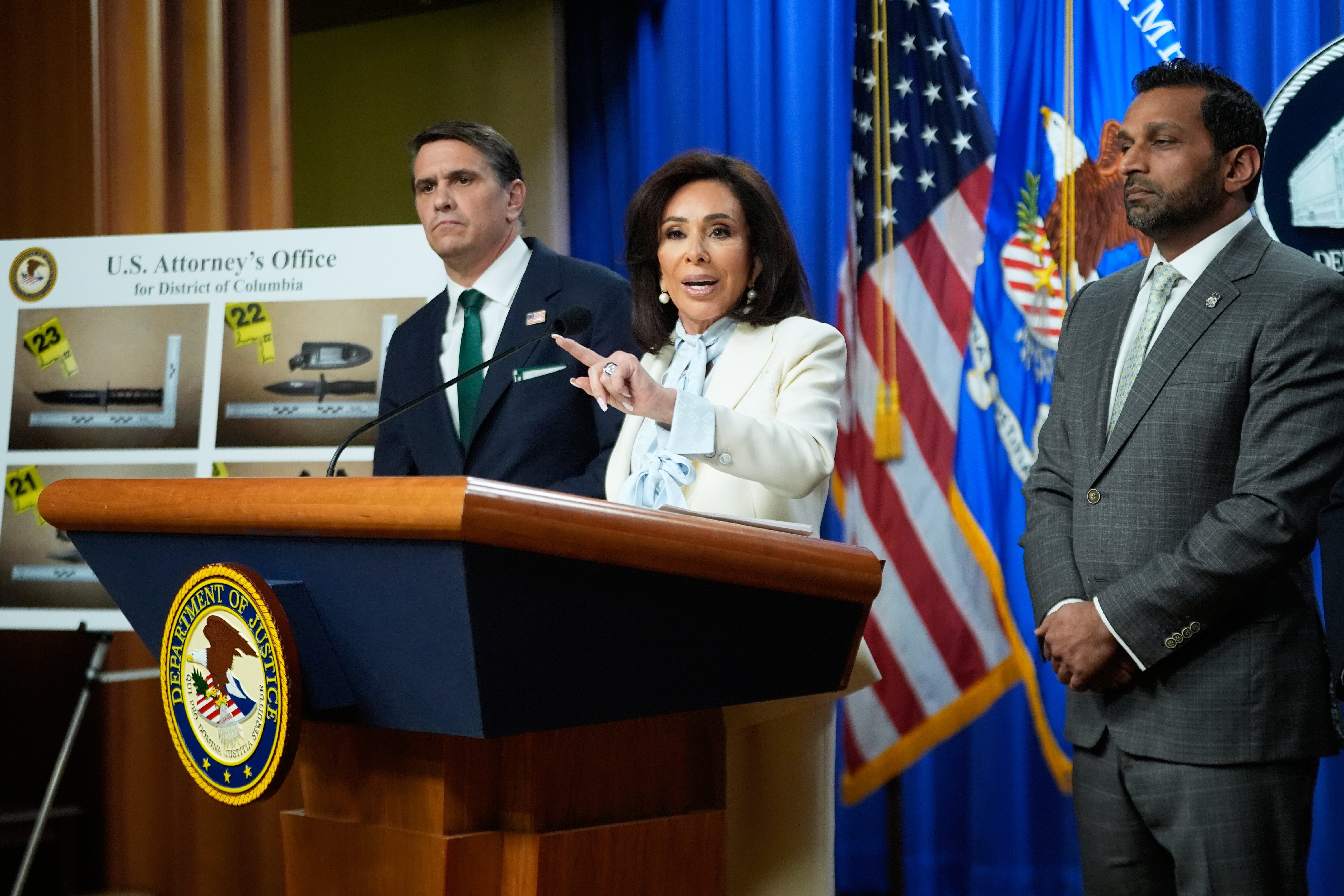
Swisher expressed little confidence in the administration’s ability to conduct a credible review, pointing to Attorney General Todd Blanche and FBI Director Kash Patel as figures unlikely to pursue the matter aggressively. “[Trump is] trying to throw doubt in a situation that requires real investigative work, which I don’t expect from either Todd Blanche or Kash Patel,” she said. “It’s up to Congress to really look at this. And it looks like the Republican senators are at least taking national security issues seriously.”
The political calculus may shift dramatically in January, when Democrats are projected to take control of both chambers of Congress following their midterm victories. That would put them in a position to issue subpoenas and lead investigations, with Rep. Robert Garcia (D-Calif.) already signaling he intends to probe Trump and his allies. The president’s sinking approval ratings could complicate his ability to weather the storm.
Swisher warned that the affair and its potential national security implications demand a rigorous, independent inquiry, not the administration’s attempt to minimize the fallout. “This is exactly the kind of situation where you need real oversight,” she said. “The American people deserve to know whether their government is protecting them or covering up for a friend.”
The White House has vowed to respond aggressively to any congressional investigations, setting the stage for a high-stakes showdown between the executive and legislative branches.