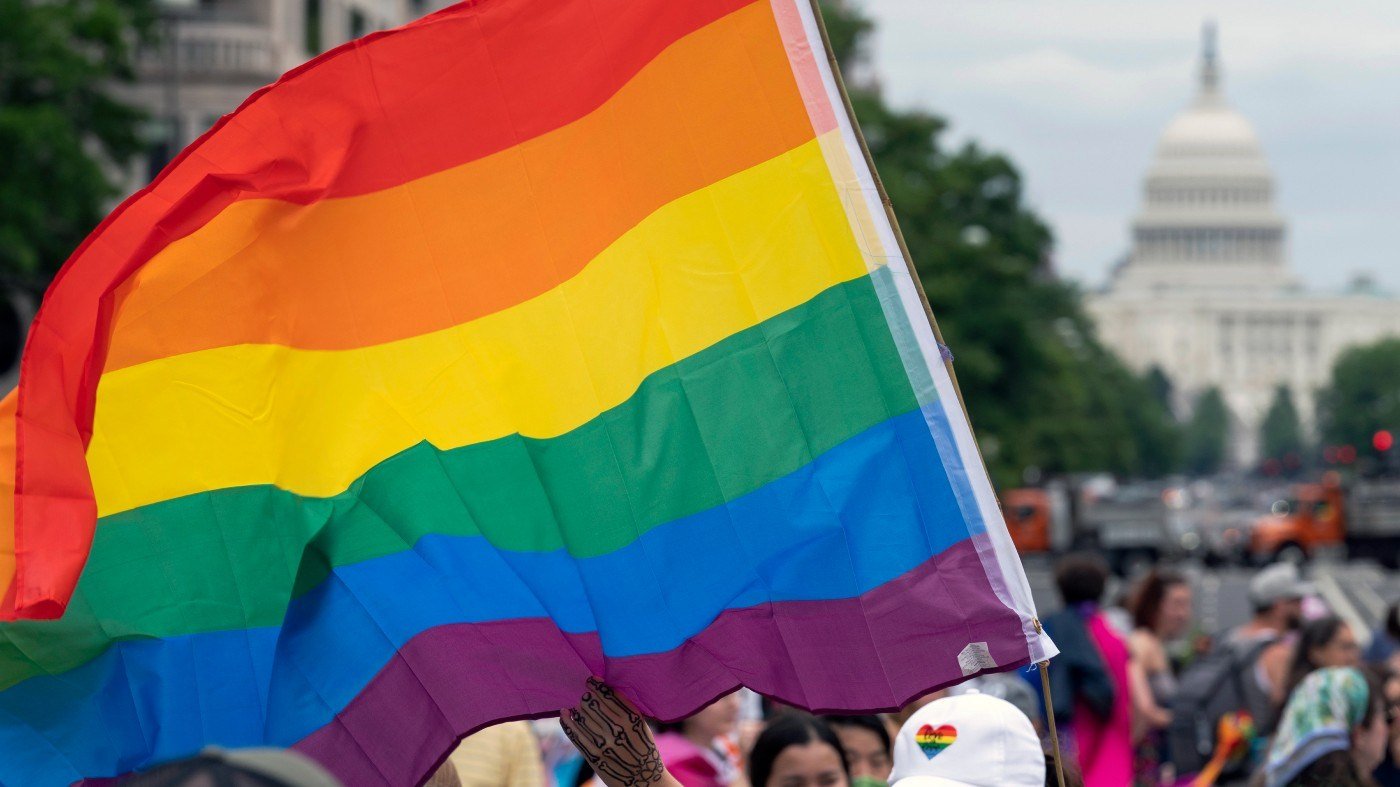
The number of LGBTQ characters on scripted television fell sharply during the 2025-26 season, according to a new report from the advocacy group GLAAD, signaling what researchers describe as a troubling retreat from inclusive storytelling amid a politically charged climate.
GLAAD's annual Where We Are on TV report, released Tuesday, found that LGBTQ characters in broadcast, cable, and streaming scripted series dropped by 25 percent compared to the previous season—falling from 489 to 369 characters. The decline was most pronounced among transgender characters, whose representation plummeted by 79 percent.

Other demographic groups also saw significant decreases: queer characters fell by 50 percent, gay characters by 32 percent, lesbian characters by 14 percent, and bisexual characters by 5 percent. The only category to see growth was nonbinary characters, which rose by 33 percent.
The overall totals mark a 12-year low for broadcast television and a 16-year low for cable, according to the report.
Political climate blamed for decline
Raina Deerwater, associate director of entertainment research and analysis for the GLAAD Media Institute, attributed the drop to the broader political environment, particularly the renewed targeting of transgender people by conservative lawmakers and media figures.
"In the last couple years, trans people have been scapegoated by the media. They have been targeted in ways that are offensive and dangerous. Lives have been lost," Deerwater said in a statement. "Often we see media reflecting that, and because of a lot of the political conversation, it's not a surprise to see trans representation falling on TV."
Since President Trump returned to the White House, legislation targeting transgender athletes has gained momentum. Several Republican-controlled states have passed bans preventing transgender women and girls from participating in female sports teams, a policy push that has drawn national attention and sparked legal challenges.
Deerwater called the trend "very disheartening," adding that projects from transgender artists "aren't being greenlit, so they have to tell them outside of traditional venues."
The report also noted that while overall TV production declined this season, the drop in LGBTQ representation was disproportionately larger, suggesting that industry decisions—not just production slowdowns—are driving the change.
GLAAD's findings come as advocates continue to push for more inclusive storytelling, particularly in light of landmark political milestones such as the election of the first openly LGBTQ member of Congress from Michigan. The report underscores the gap between political progress and on-screen visibility, a gap that researchers say has real-world consequences for LGBTQ audiences.