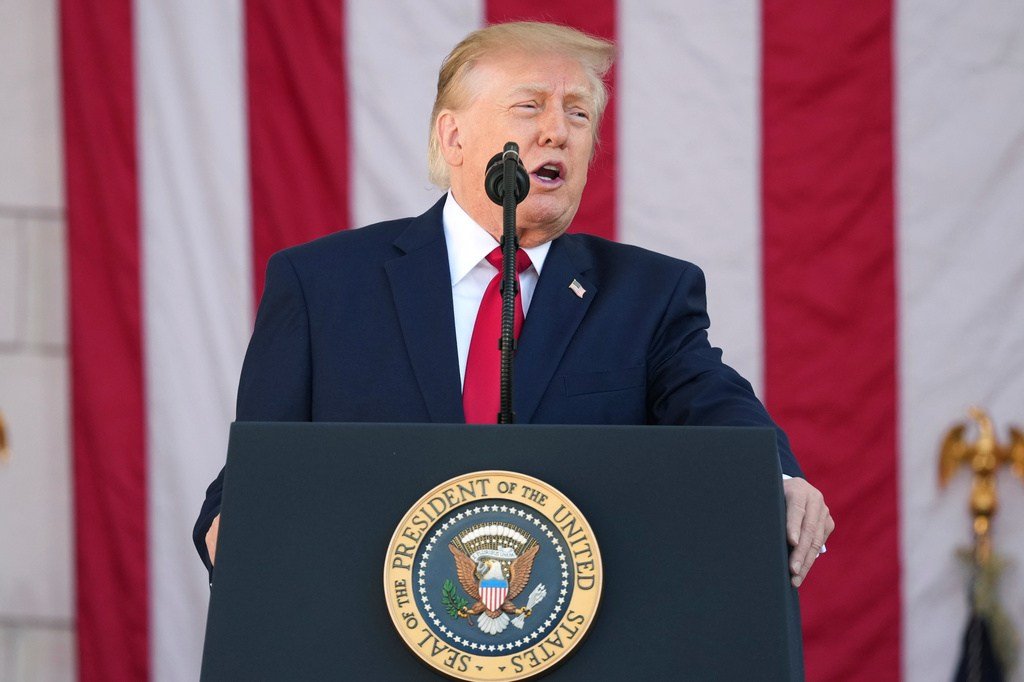
President Trump has thrown his weight behind a legislative effort to revive the U.S. film and television industry, joining a bipartisan group of senators in backing a tax incentive bill aimed at reversing a surge in overseas production. The announcement, made Friday on Truth Social, comes as Republicans prepare to cede control of both chambers of Congress in January, and signals a rare area of potential cooperation with Democrats.
The proposed Motion Picture, Television and Entertainment Revitalization Act, introduced in the Senate in September, would offer a 20% tax credit to production companies that choose to film in the United States. The measure is designed to compete with similar incentives offered by countries like Canada, which have lured a growing share of Hollywood's work abroad.
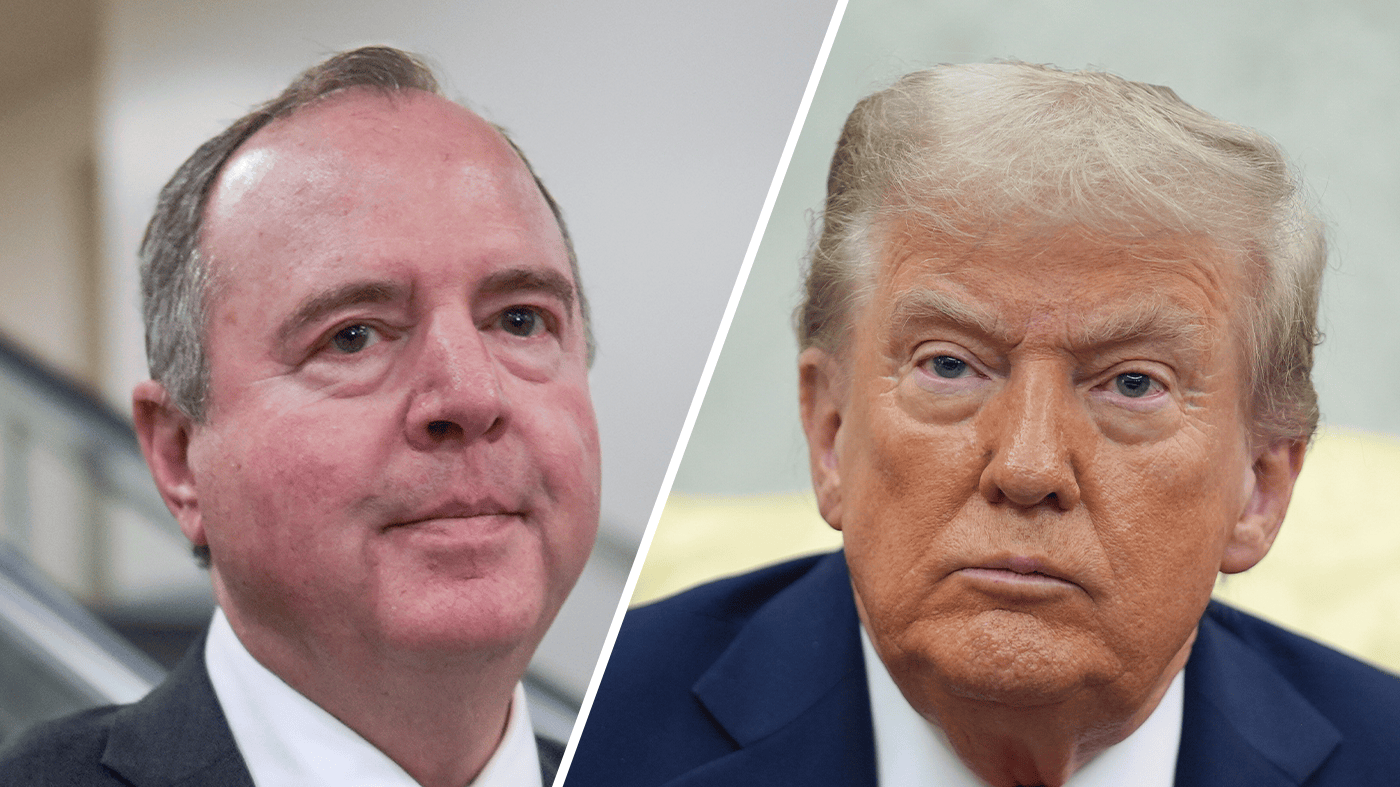
Trump listed a roster of Democratic and Republican senators he said he would work with on the legislation. Democrats include Adam Schiff of California, Raphael Warnock of Georgia, Alex Padilla of California, Mark Warner of Virginia, Chris Coons of Delaware, and Dick Durbin of Illinois. Republicans include Tim Scott of South Carolina, John Cornyn of Texas, Steve Daines of Montana, Bernie Moreno of Ohio, Tim Sheehy of Montana, Thom Tillis of North Carolina, and Katie Britt of Alabama.
In his social media post, Trump framed the issue as a matter of economic patriotism. "Everyone feels strongly about the Motion Picture and Television Industry — and so do I, and we all want to save it. It was MADE IN AMERICA, and must STAY IN AMERICA," he wrote. He added that the bill would have a major impact on blue-collar workers, saying "hundreds of thousands" of jobs would be positively affected.
The push comes amid stark industry data. Schiff, a leading champion of the bill, noted that 45% of all U.S. movies and TV shows were filmed internationally last year, up from about 33% four years earlier. Production data from ProdPro shows the U.S. accounted for just 38% of global film production in the first quarter of 2026, down from 52% in the same period four years ago.
Schiff has been vocal about the financial drain, holding an event this spring to highlight how tax credits abroad are drawing production dollars away from American studios and soundstages. Industry leaders have increasingly lobbied Congress to act, and a September report from the Motion Picture Association projected that a federal incentive program would double U.S. film and TV production by 2032. The report estimated the proposed 20% credit would create roughly 143,000 production jobs annually.
Trump insisted the incentives would pay for themselves, arguing that the cost would be recouped many times over through increased economic activity and tax revenue. "The amount of money spent on these Tax Incentives will be made up tenfold by the money pouring into the Treasury's coffers," he said. "Meetings are being set up, routinely, with the Leaders of both Parties in order to, GET THIS DONE!"
The president's willingness to work with Democrats on this issue follows a bruising midterm election in which Republicans lost at least eight Senate seats and dozens of House seats. Trump initially signaled openness to bipartisan deals, mentioning immigration reform as a possible area of agreement. However, his appointment of immigration hardliner Stephen Miller as chief of staff has raised doubts about his commitment to compromise.
Still, the film industry legislation offers a concrete test of whether Trump can deliver on his promise of bipartisanship. The bill's supporters argue that a federal incentive is essential to keep production jobs in the U.S. and prevent the industry's continued erosion to foreign competitors. As Trump's approval ratings sink and Republicans look toward the next election cycle, a legislative win on this front could provide a rare bipartisan achievement.
The measure has yet to receive a committee vote, but with Trump's endorsement and a bipartisan coalition behind it, advocates are hopeful it can advance in the lame-duck session or early next year. The post-midterm political landscape remains uncertain, but this issue appears to have carved out common ground.