Top Trump administration officials used Friday night's nationwide ground stop as a platform to press for a massive infusion of cash into the country's aging air traffic control infrastructure, accusing Congress of years of underinvestment that they say contributed to the disruption.
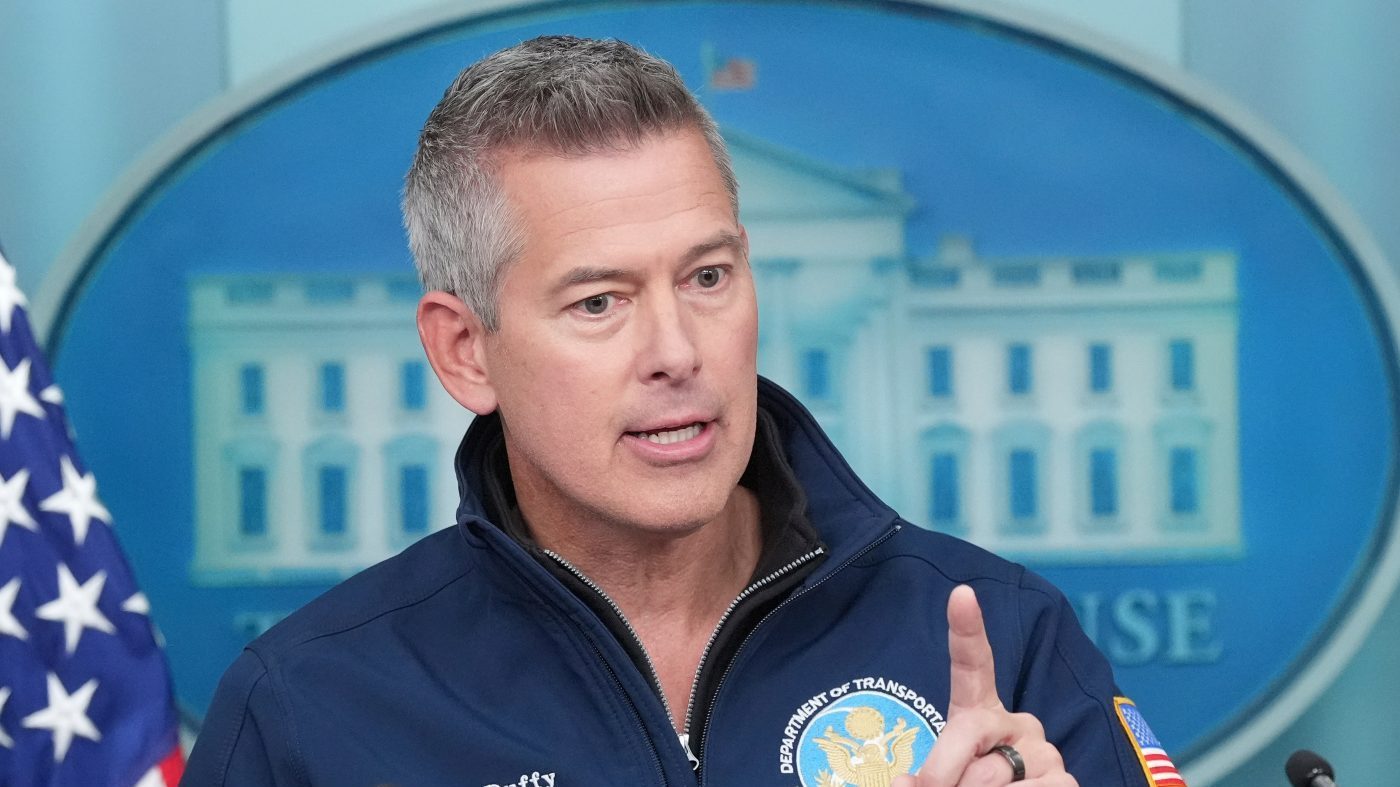
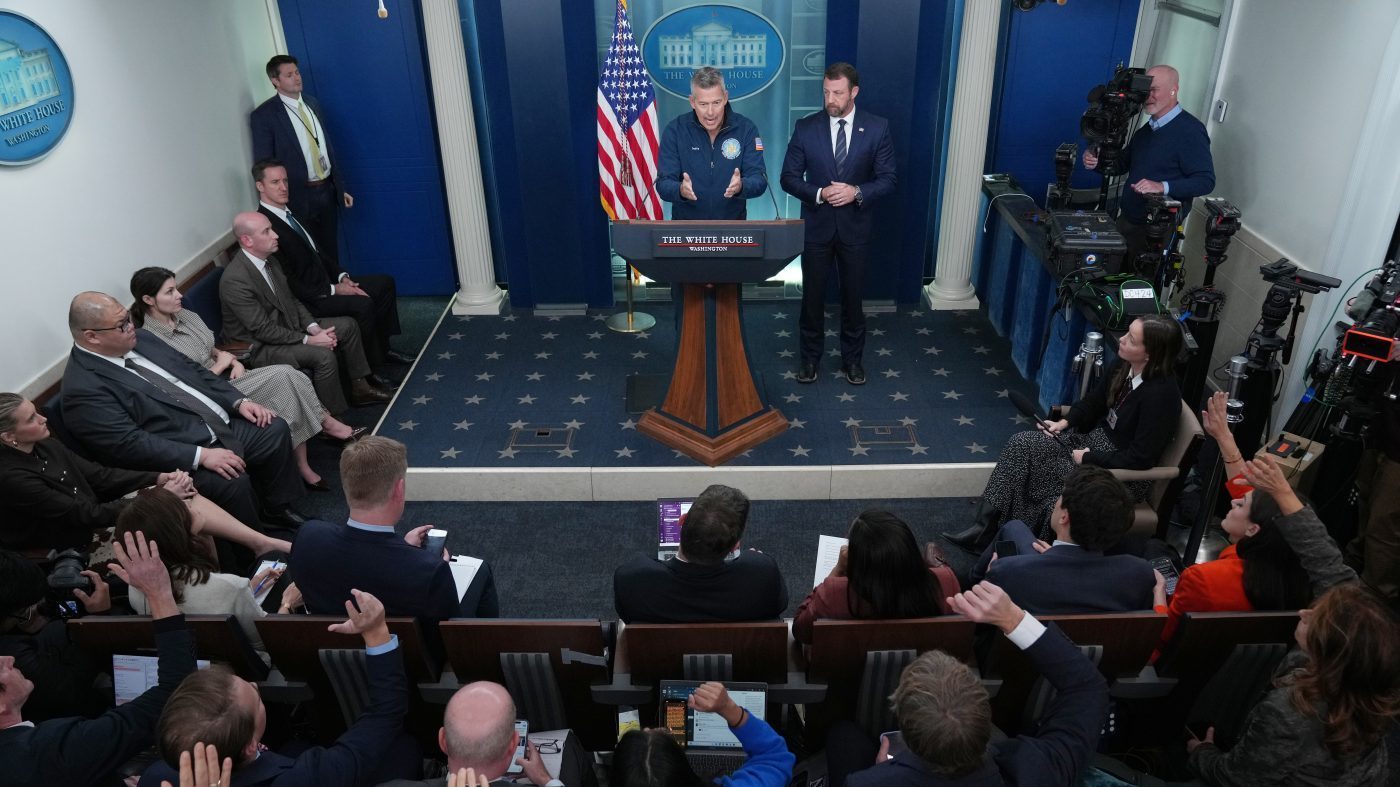
Transportation Secretary Sean Duffy, appearing alongside Homeland Security Secretary Markwayne Mullin at a briefing after the Federal Aviation Administration lifted the stoppage, did not mince words. "What we have is an incredibly old air traffic control system," Duffy said, arguing that a piecemeal approach is no longer viable. "Let's not do a patchwork, a fix to a system that's critical for every single family."
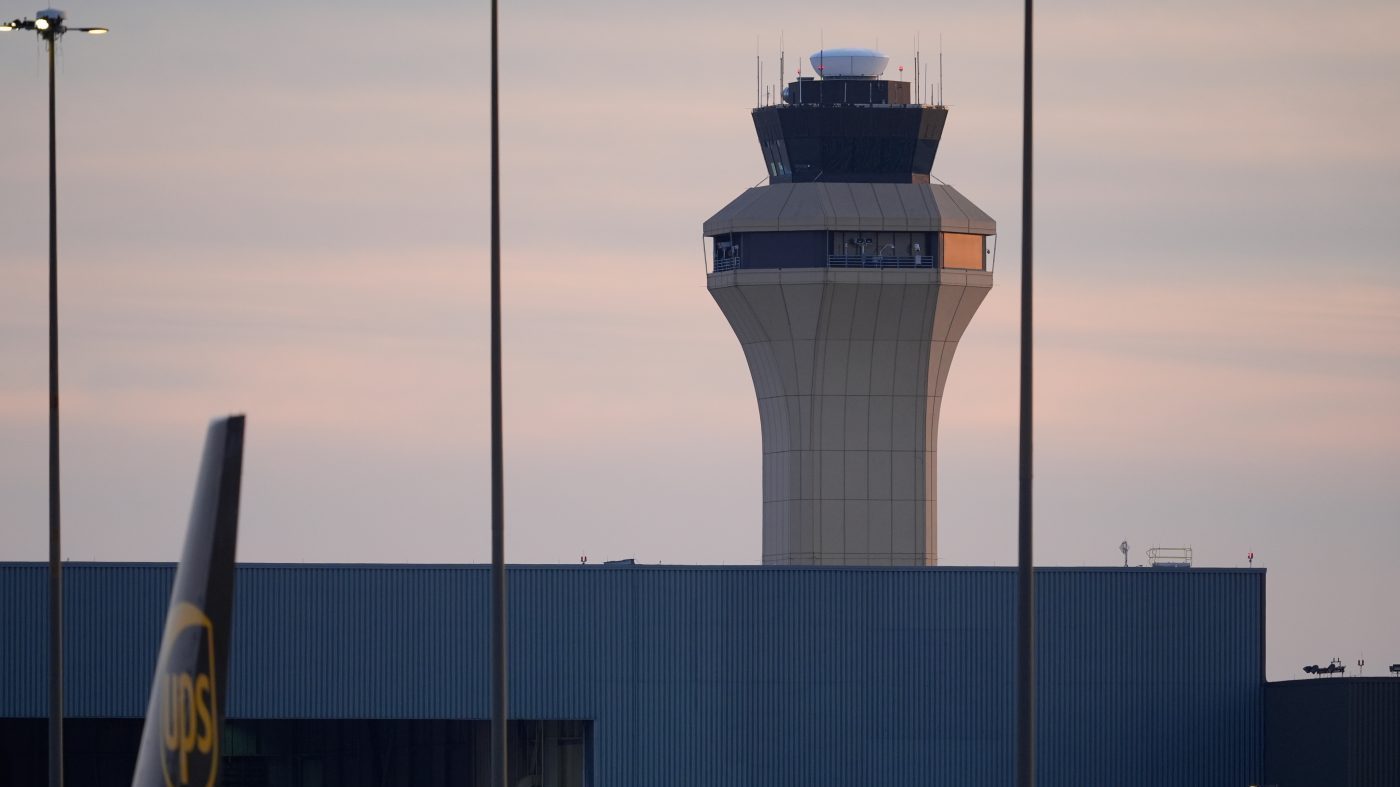
Duffy put a specific price tag on the fix: "I want $50 billion." He noted that President Trump had previously requested $30 billion, but Duffy believes that is insufficient. "Let's finish this job: new hardware, new software, new telecommunication," he said, calling for a comprehensive modernization effort.
The request echoes a September appeal to Congress for $30 billion to fund new technology, control towers, and airport improvements. That push coincided with the FAA's rollout of its Strategic Management of Airspace, Routes and Trajectories (SMART) program, an AI tool designed to help controllers anticipate congestion and reduce delays. Duffy's new number suggests the administration is doubling down on the scale of the investment needed.
The ground stop, which began around 4 p.m. EST Friday and lasted nearly four hours, was the most extensive since a contractor outage in 2023 caused a 90-minute halt. The last time the FAA grounded all flights before that was on September 11, 2001, in the wake of the terrorist attacks. The rarity of such a move underscores the severity of the system failure.
Duffy attributed the incident to a data overload on routers, which caused inconsistencies in the information being fed to air traffic controllers. "Our switches, our routers, actually got overloaded with data," he explained. "They started to give us inconsistency in the data from those ... routers. And because of that, we shut the system down."
Mullin sought to reassure the public, stating that "the public was never in danger in this process." He also said there is "zero evidence" of a cyber-attack, though federal authorities are continuing to investigate. The FAA lifted the ground stop at approximately 8:15 p.m., but Duffy cautioned that the return to normal operations would be gradual. "It's going to take us some time to unwind what's happened this afternoon," he said.
Mullin echoed Duffy's call for a complete overhaul, saying, "It has to be a complete overhaul of the system, which we estimate to be about $50 billion." Duffy framed the request as a direct challenge to lawmakers, suggesting that the American public would support the expenditure. "I think every member of Congress should say yes ... every American, I guarantee you, would tell those members, 'Yes, give President Trump — give Duffy the money. Let them finish this job so we don't have to do a press conference at 8:30 at night ever again,'" he said.