The Federal Aviation Administration's nationwide ground stop on Friday afternoon threw travel plans into chaos for multiple college football teams scheduled to fly to weekend games. The halt, which began around 4 p.m. EST and stretched into the evening, left players, coaches, and staff in limbo at airports across the country.
According to ESPN, affected teams include four schools from the Big 12 Conference: Baylor, Kansas State, Utah, and Arizona State. Three Big Ten programs—Minnesota, Purdue, and Washington—were also impacted, along with Ole Miss, Tennessee, and Texas. Additional teams such as Oregon State, Boise State, North Texas, and Wyoming had flights either grounded or canceled outright.
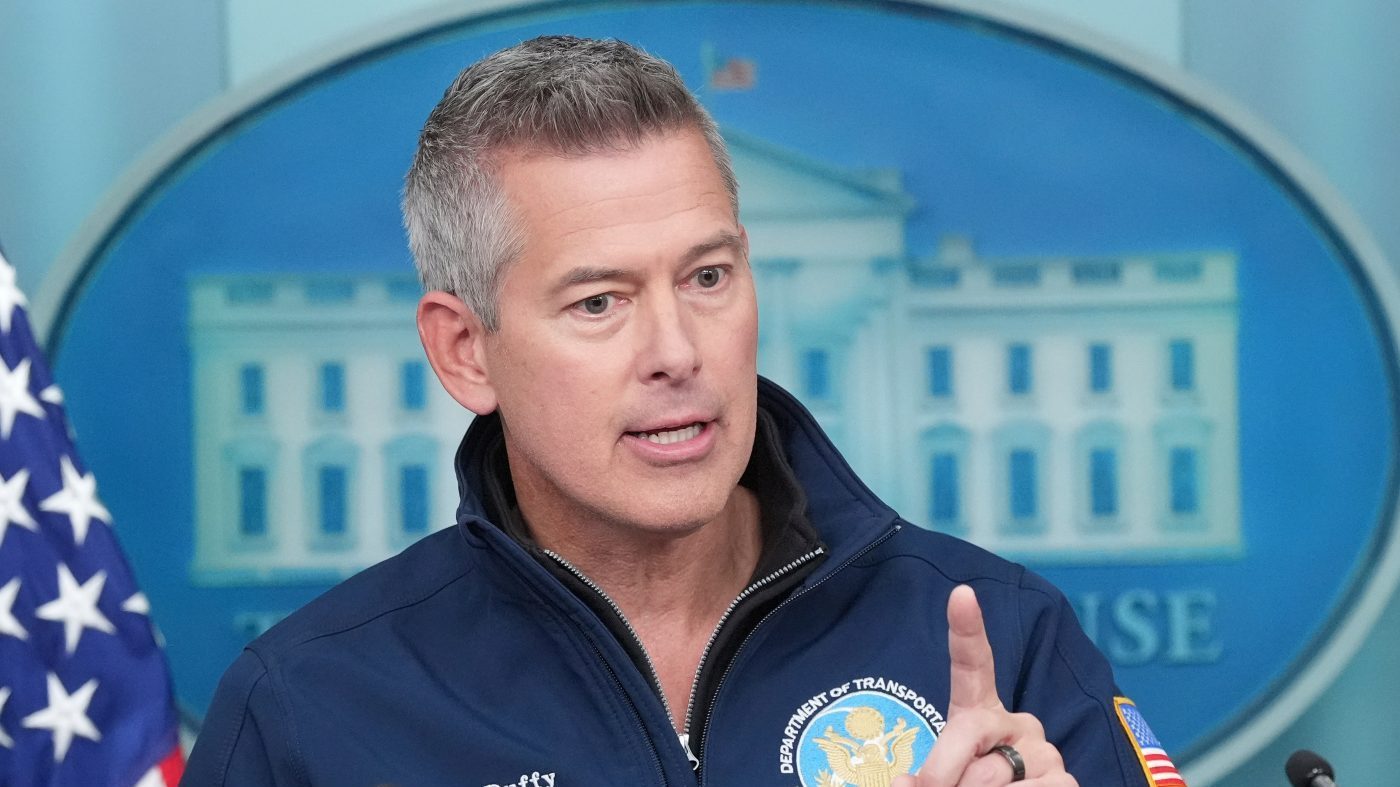
The ground stop was ordered after a communication issue affected all Air Route Traffic Control Centers, according to Transportation Secretary Sean Duffy. In a post on X at 4:16 p.m., Duffy stated that FAA technicians were investigating the problem. The agency later attributed the halt to “extraordinary circumstances” and “reasons of safety.”
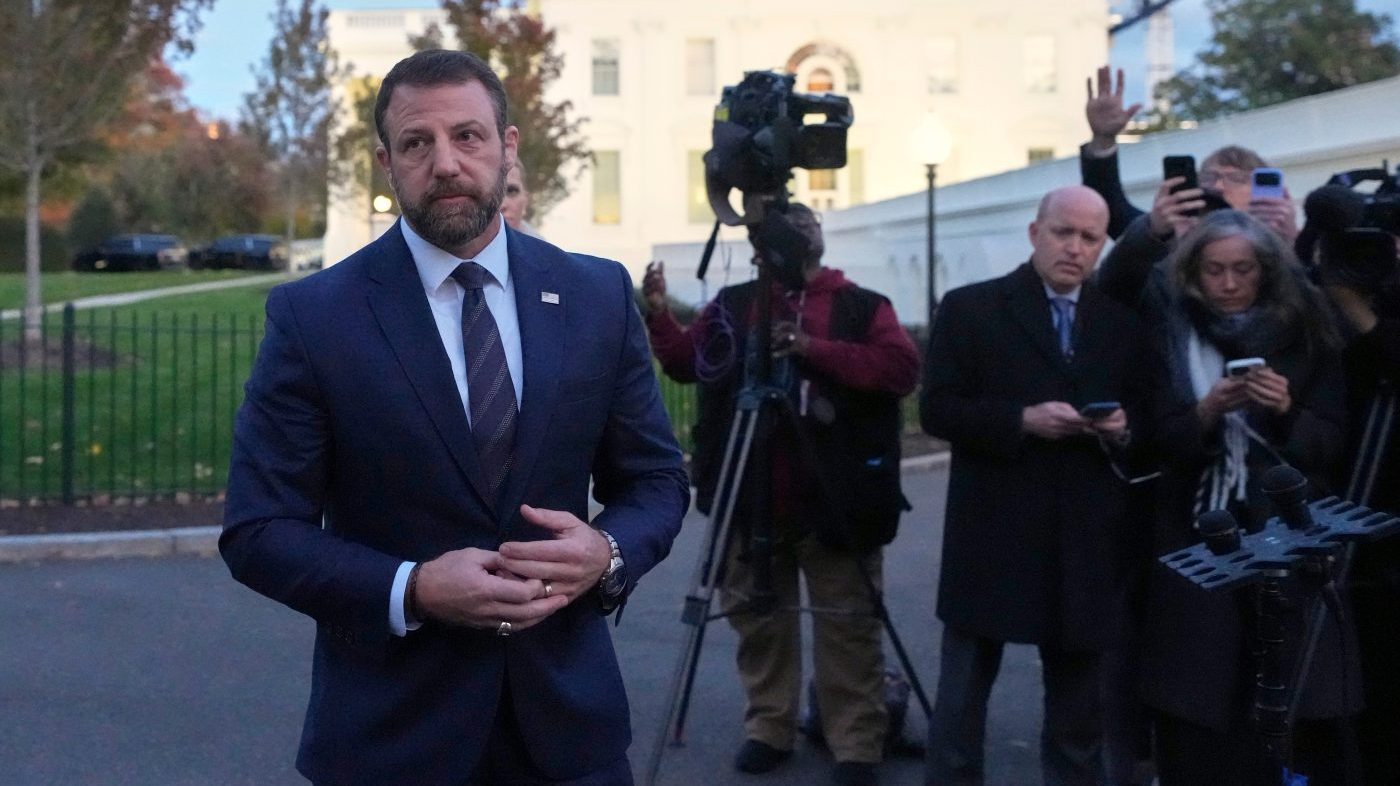
Homeland Security Secretary Markwayne Mullin told reporters there was no evidence of a “nefarious attack” on air travel infrastructure, though federal investigators continued to examine the cause. The FAA confirmed on social media that a temporary telecommunications outage had prompted the precautionary halt, adding that “every flight has been accounted for and international flights will be handled on a case by case basis.”
The disruption comes at a critical point in the college football season, with several teams facing long travel distances for conference matchups. The nationwide communication failure raised immediate questions about the resilience of the nation's aviation infrastructure, a topic that has drawn increasing political attention in recent months.
Lawmakers have already begun pressing for answers. Representative Garcia called the ground stop “disturbing” and demanded transparency from the FAA, while other members of Congress signaled plans to hold hearings. The incident also reignited debates over funding for air traffic control modernization, with some pointing to aging systems as a root cause.
For the affected teams, the travel delays could have competitive implications. Athletic departments scrambled to rearrange flights and bus charters, but some schools faced the prospect of arriving just hours before kickoff. The situation also underscores the broader vulnerabilities in the transportation network that can disrupt not only passengers but also major sporting events.
As the FAA works to resolve the communication issue, the political fallout is likely to intensify. The demands for transparency from Capitol Hill echo previous clashes over aviation oversight, and the incident may fuel further scrutiny of the agency's operations. Meanwhile, college sports officials are bracing for potential schedule disruptions as the investigation continues.
In the meantime, teams are doing their best to adapt. Some have booked alternative travel, while others remain stranded, waiting for the FAA to lift the ground stop. The full impact on this weekend's games remains unclear, but the episode has already become a flashpoint in the ongoing debate over infrastructure reliability and government accountability.