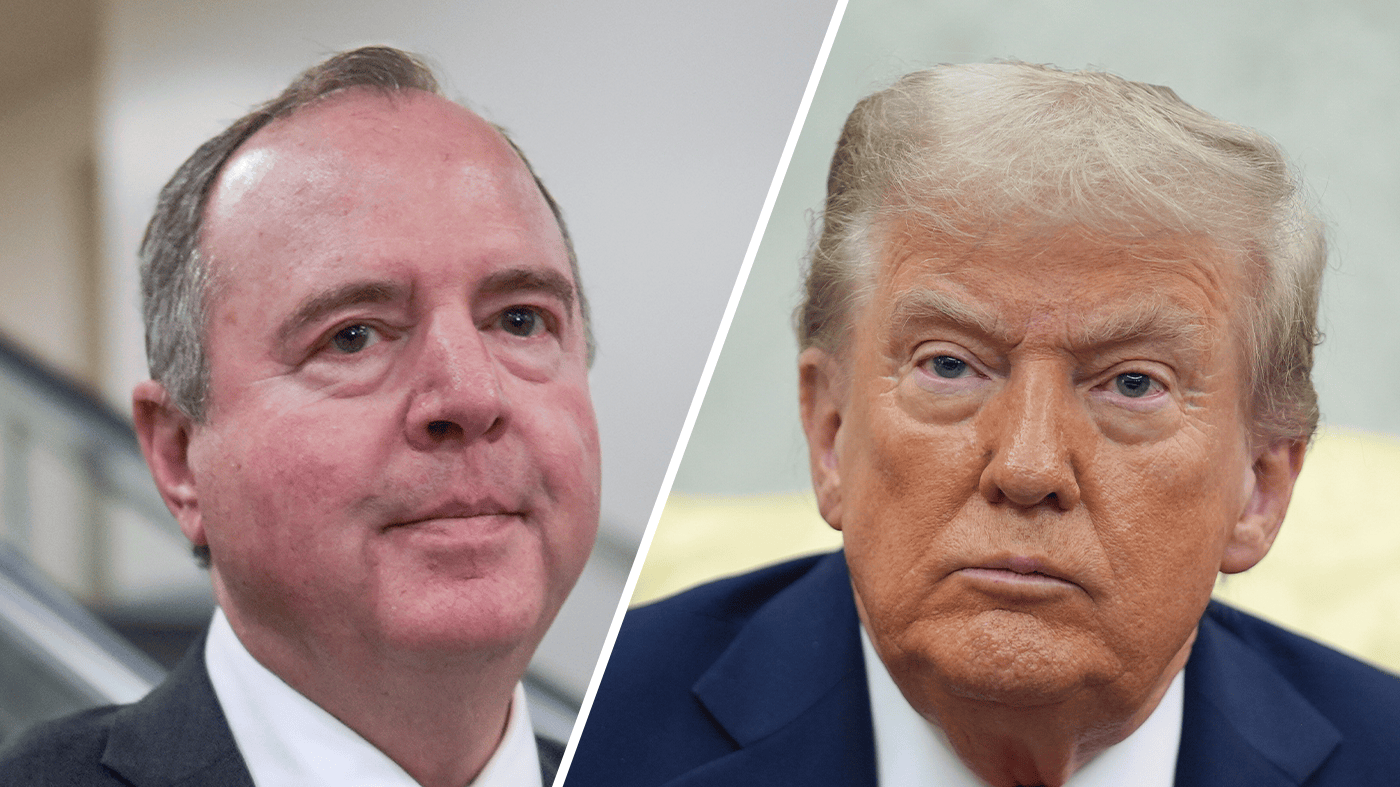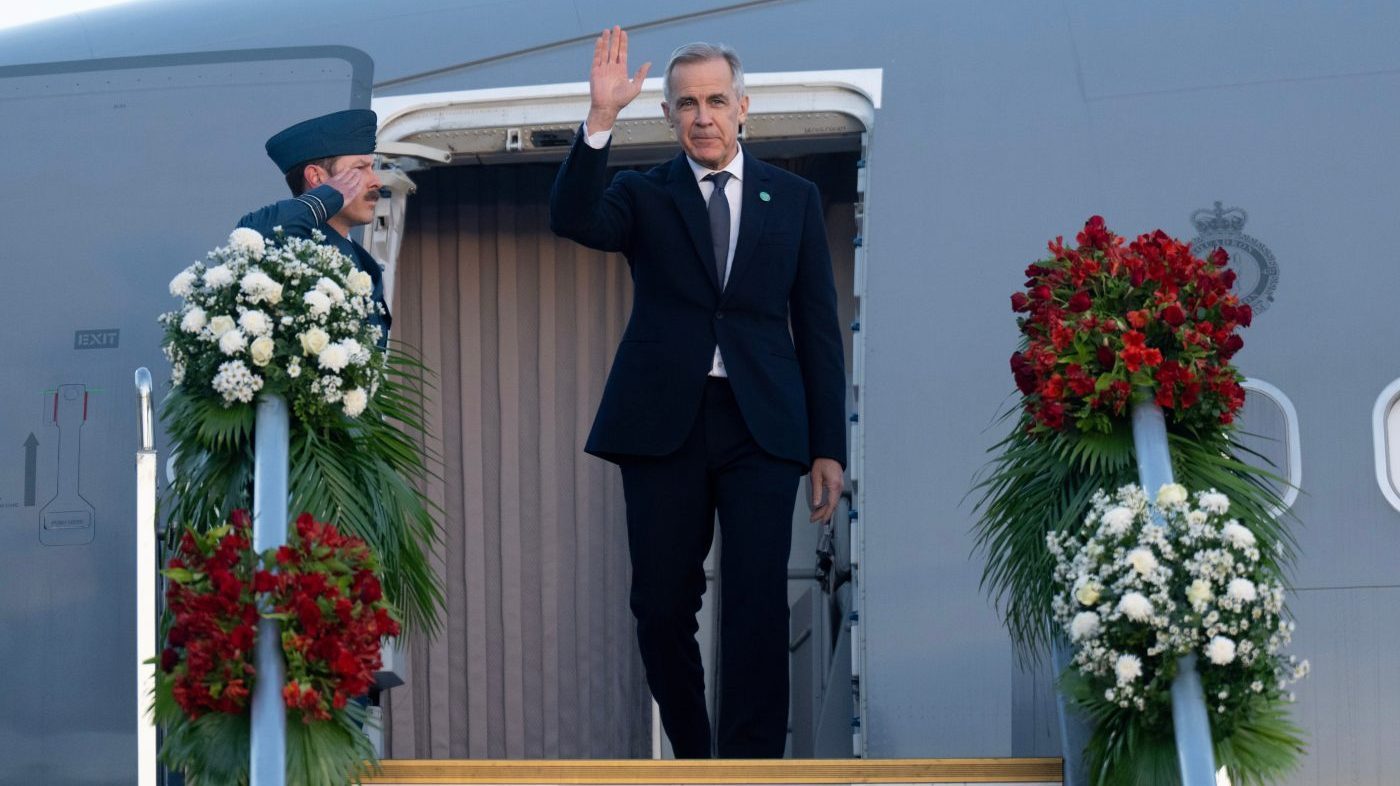
Canadian Prime Minister Mark Carney said Saturday that negotiations with the United States over a possible trade deal are advancing, even as a punishing tariff war between the two allies grinds on. Speaking to reporters in Manila, Carney revealed he had held a conversation with President Donald Trump, U.S. Trade Representative Jamieson Greer, White House chief of staff Stephen Miller, and other senior officials just before departing for the ASEAN summit.
“We are making progress,” Carney said, striking a cautiously optimistic tone. However, he quickly added a firm caveat: he will not “settle for a deal” that fails to protect the viability of Canada’s automotive manufacturing sector. “This is one of the fundamental issues in our trade negotiation,” he said, underscoring the centrality of auto industry concerns to any final agreement.
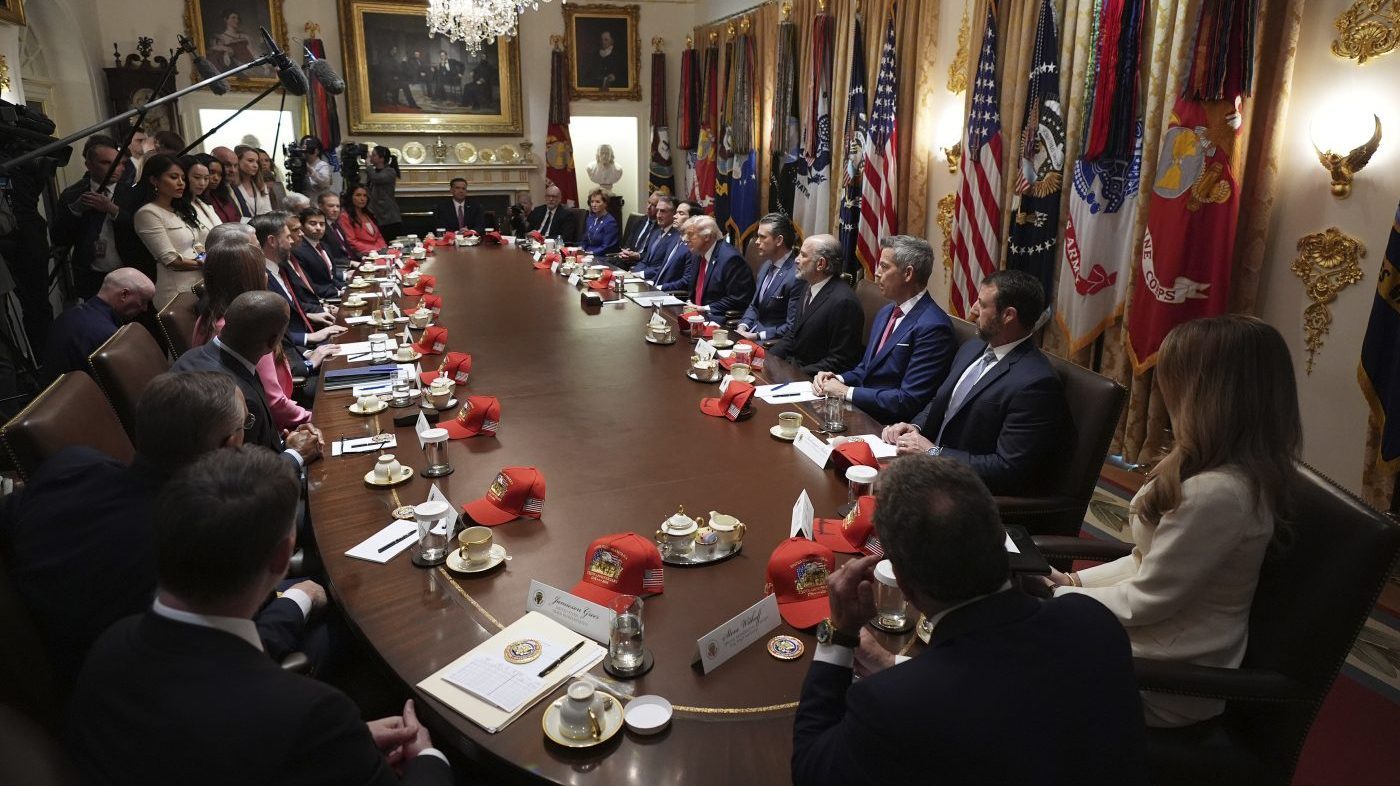
The talks come after a dramatic rupture in August, when Ottawa walked away from the negotiating table, citing what Carney described as eleventh-hour demands from the Trump administration that were unacceptable. Washington responded by slapping 50 percent tariffs on $20 billion worth of Canadian exports, prompting Canada to retaliate with matching duties “dollar for dollar.”
In his Saturday remarks, Carney stressed the deep integration of the North American auto industry, arguing that American carmakers rely heavily on Canadian supply chains. “This is one of the most challenging issues in the trade negotiations,” he said. “As I say, we’re making progress. We’re not there yet.”
The Canadian leader’s comments came ahead of the three-day ASEAN summit in Manila, where Trump is also expected to appear. Carney used the press conference to announce two new deals with ASEAN and the Philippines, part of a broader strategy to reduce Canada’s trade dependence on the United States. “Today’s announcements are part of a strategy of developing a dense web of reliable partners to create more opportunities for our businesses, more choice for Canadians, better jobs for our workers, and reducing our relative reliance on the United States,” he said.
Carney described his pre-trip conversation with Trump as “long” and “substantive,” and acknowledged that a bilateral deal is possible. “There is a possibility of a deal, a bilateral deal, but we’re not yet there,” he said.
The prime minister also touted progress on diversifying Canada’s export markets, saying his government is “ahead of schedule” on its goal to double non-U.S. exports within a decade. He noted that nearly one in three Canadian export dollars now comes from outside the United States, a 40-year high. That shift reflects a deliberate push to cushion the economy against the volatility of U.S. trade policy under Trump.
Still, the path to a comprehensive agreement remains fraught. The auto sector is a core sticking point, and Carney’s insistence on protecting Canadian manufacturing suggests that any deal will require significant concessions from Washington. With Trump’s unpredictable negotiating style and the recent history of breakdowns, the next few weeks will be critical in determining whether the two countries can bridge their differences or remain locked in a costly trade conflict.