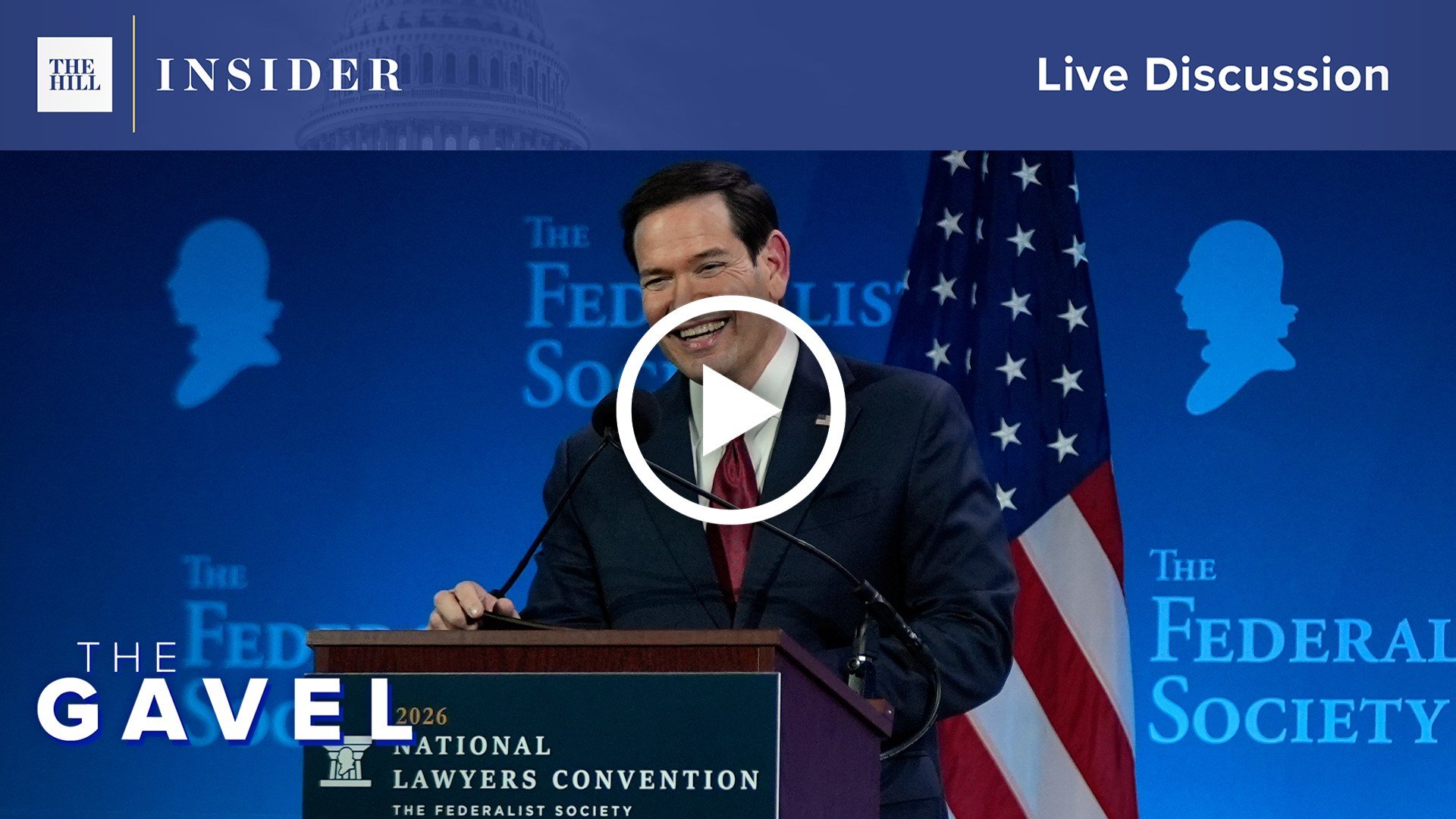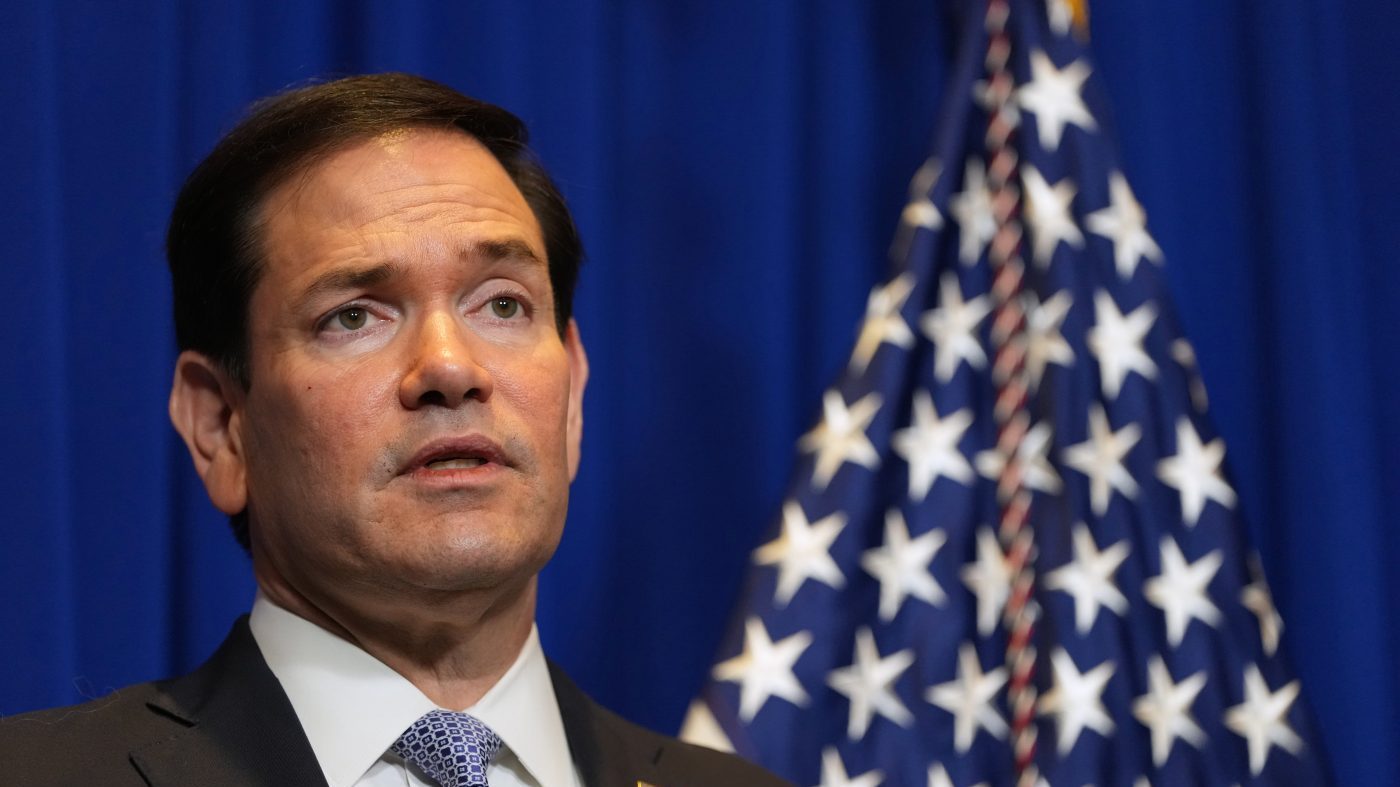
Secretary of State Marco Rubio on Tuesday pushed back against speculation that a recent spate of technology outages are connected, saying there is “zero evidence” to support such claims. Speaking to reporters in the Philippines, Rubio emphasized that the incidents—ranging from a Microsoft outage to a Federal Aviation Administration (FAA) ground stop and banking disruptions—appear to be unrelated.
“The first thing I want to make very clear is that we have zero evidence whatsoever, we have no indication, no evidence and no reason to believe at all that any of these incidents are related to each other,” Rubio said. He elaborated that “the Microsoft incident has nothing to do with what we saw with the FAA; the FAA has nothing to do with what we saw with the banks a few days ago.” The secretary stressed that from a technical standpoint, the issues are “completely unrelated one from another.”
Rubio’s remarks come as the Trump administration faces mounting questions over a series of high-profile tech failures that have disrupted air travel, financial services, and other critical infrastructure. While some lawmakers and cybersecurity experts have suggested a possible coordinated attack or systemic vulnerability, the administration has largely sought to calm public concern.
DHS chief floats AI as culprit
Department of Homeland Security (DHS) Secretary Markwayne Mullin offered a different theory, attributing the outages to the rapid deployment of artificial intelligence—which the administration has rebranded as “super intelligence” (SI). In a Fox News interview, Mullin said he had spoken with an unidentified tech industry expert who believes the problems stem from AI systems operating faster than legacy infrastructure can handle.
“These programs aren’t designed to work as fast as SI is,” Mullin said. He compared the situation to “doing a change order on a house,” where altering one element triggers a cascade of unintended changes. “When you change one thing in a house, everything else starts changing, that’s a ripple effect. And it causes a system to be overran that weren’t designed to run as fast as the SI technology is today.”
Mullin’s comments align with concerns raised by Senator Mark Warner that AI could be driving a wave of system outages. However, Rubio’s categorical denial appears to contradict that narrative, leaving the administration’s messaging somewhat fragmented.
White House downplays crisis
President Trump and Vice President Vance have both sought to minimize the significance of the outages. Trump, in a recent appearance, shrugged off the disruptions, saying “It’s fine,” while Vance advised Americans not to stockpile supplies. Press Secretary Karoline Leavitt has also urged the public to “calm the temperature” amid the speculation.
Despite the administration’s reassurances, GOP lawmakers are demanding answers as conspiracy theories gain traction online. The outages have also affected Apple services, adding to the perception of a broader systemic issue.
Rubio’s firm denial is notable given his typically cautious diplomatic tone. He reiterated, “That is what we have seen. That’s what all the evidence indicates.” Whether that evidence will hold up under further scrutiny remains to be seen, but for now, the administration is sticking to its position that the outages are coincidental.
As the investigation continues, the tech industry and policymakers are watching closely. The next few weeks could reveal whether Rubio’s assessment is accurate or whether deeper vulnerabilities exist.