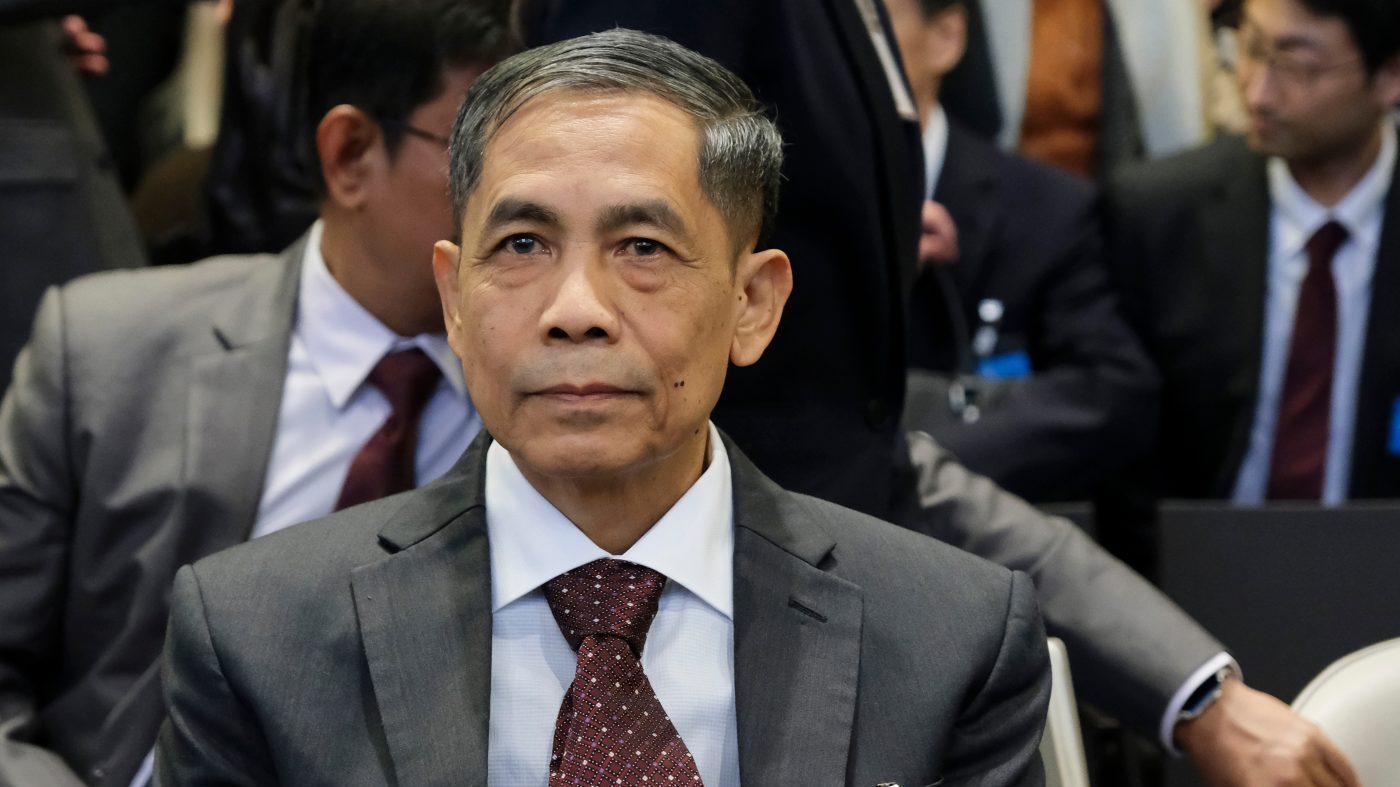
The International Court of Justice (ICJ) has issued a landmark ruling, finding that Myanmar violated the 1948 Genocide Convention through its brutal crackdown on the Rohingya Muslim minority in 2017. The decision, handed down on Thursday, marks the first time the UN's highest court has held a state directly responsible for genocide.
The court, based in The Hague, determined that Myanmar's military, police, and border guards were responsible for the deaths of around 10,000 Rohingya civilians during what the government euphemistically called "clearance operations." These operations involved mass shootings, sexual violence, and arson, driving more than 810,000 Rohingya across the border into Bangladesh as refugees.
In its ruling, the ICJ found that Myanmar breached its obligations to prevent the destruction of evidence related to the genocide allegations and to punish those who committed acts of genocide. However, the court stopped short of finding that Myanmar directly and publicly incited private individuals to commit genocide against the Rohingya in northern Rakhine State.
The court has ordered Myanmar to immediately cease all ongoing violations, launch investigations into all suspected perpetrators, ensure that genocidal acts do not recur, and adopt measures to provide restitution to the Rohingya. Myanmar has been given two years to report back on its restitution efforts.
ICJ President Yuji Iwasawa announced that nine judges voted in favor of the ruling, while six dissented, according to The Wall Street Journal.
The case was brought by Gambia, a predominantly Muslim nation, in 2017, and the ruling comes seven years later. This is only the fourth time the ICJ has found a country met the legal threshold for genocide since the Holocaust, and the first time a state has been held responsible, Reuters reported.
Myanmar, which is currently embroiled in a civil war, has consistently denied the genocide accusations.
The ruling arrives amid growing scrutiny of international law, particularly following South Africa's genocide case against Israel over its military campaign in Gaza. The ICJ ordered Israel in May 2024 to halt its offensive, but Israeli Prime Minister Benjamin Netanyahu vowed to continue until "complete victory" over Hamas. Israeli officials have rejected the genocide claim, and the late Sen. Lindsey Graham (R-S.C.) infamously told the world court to "go to hell."
The ICJ's enforcement powers are limited. Russia ignored a 2022 ruling to stop its invasion of Ukraine, and the U.S. refused to comply with the court's 1986 decision to pay reparations to Nicaragua.
This ruling is a significant legal victory for the Rohingya and for international accountability, but its practical impact remains uncertain given Myanmar's ongoing conflict and the court's lack of enforcement mechanisms. The international community will be watching closely to see if Myanmar complies with the court's orders.